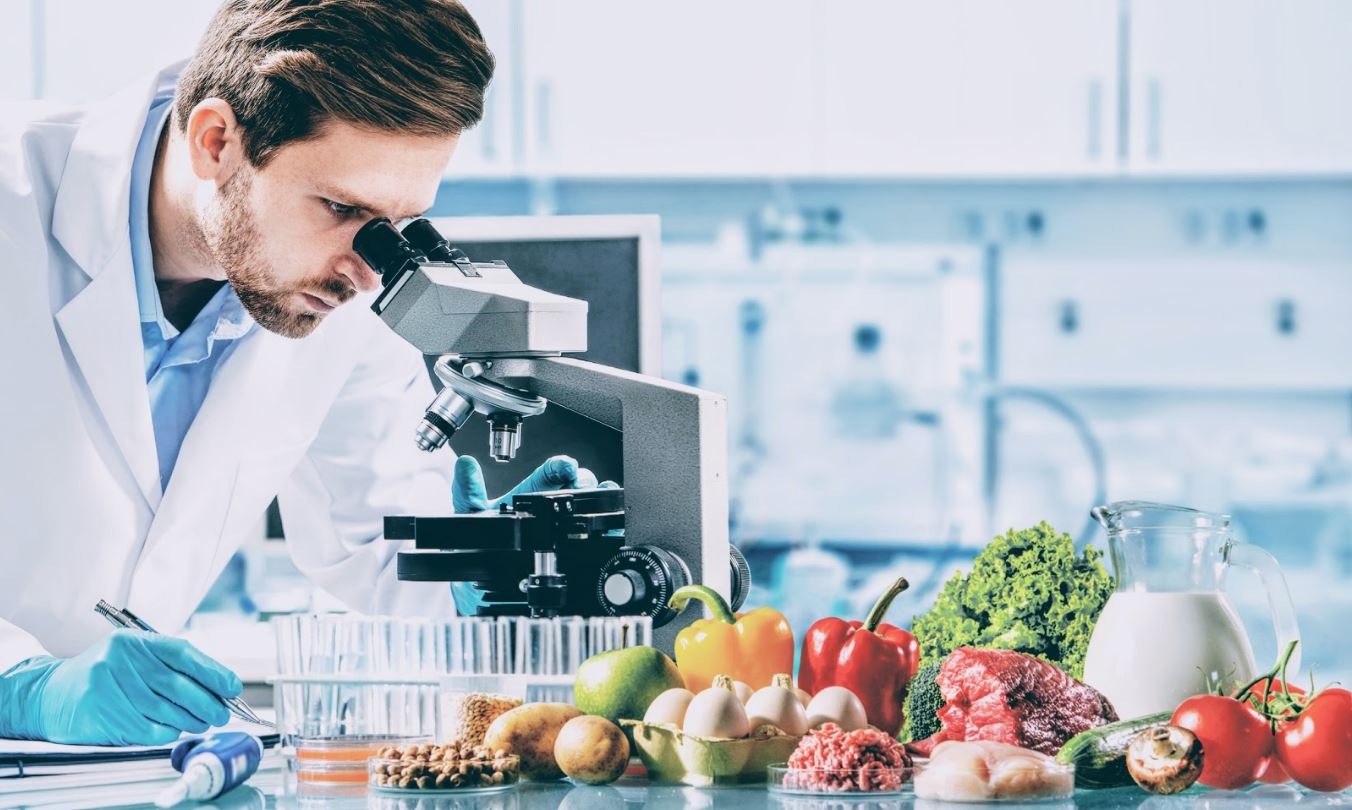
How Molecular Design Shapes What We Taste, Feel, and Remember
Every taste we enjoy begins long before it reaches our tongue. Deep inside the structure of food, atoms bind and release energy in ways that determine....
Read More

Every taste we enjoy begins long before it reaches our tongue. Deep inside the structure of food, atoms bind and release energy in ways that determine....
Read More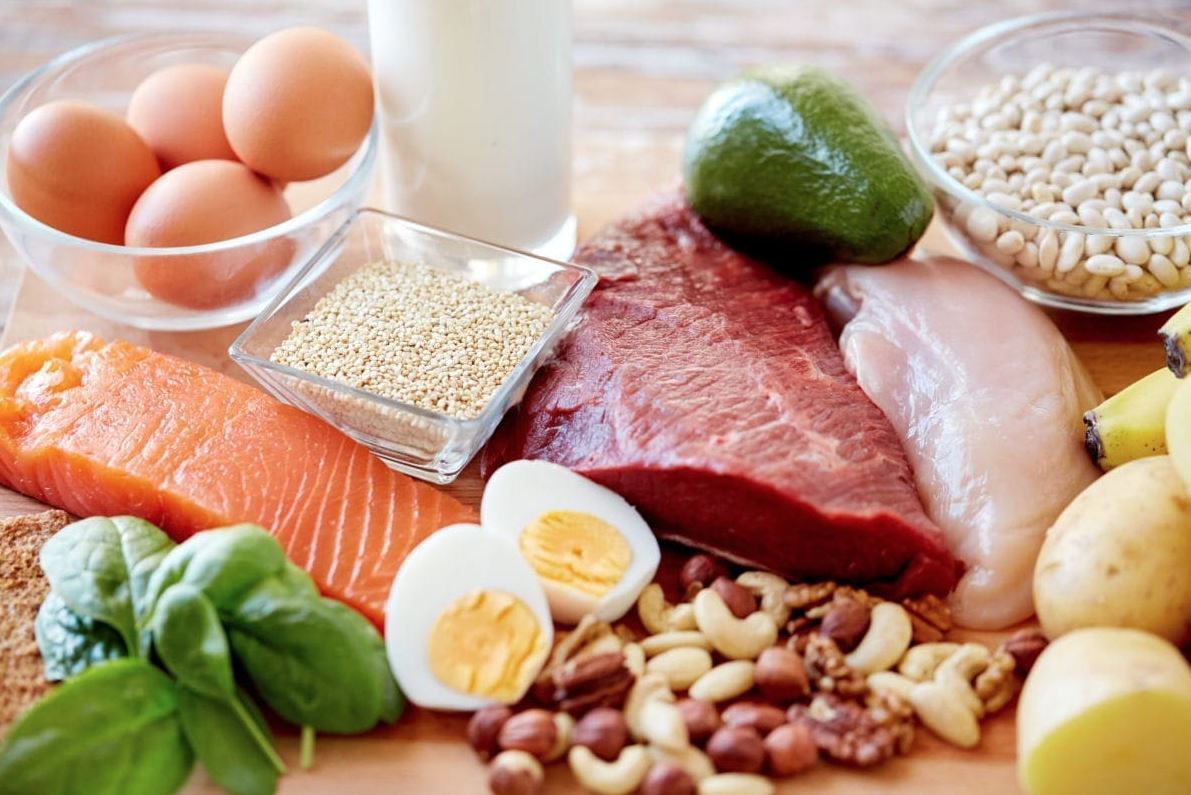
Nutrition begins as a simple act of consumption but unfolds as an intricate biological process that fuels every cell of the human body. Each bite initiates....
Read More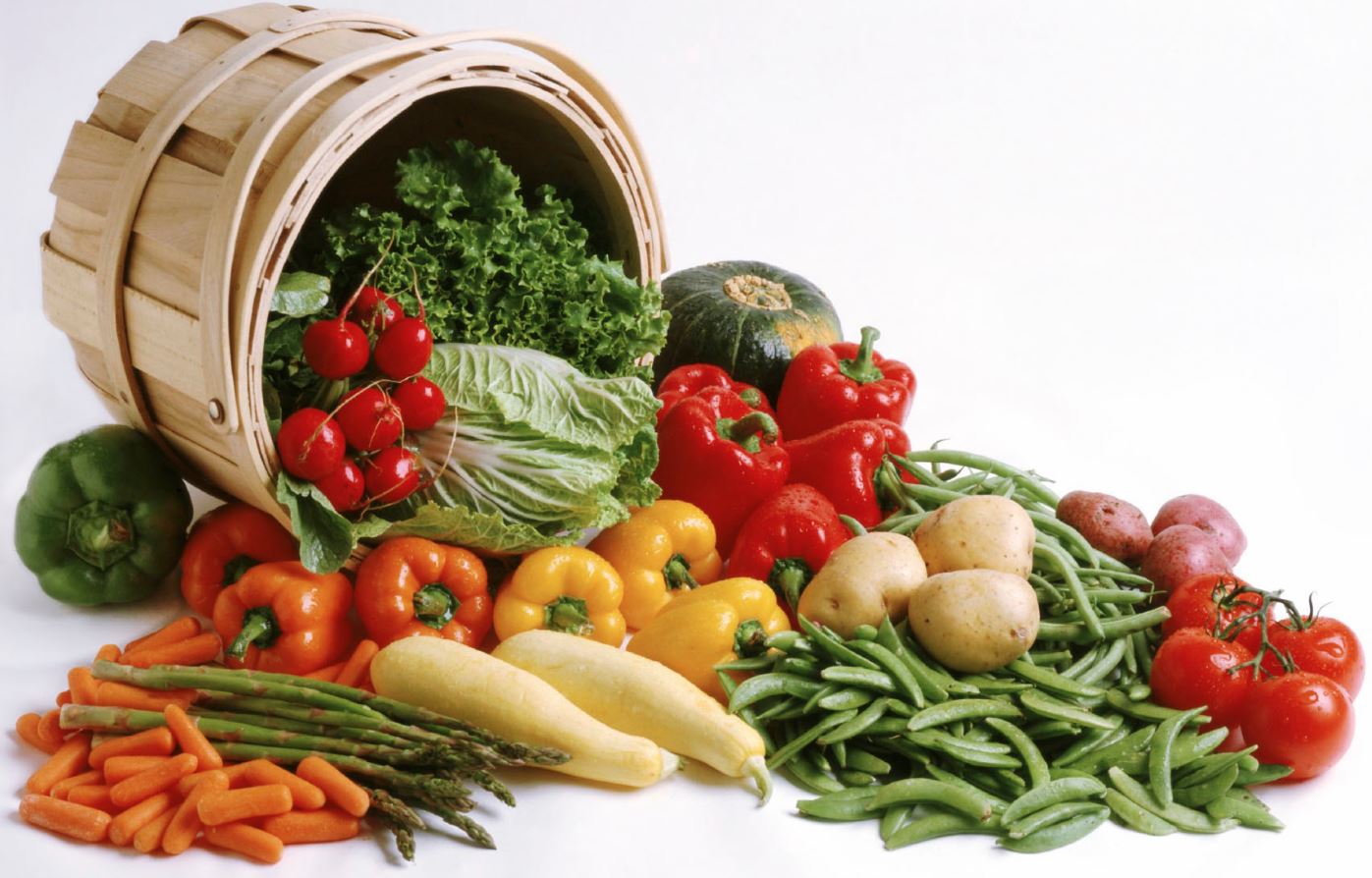
Sustainability in food begins where roots breathe and microbes trade nutrients for carbon. Healthy soil behaves like a living sponge, it absorbs storms, resists....
Read More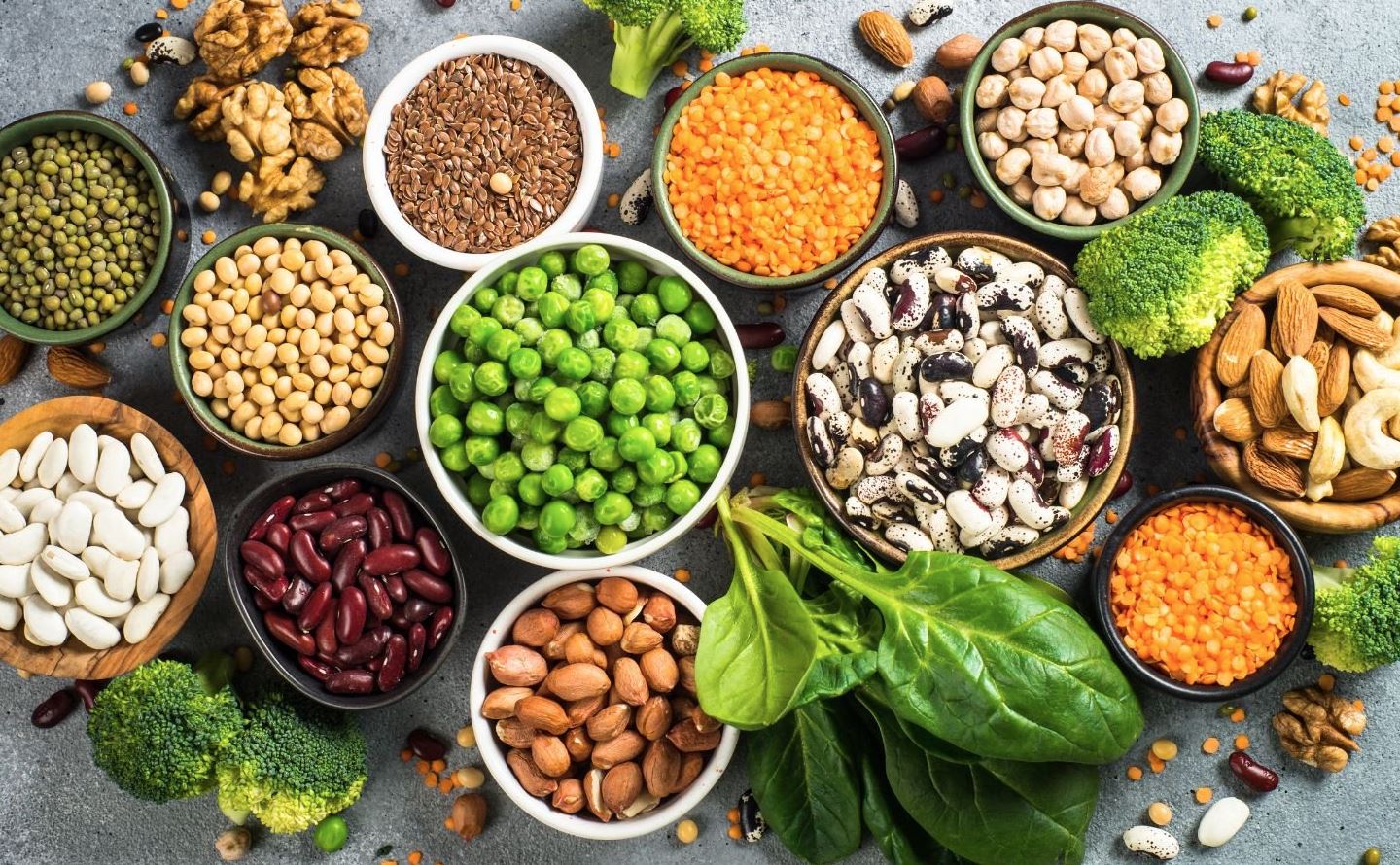
Across kitchens and laboratories the idea of protein has expanded beyond familiar animal sources toward seeds, pulses, and grains that carry abundant amino acids....
Read More
Cellular agriculture begins with a simple idea, grow the parts we eat rather than the whole animal. Scientists isolate stem cells or progenitor cells from a healthy....
Read More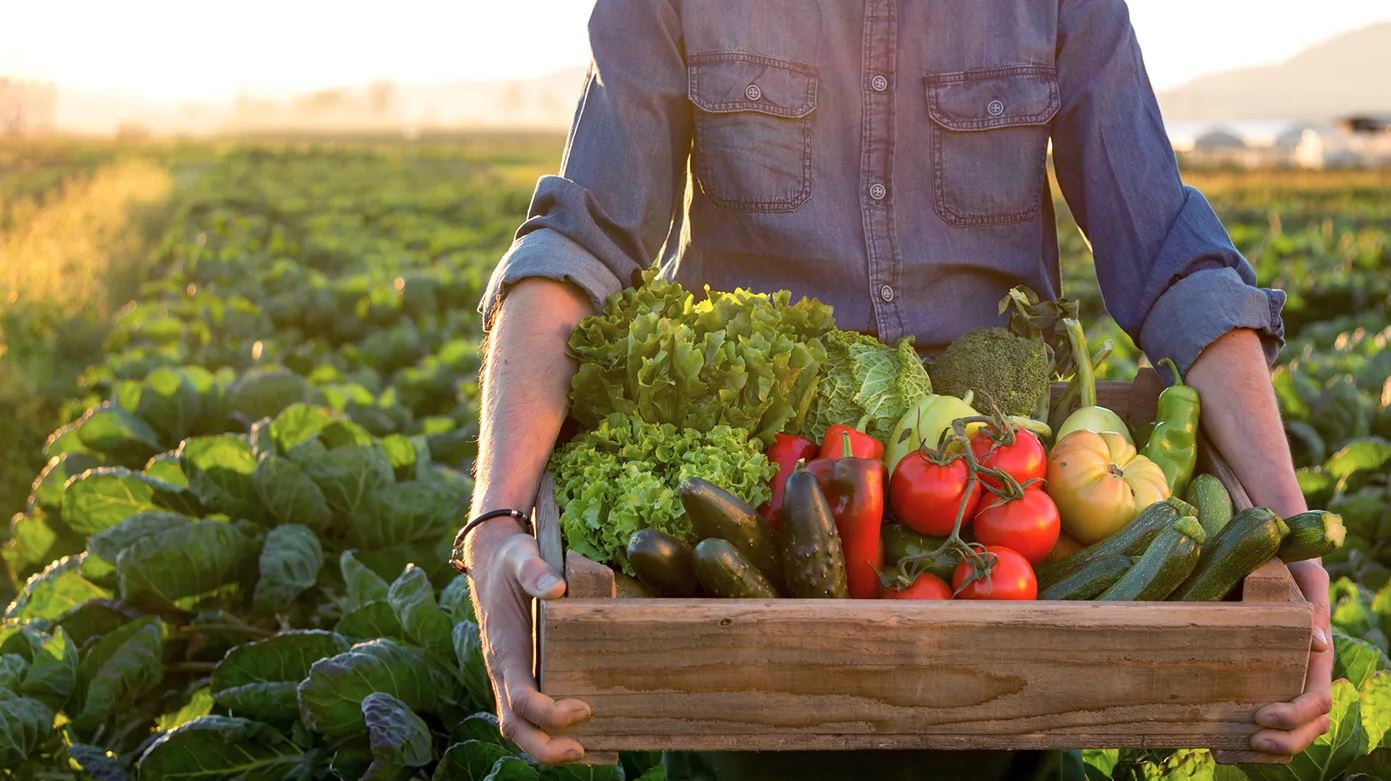
Regeneration begins with observation, not with heavy machinery. A farmer walks a field after rain and studies where puddles linger, where earthworms rise, and where....
Read More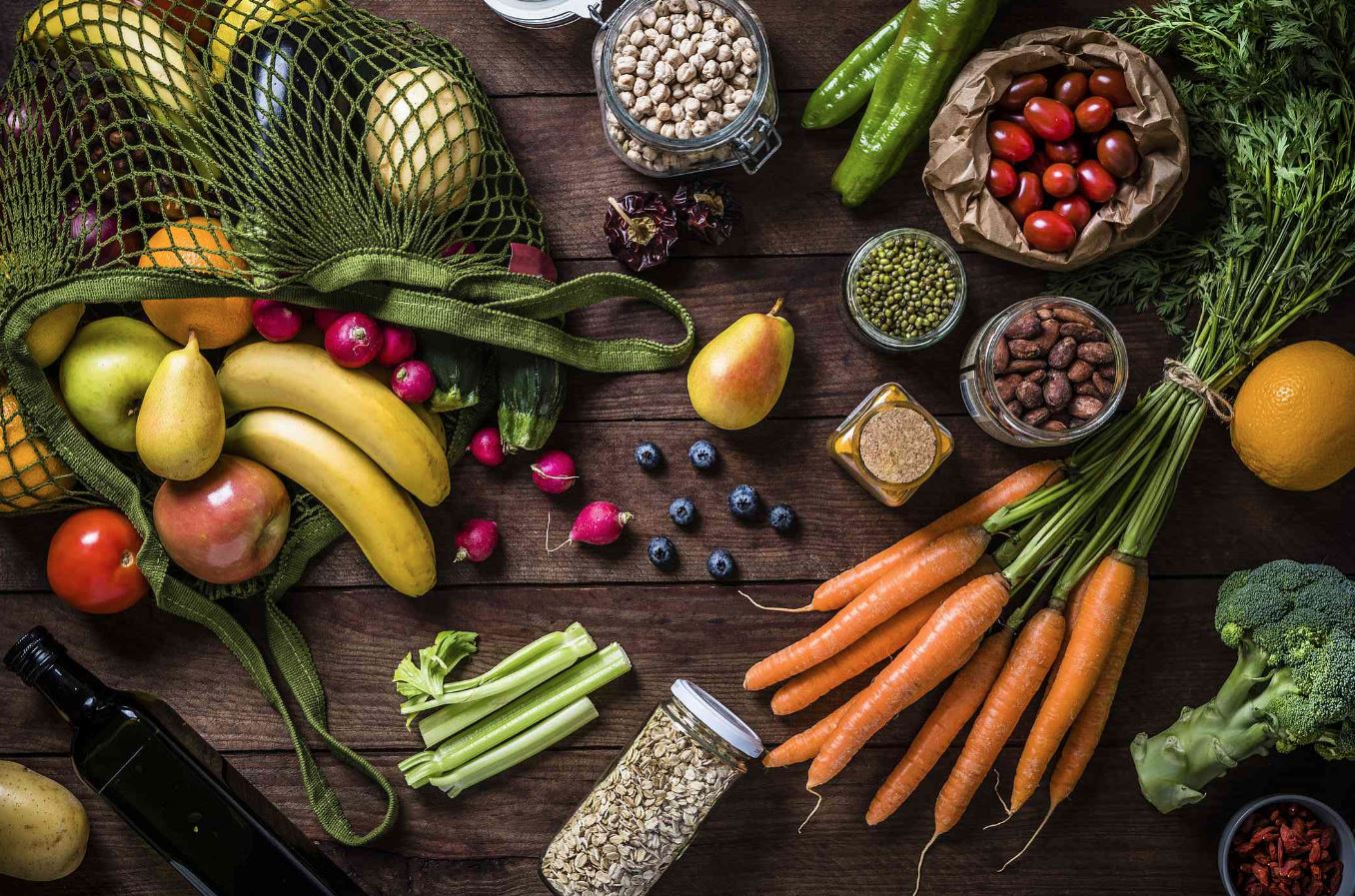
A functional food does more than satisfy appetite, it delivers clinically relevant effects that support systems such as immunity, cognition, metabolism, or cardiovascular....
Read More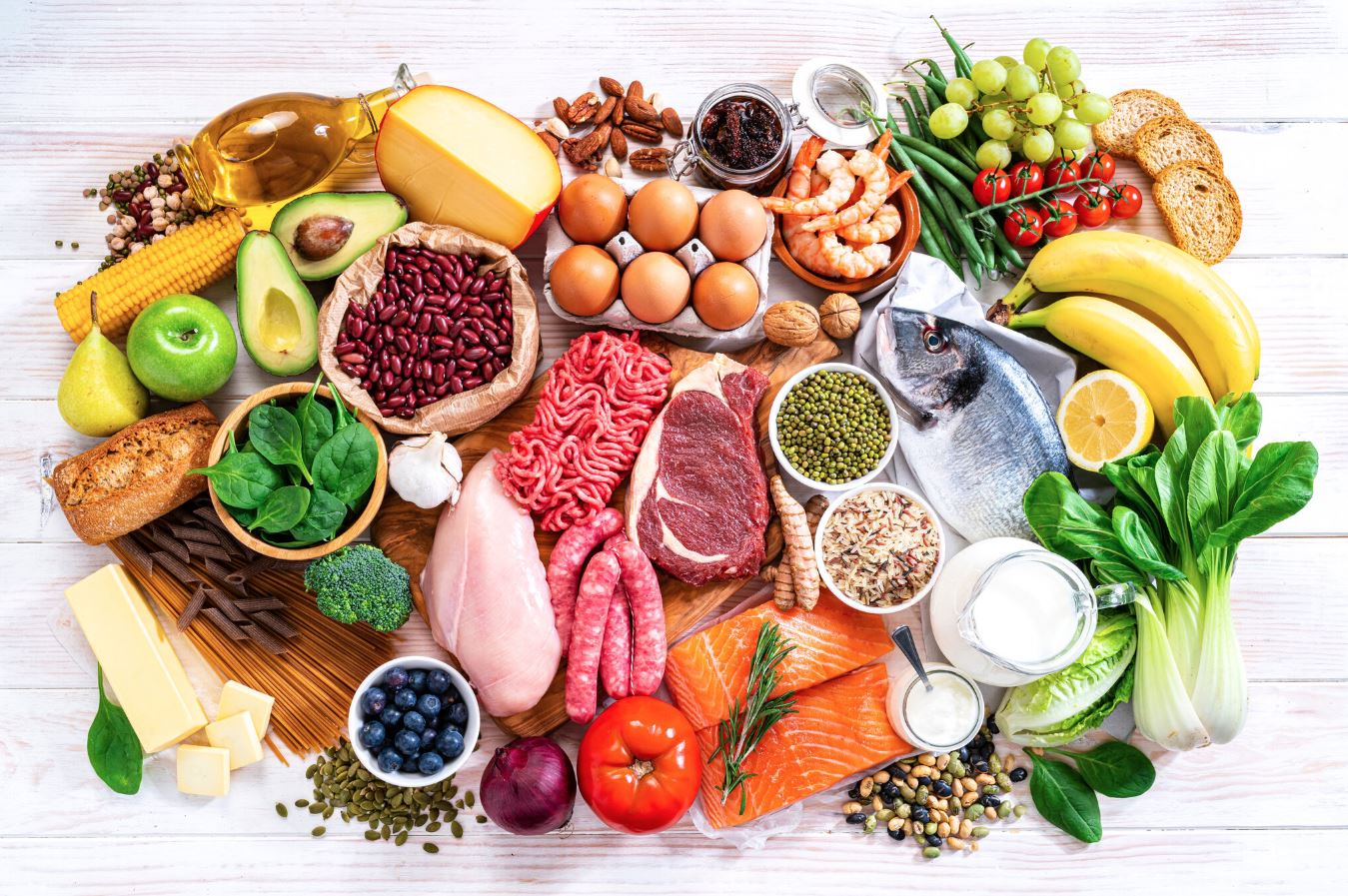
Inside the digestive tract lives a crowded city of bacteria, archaea, yeasts, and viruses that help transform meals into signals the body can understand. This community....
Read More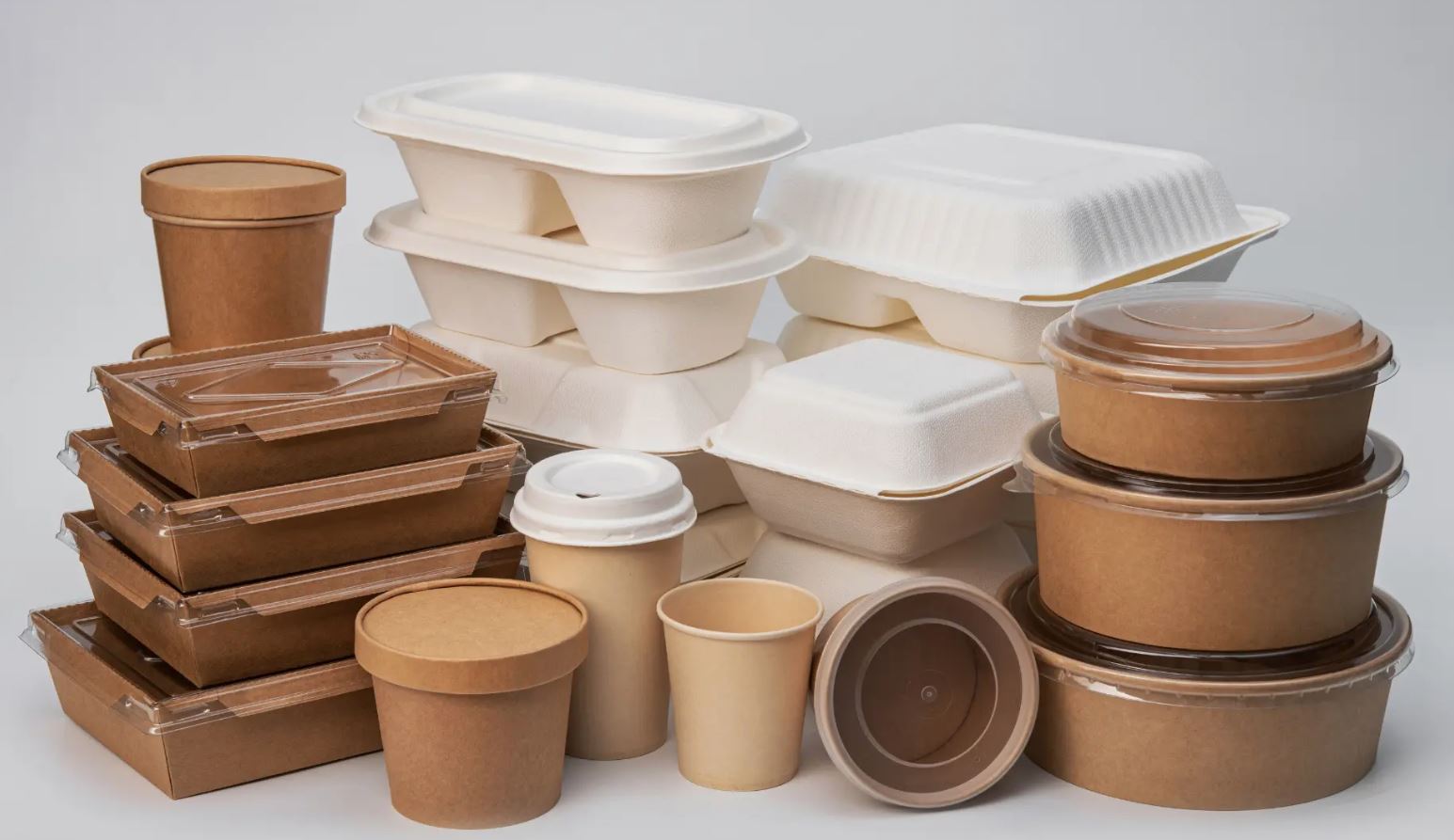
Packaging guards flavor, blocks oxygen and light, and keeps products safe from farm to table, yet it also carries a footprint that stretches from raw material extraction....
Read More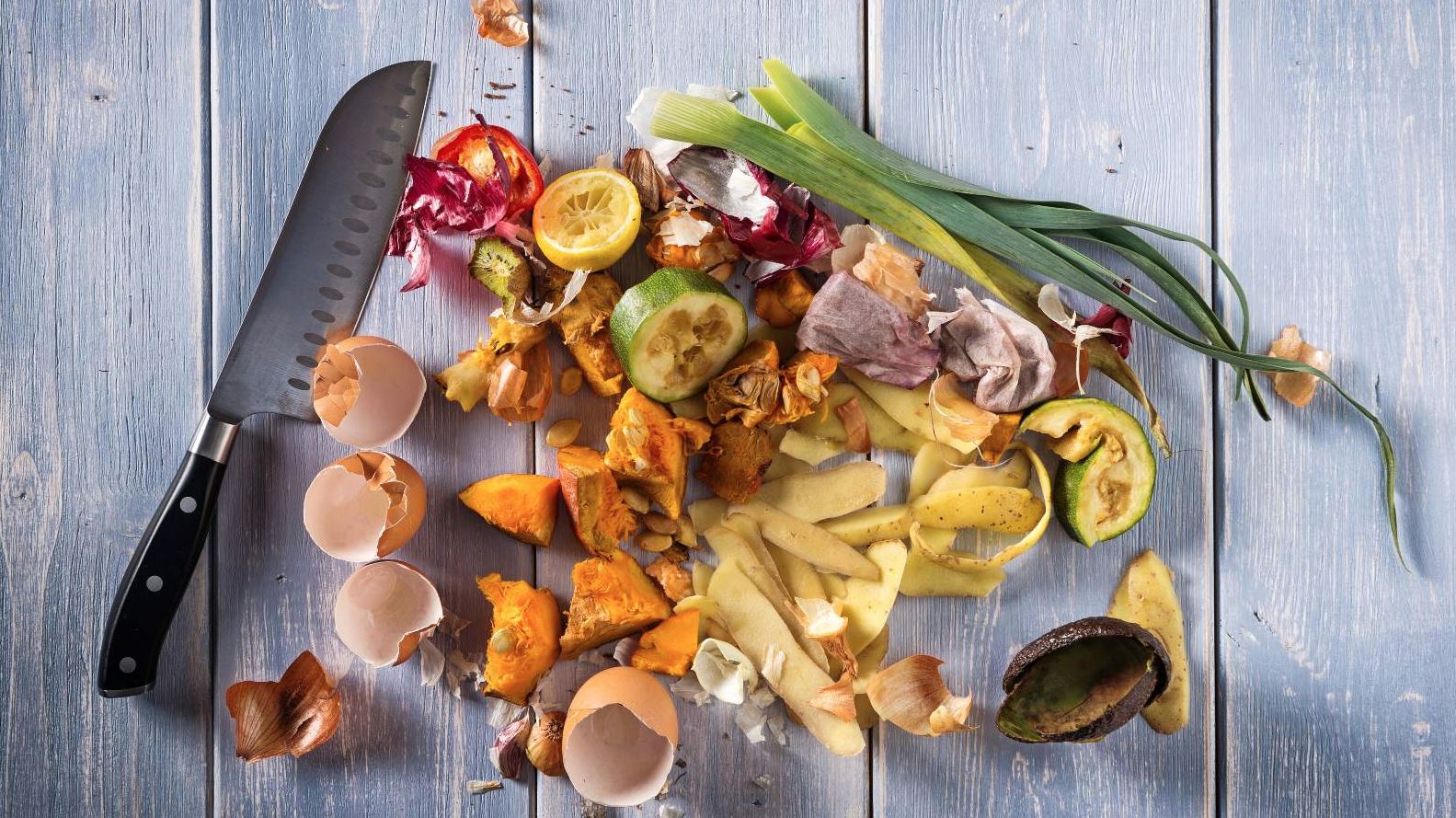
Upcycled ingredients begin where conventional supply chains end, they capture nutrition, flavor, and function that would otherwise slip into waste streams, and they do so....
Read More
Precision fermentation uses carefully selected microorganisms to make specific food molecules that once came only from animals or from scarce crops, and it does this by....
Read More
Much of the food grown for people never reaches a plate, some is left in fields because harvesting costs exceed market price, some degrades in storage because temperature....
Read More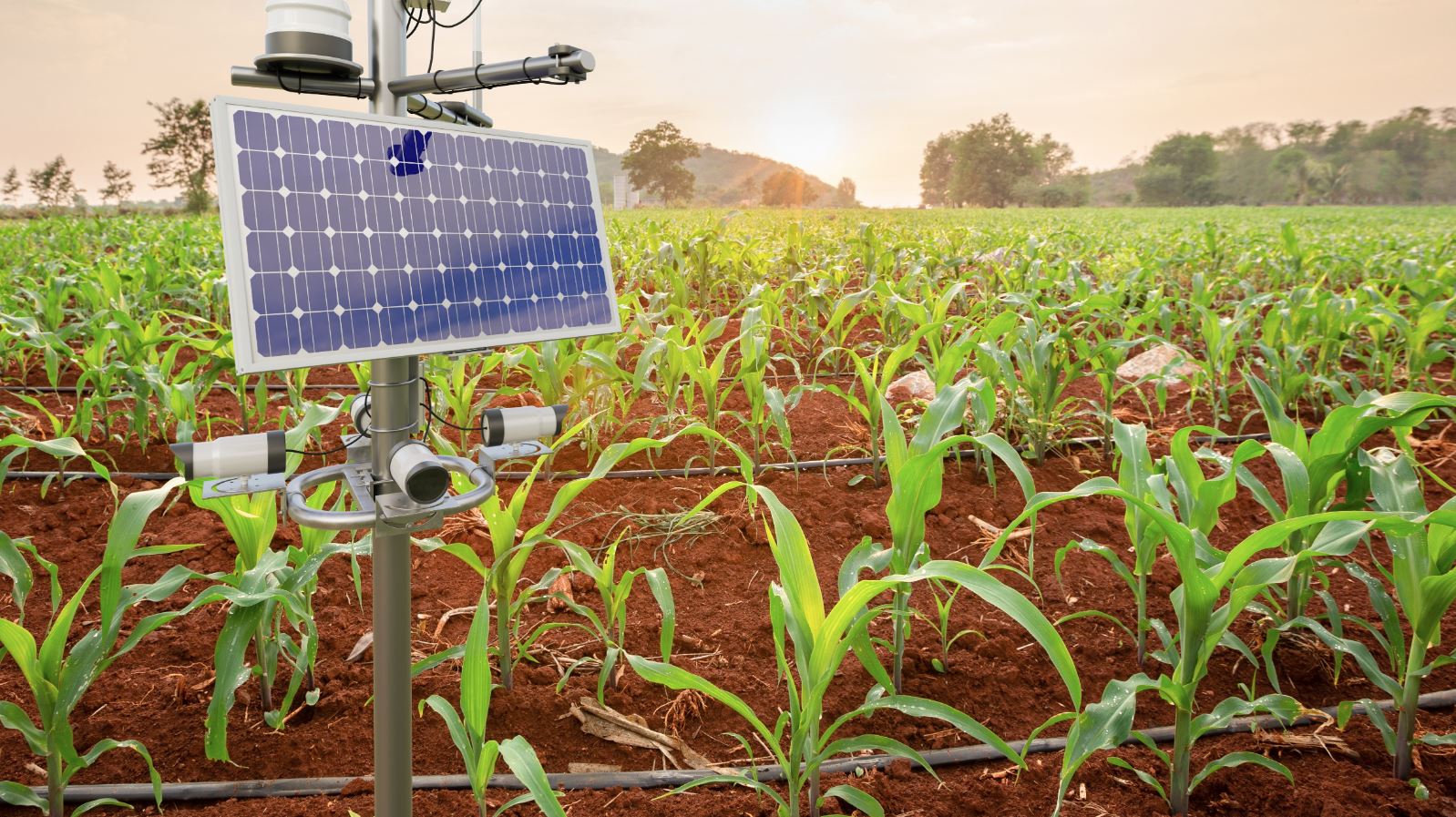
Climate smart agriculture begins with acceptance that seasons have changed, rains arrive in new patterns, and heat visits more often, so farms respond with plans that....
Read More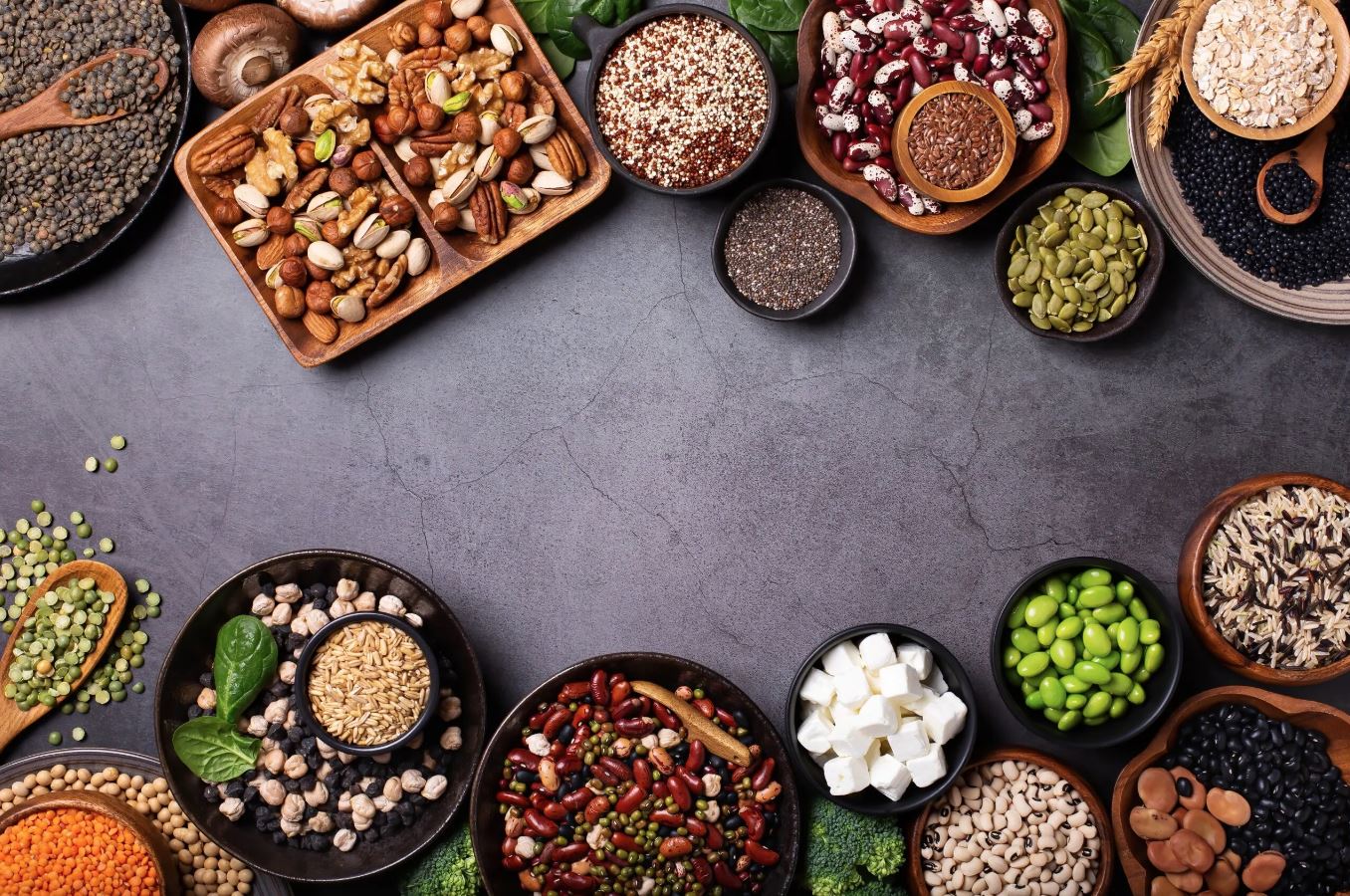
Global demand for protein climbs with population growth and rising incomes, yet land, water, and climate constraints limit how far old models can stretch, so a broader....
Read More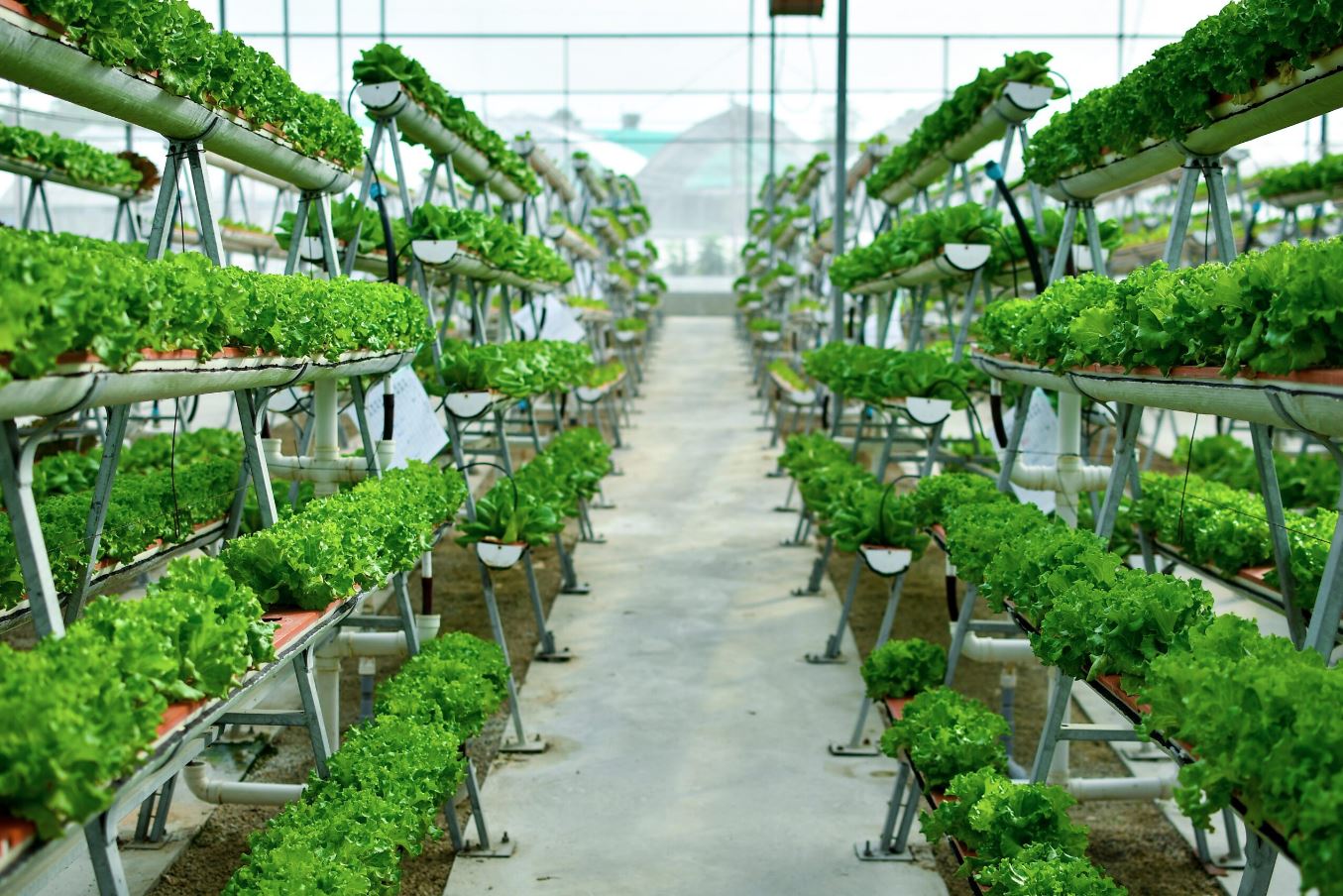
Vertical farming stacks crops in tiers inside controlled rooms so that every square meter of floor becomes many square meters of leaf and fruit, and this approach places....
Read More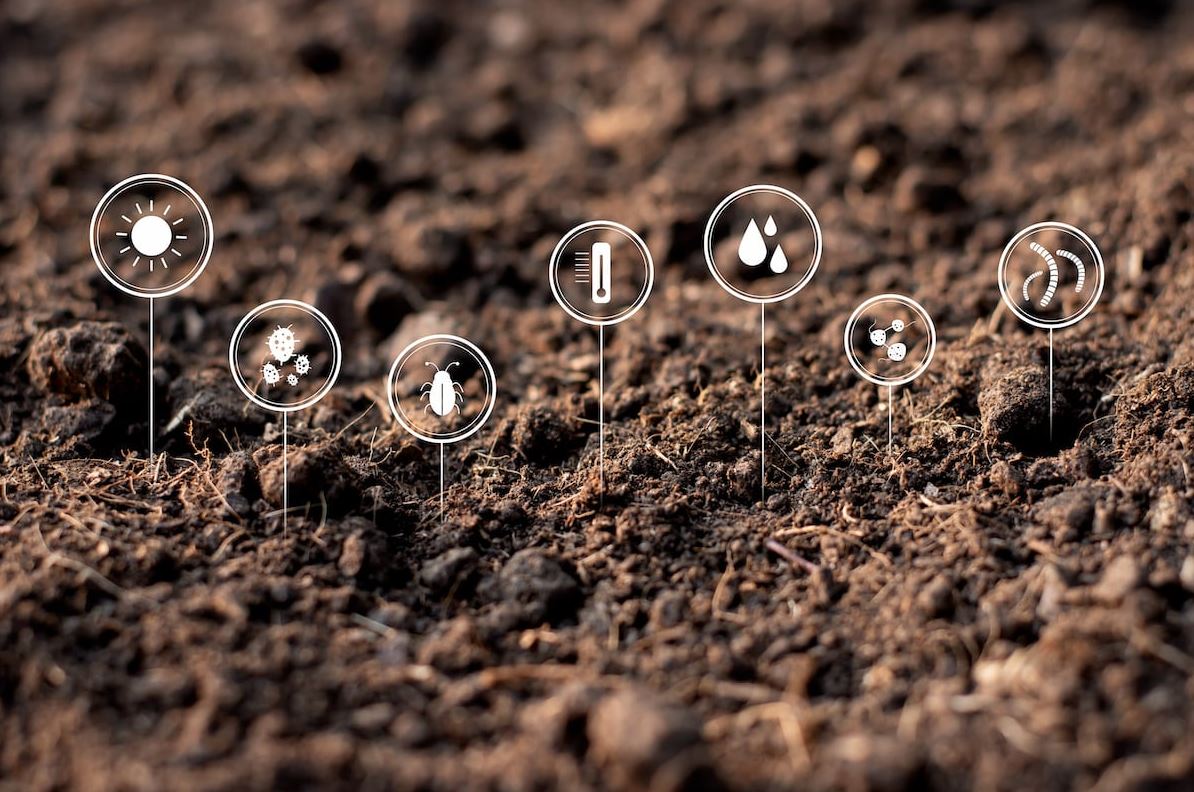
Soil holds a maze of pores filled with air and water, bits of mineral sand silt and clay, and a steady rain of organic fragments from roots and leaves, and within this....
Read More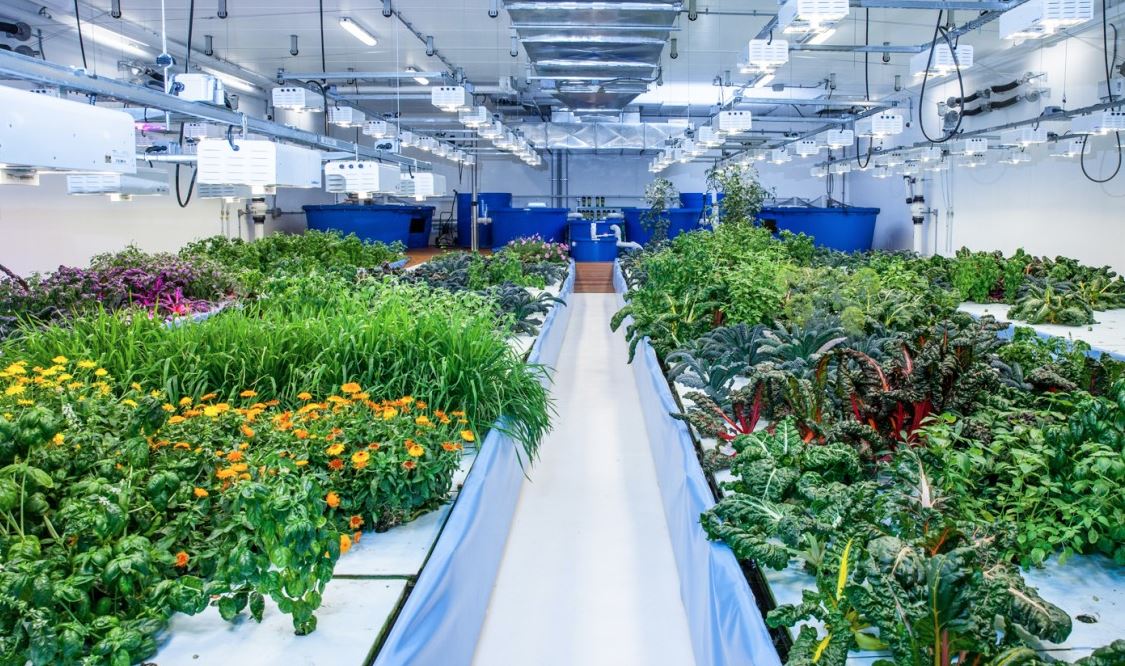
As population rises and fertile land shrinks, growers turn to systems that grow plants and fish together in continuous cycles where waste from one becomes nutrition....
Read More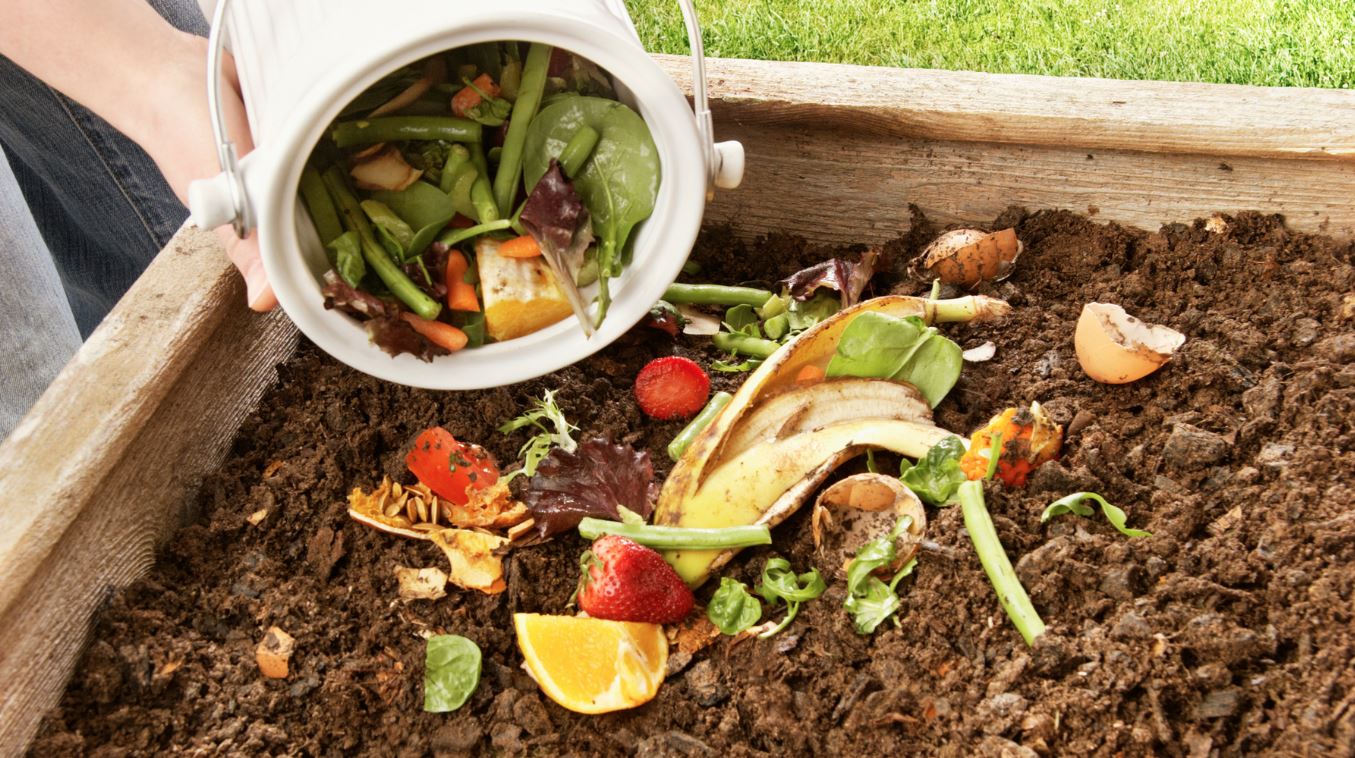
In kitchens, markets, and packaging plants, a transformation is taking place that few notice in its early silence. The humble spoon, once shaped from petroleum and....
Read More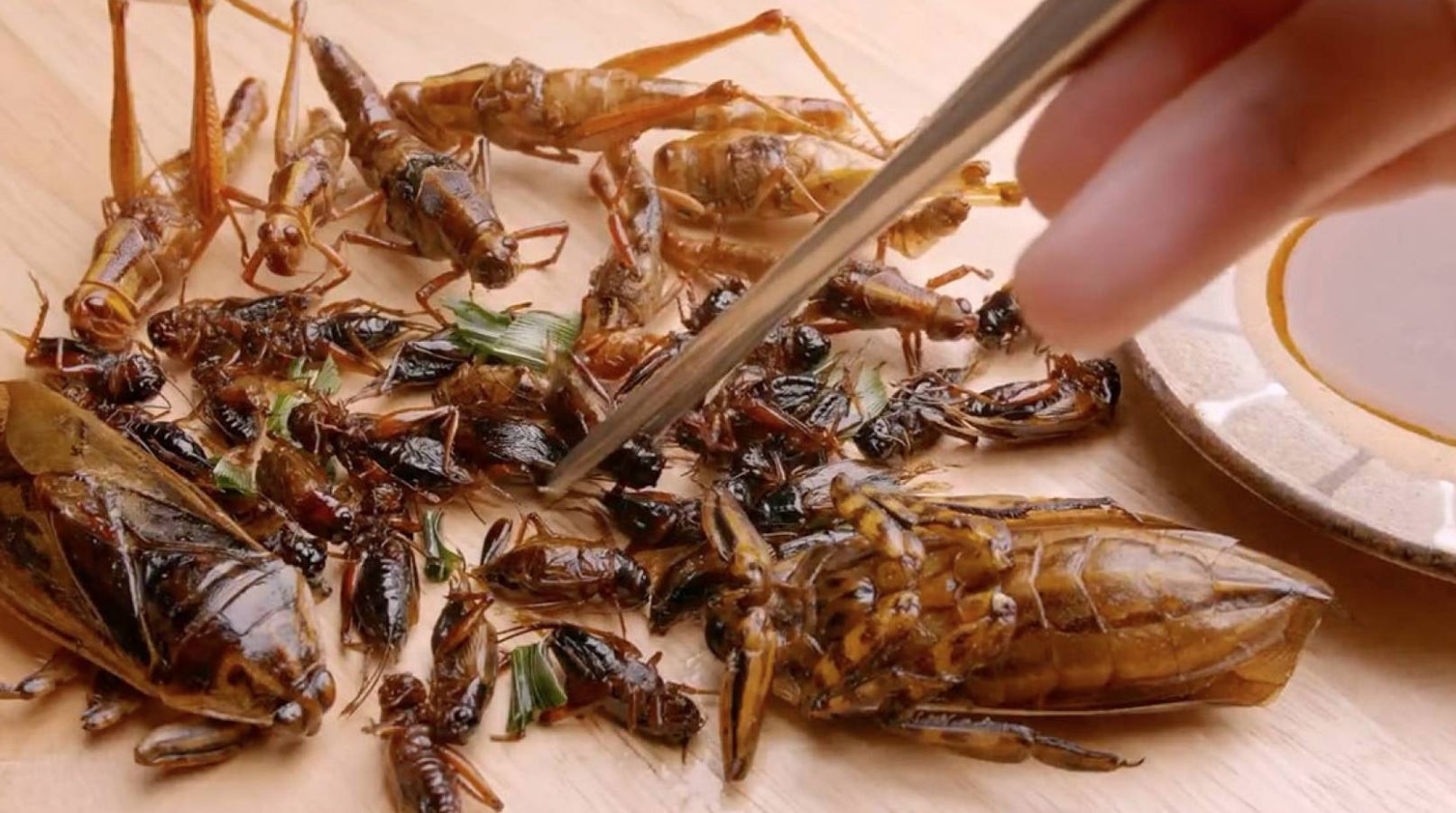
Across many regions people already treat insects as ordinary ingredients, and this lived history answers a question that modern kitchens often ask in theory, which foods....
Read More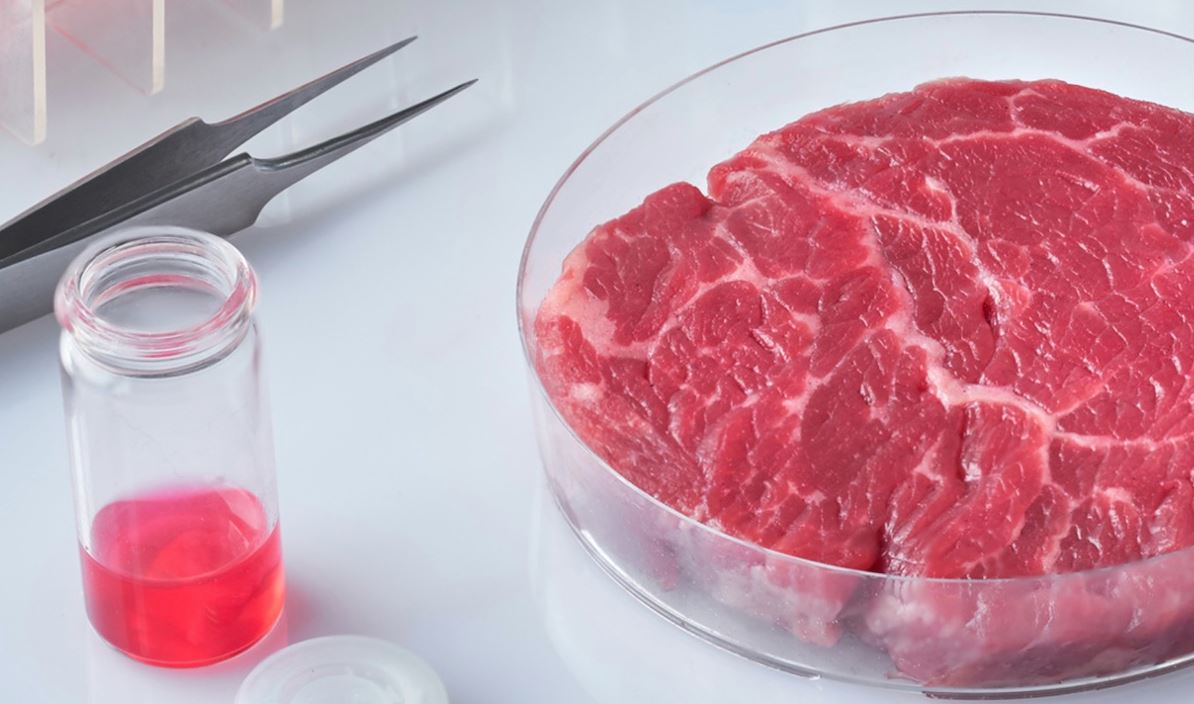
Inside a transparent bioreactor, small clusters of animal cells multiply under gentle warmth, suspended in nutrient rich liquid that mirrors the composition of blood plasma....
Read More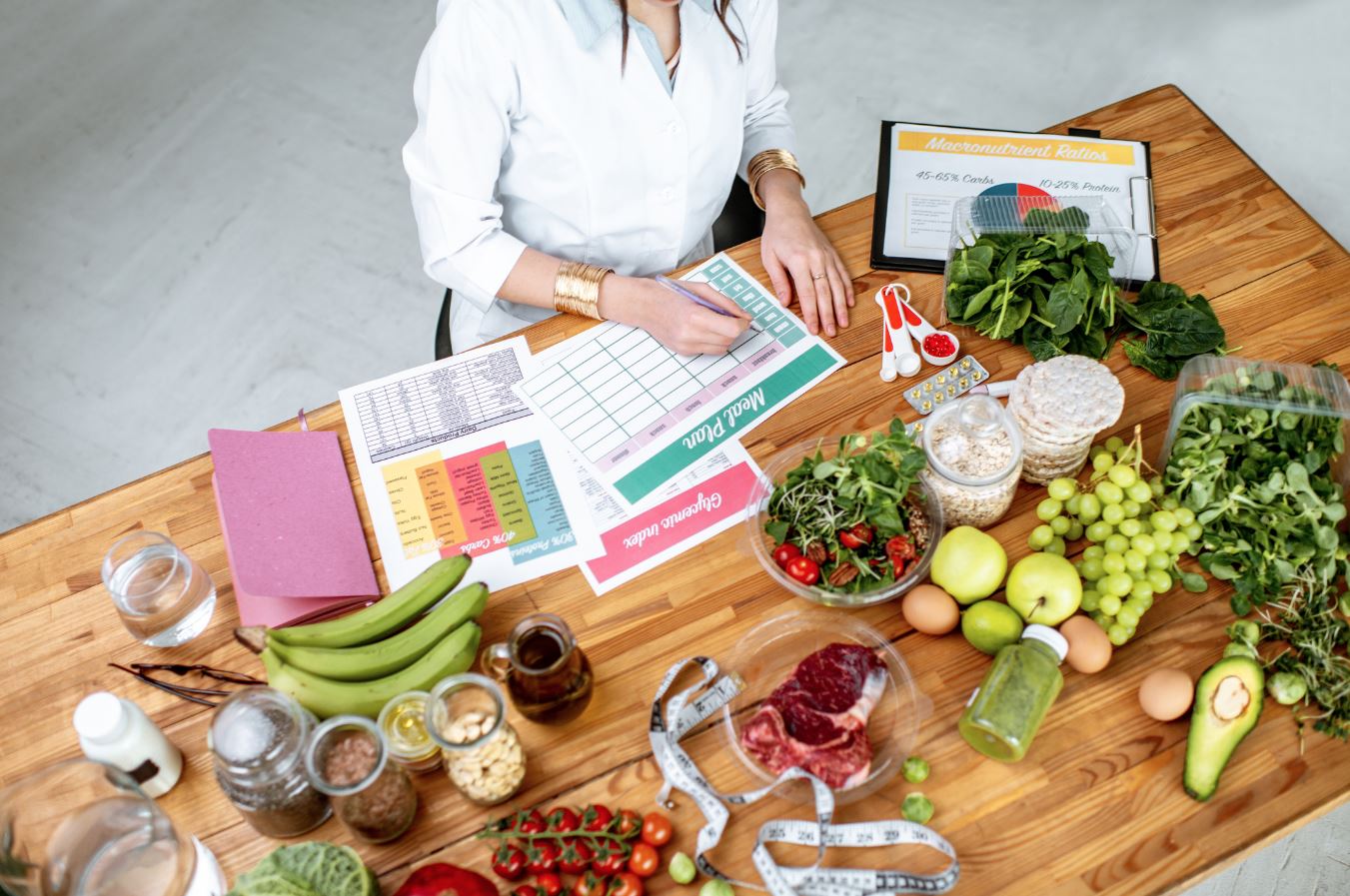
Nutrition advice once spoke to everyone at once, which created guidance that fit a classroom but rarely an individual kitchen. Personalized nutrition changes the conversation....
Read More
Public health teams once tracked anemia, rickets, goiter, and night blindness on charts pinned to clinic walls, and those maps revealed a gap between what people ate and what....
Read More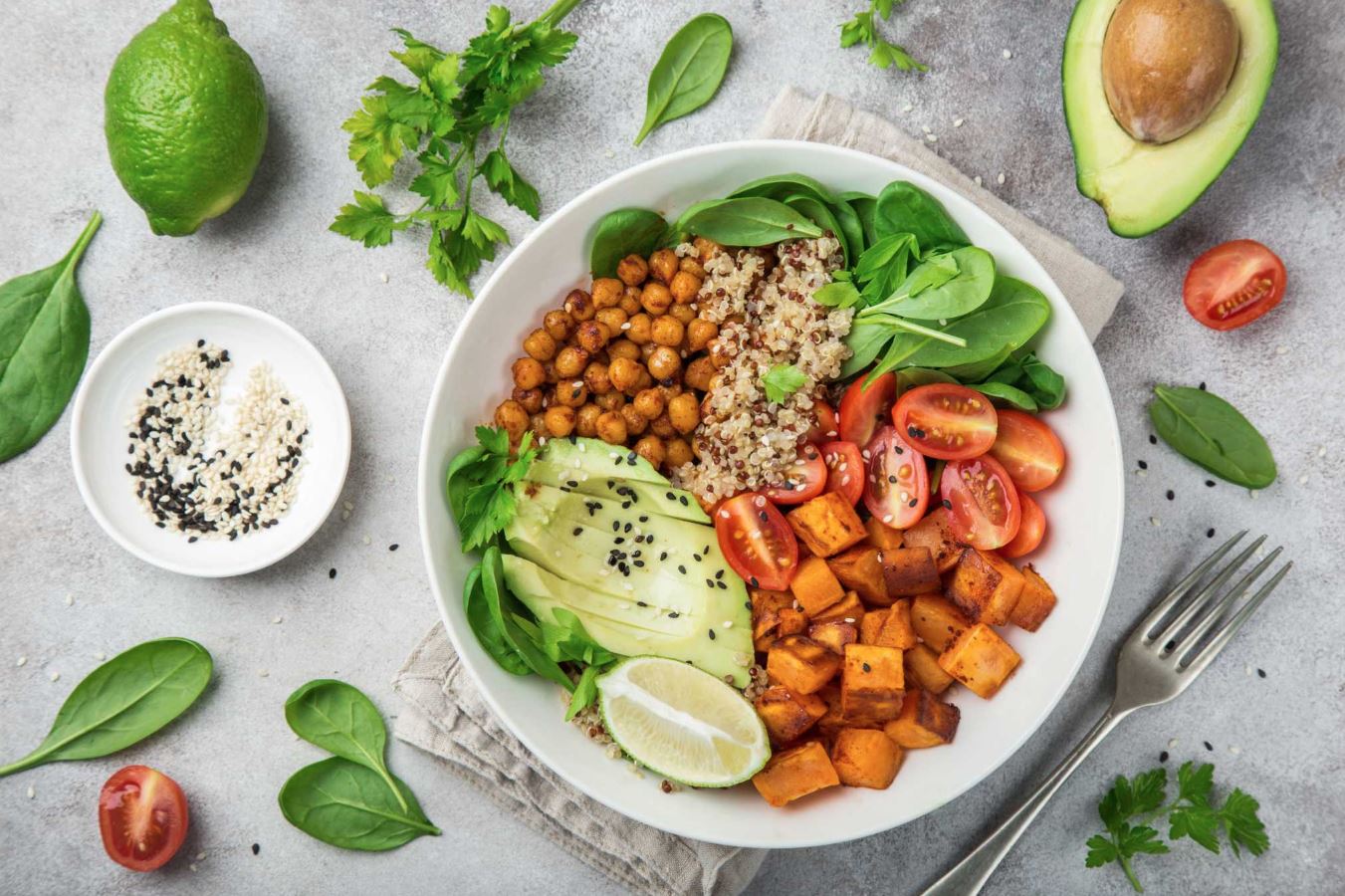
A package may list impressive numbers, yet your body only benefits from the portion that survives digestion, crosses the gut wall, and reaches tissues where it can do work....
Read More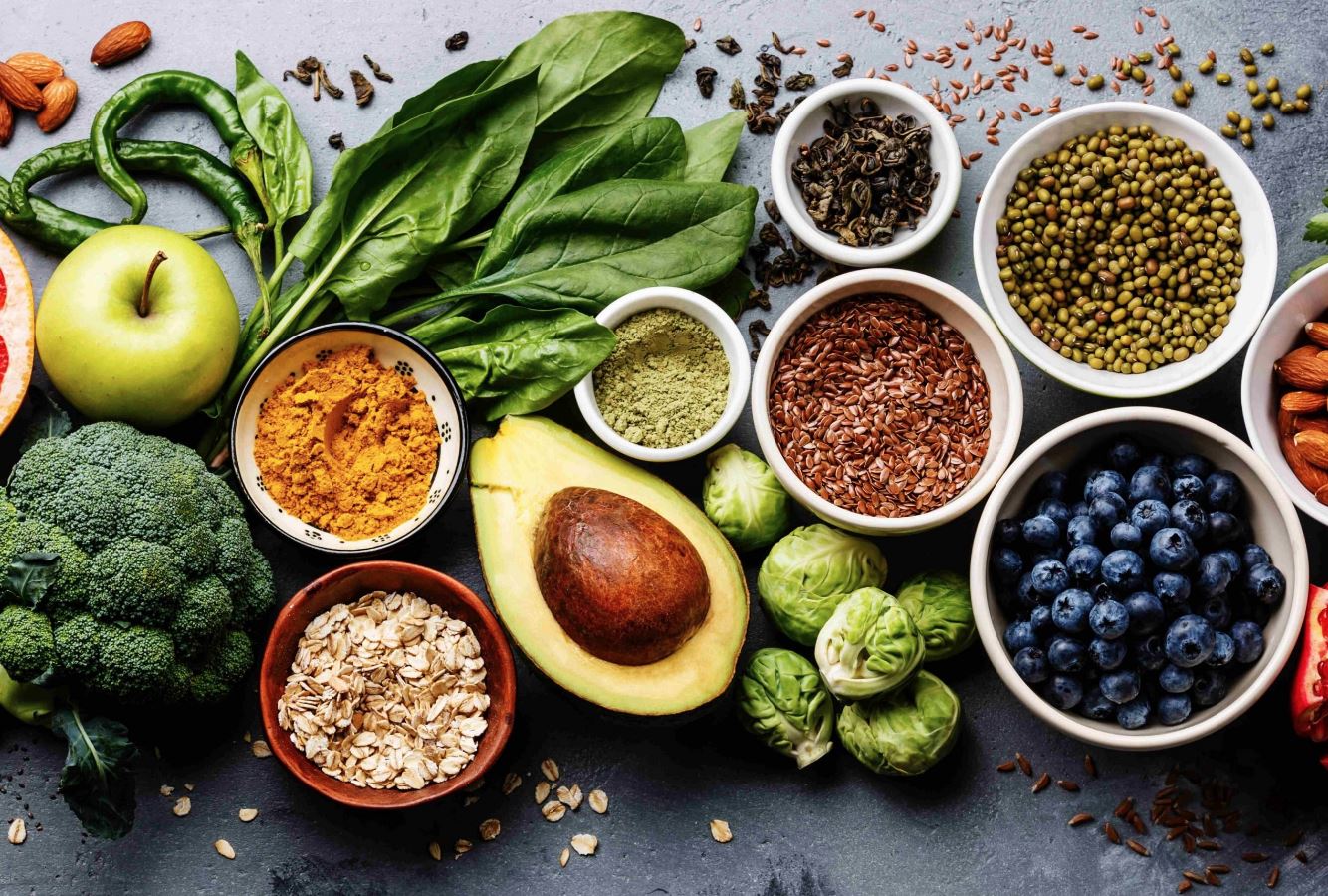
Food safety once centered on reacting to outbreaks, which meant tracing a problem backward after people had already become sick. Modern practice shifts the focus to early....
Read More
Hydroponic farming starts with a simple observation, roots want water, air, and minerals, not dirt itself. When growers deliver those needs directly in a controlled bath....
Read More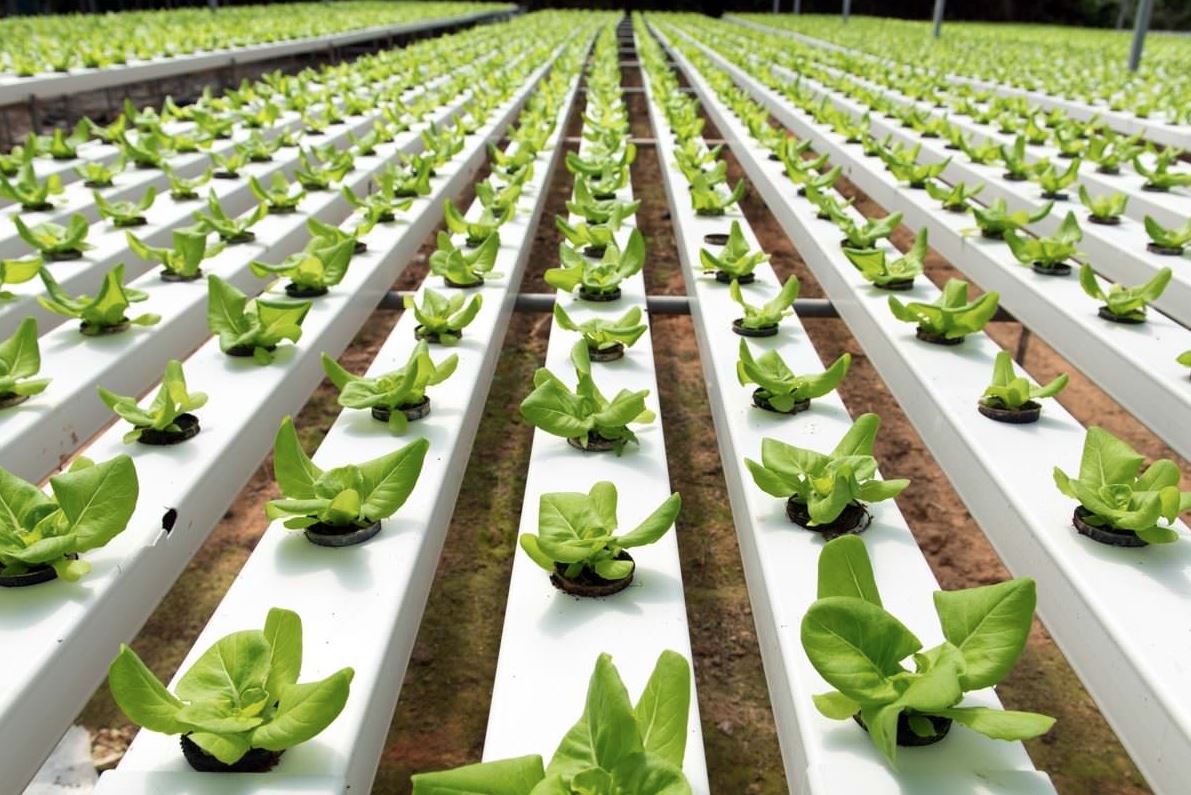
Preservation begins with a simple goal, slow the dances of microbes and enzymes without ruining taste or texture. Every method pulls a lever that life depends on, such as....
Read More