

Protein From Roots And Rain
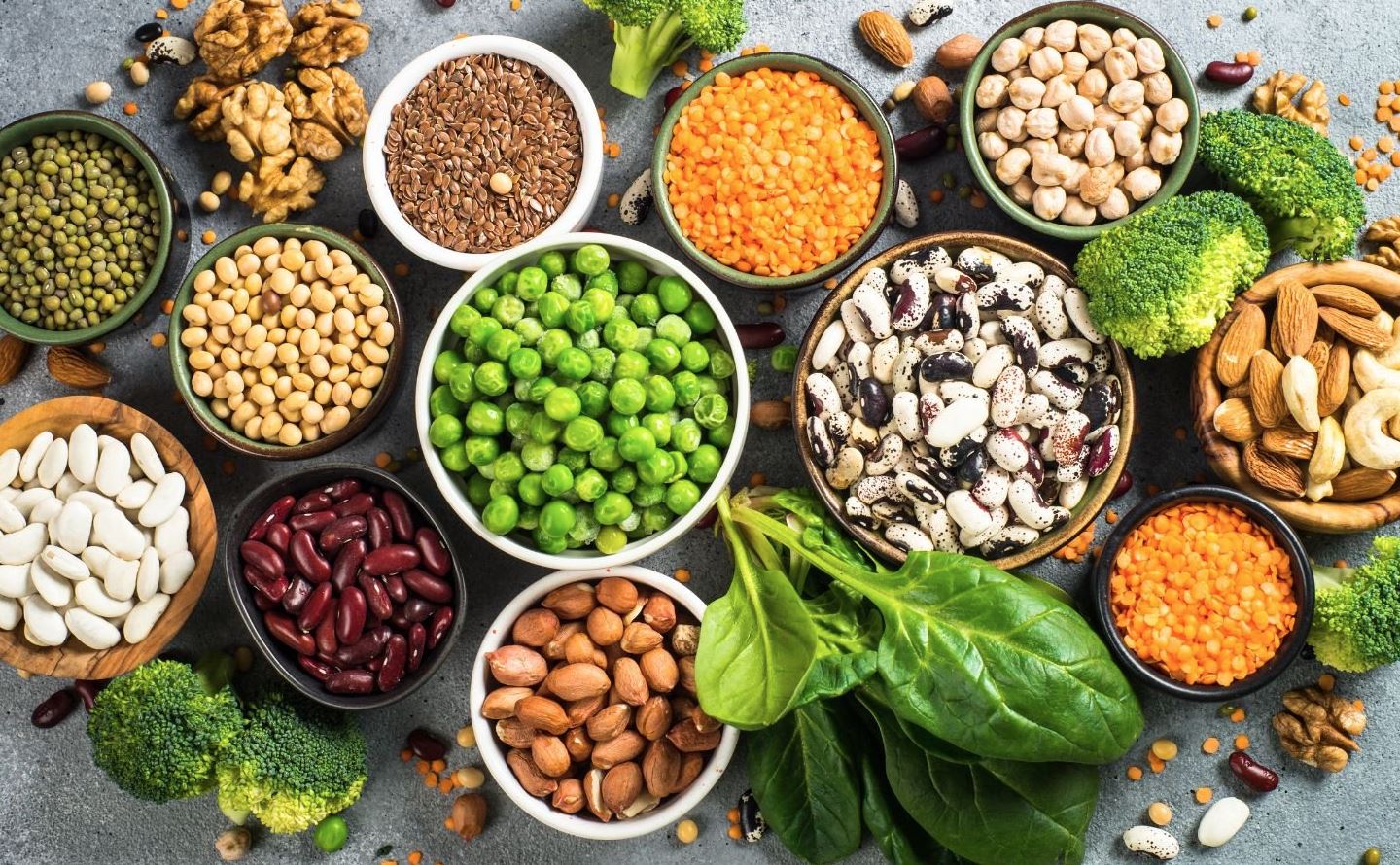
Exploring how crops become complete nourishment through science, craft, and care
The shifting landscape of protein on the plate
Across kitchens and laboratories the idea of protein has expanded beyond familiar animal sources toward seeds, pulses, and grains that carry abundant amino acids within their cells. This shift comes from many forces, such as environmental goals, culinary curiosity, and advances in food technology that make new textures and flavors possible. Plant based proteins now appear in everyday meals, from simple stews to advanced formulations that mimic the chew and sizzle of traditional dishes. The journey is both cultural and scientific, since acceptance grows when flavor satisfies and when nutrition meets daily needs without compromise. As supply chains adapt, farmers and processors collaborate to deliver ingredients that are reliable, tasty, and affordable, which turns a trend into a lasting pillar of the food system.
Seeds that carry a quiet abundance
Legumes such as peas, lentils, and chickpeas store protein to fuel germination, and that reserve becomes valuable to human diets when harvested and prepared with care. Soybeans contribute high protein flour and concentrates, while lupin and fava offer distinctive aromas and fiber that support gut health. Grains such as oats and sorghum contribute complementary amino acids along with complex carbohydrates and minerals. Oilseeds like sunflower and pumpkin supply protein rich press cakes once their oils are extracted, which turns a byproduct into a nutritious flour. Diversity across species and regions creates a portfolio of flavors and textures, which allows cooks to choose ingredients that suit local taste while supporting soil health through varied rotations.
From harvest to functional ingredient
Turning crops into ingredients that perform in doughs, patties, or beverages requires gentle processing that preserves nutrition while improving solubility and texture. Dry fractionation separates starch and protein based on size and density, which avoids large volumes of water and reduces energy demand. Wet extraction can raise purity for applications that need smooth mouthfeel, as in high protein drinks or yogurts made from plants. Enzymes tailored to break specific bonds improve dispersibility and reduce beany notes without harsh conditions. Each method trades cost, flavor, and sustainability metrics, so manufacturers select pathways that match the target food while respecting resource limits.
Amino acid balance without compromise
Proteins differ in the amounts of essential amino acids they provide, so smart blending can achieve a complete profile that supports muscle repair, enzyme function, and immune health. Cereal proteins often run short on lysine, while many legumes carry abundant lysine but less methionine. Combining pulses with grains aligns strengths and weaknesses into a balanced whole that rivals established benchmarks. Fermentation can further improve availability by reducing antinutritional factors that block absorption. When formulation respects this biology, plant centered meals deliver dependable nutrition for all ages and activity levels.
Digestibility, bioavailability, and the role of structure
Human digestion unfolds as enzymes meet proteins with specific shapes and folding patterns. Heat, pH, and mechanical shear open these structures, which increases access to peptide bonds and raises the fraction absorbed. Simple home techniques such as soaking and sprouting change seed architecture in ways that ease digestion. Industrial tools such as controlled extrusion align and denature proteins to create fibers that tear like meat while remaining digestible. Measurement through in vitro assays and clinical studies guides these steps so that tenderness and nutrition rise together rather than drift apart.
Flavor development beyond disguise
Early products often tried to mask plant identity, yet the future belongs to flavors that celebrate origin while delivering satisfaction. Gentle roasting builds nutty notes, while controlled fermentation cultivates fruity or savory profiles without harshness. Lipid selection matters because fats carry aroma and affect mouthfeel, so blends of high oleic vegetable oils with structured emulsions can deliver juiciness while limiting oxidation. Seasoning strategies should respect the natural character of the protein, since chickpea warmth pairs well with earthy spices, while pea protein lifts with citrus and herbs. When recipe design embraces the voice of the ingredient, consumers experience authenticity instead of imitation.
Texture as a language of satisfaction
Chew, spring, and crumble guide perception as much as taste. Extrusion creates layered protein networks that mimic fibers, while shear cell technology forms sheets that flake like slow cooked cuts. Calcium sets gels in dairy style applications made from plants, and transglutaminase can link proteins into cohesive slices for deli formats. Bakers use hydrated protein concentrates to strengthen doughs and retain moisture in crumb. Each technique reads like a grammar for mouthfeel, and when used thoughtfully it turns humble flour into a memorable bite.
Allergen awareness with clear choices
Soy, wheat, and certain tree nuts can trigger reactions in sensitive individuals, so a broad toolbox of crops keeps options open. Pea, fava, lentil, and hemp offer paths that avoid common allergens for many consumers. Dedicated lines and strict validation of cleaning protocols protect those who rely on clear labels. Ongoing breeding programs aim to reduce reactive proteins where possible, while transparent communication helps shoppers choose with confidence. Safety and inclusion go hand in hand, and both strengthen trust in plant centered products.
Fermentation as a quiet multiplier
Microbial cultures unlock protein potential by producing enzymes that tailor flavor and texture. Koji molds develop savory depth in legume pastes, while lactic bacteria soften beany notes in spoonable yogurts made from plants. Precision fermentation can produce specific proteins like enzymes or dairy analog proteins without animal inputs, which broadens formulation choices and reduces pressure on land. These tools add layers of complexity that make plant based foods satisfying across cultures, from tangy spreads to aged slices with balanced sharpness.
Sustainability across the full life cycle
Plant protein draws attention for lower greenhouse emissions and water use relative to many animal products, yet outcomes vary by region, irrigation, and processing. Life cycle assessment helps compare systems on consistent terms, from fertilizer manufacture to refrigeration. Rotations that include legumes reduce synthetic nitrogen needs by fixing atmospheric nitrogen, which lowers energy demand at the fertilizer plant and decreases nitrous oxide in the field. Efficient processing that uses less water and recycles heat further trims impacts. Packaging that supports shelf life without excess material keeps waste low along the journey to the table. The most responsible choices come from measurement paired with local knowledge.
Economic opportunities from field to fork
As demand grows, farmers gain new outlets for rotation crops that once had narrow markets. Regional mills that fractionate peas or lupin create jobs near production zones and shorten transport distances. Food entrepreneurs develop snacks, spreads, and center of plate items tailored to local cuisine, which keeps value within communities. Public procurement that includes plant based options in schools and hospitals stabilizes markets and introduces young diners to diverse flavors. When supply chains share benefits fairly, adoption accelerates and resilience improves.
Culinary craft that meets daily life
Great ideas succeed only when cooking feels natural at home. Simple templates help busy households enjoy plant centered protein without stress. A pot of lentils becomes soup with tomatoes and greens, or transforms into patties with onions and oats. Silken tofu blends into creamy sauces with herbs and lemon, while firm styles stir fry with ginger and vegetables. Textured pea or soy pieces simmer in spiced broth to soak up flavor, then finish under a quick sear for a crisp edge. With a pantry of spices and a plan for leftovers, protein rich meals fit weeknight routines and weekend gatherings alike.
Nutrition for different stages of life
Active adults need adequate leucine to stimulate muscle protein synthesis, which can be delivered through blends of legumes and grains or through concentrates added to smoothies and bowls. Children benefit from steady exposure to varied textures and flavors, which encourages acceptance and ensures micronutrient coverage from fruits, vegetables, nuts, and seeds. Older adults may prefer softer textures and higher protein density per serving, so puddings, soups, and fortified yogurts made from plants can meet needs without large portions. Omega three sources like flax and algae complement protein to support brain and heart health across the lifespan.
Future directions guided by curiosity and care
Breeders explore varieties with improved protein content, mild flavor, and resilience to heat or drought. Scientists refine extraction to use less water and energy while preserving functional properties. Chefs push boundaries with low waste methods that use husks and brans in creative forms, which raises fiber and reduces disposal. Educators craft programs that link taste to ecology so the next generation understands how personal choices shape landscapes. The field advances when innovation stays grounded in nourishment, transparency, and joy.
A table that welcomes every harvest
Plant based proteins invite a generous view of food where fields, kitchens, and communities work together. Farmers nurture soils that hold water and carbon, processors respect the integrity of seeds, and cooks translate ingredients into meals that feel comforting and new at the same time. When a plate carries complete nutrition with satisfying texture and honest flavor, the eater experiences more than dinner. It becomes a quiet vote for health, for biodiversity, and for a future where abundance does not cost the earth. With patience and imagination, protein from roots and rain can feed families today and keep the promise of tomorrow intact.