

Harvesting Energy Within
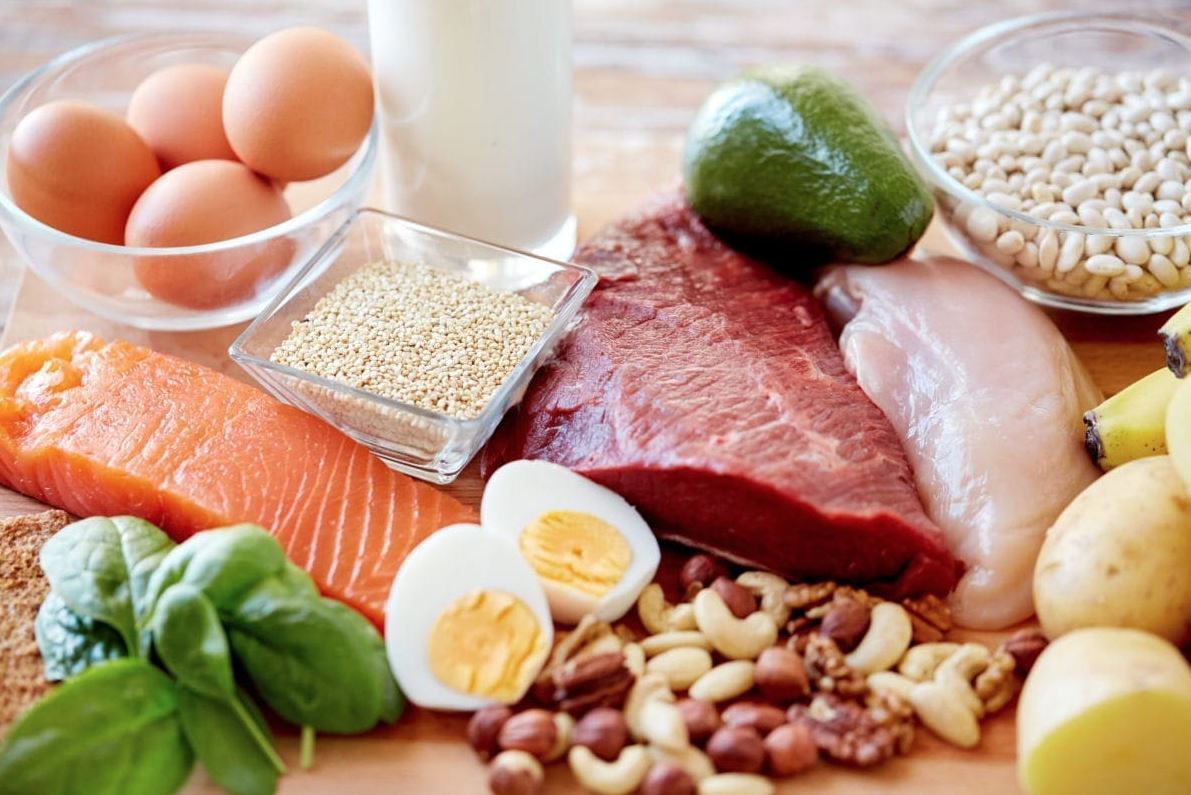
Unraveling the Hidden Pathways of Human Nourishment
The Architecture of Biological Fuel
Nutrition begins as a simple act of consumption but unfolds as an intricate biological process that fuels every cell of the human body. Each bite initiates a cascade of chemical conversions that extract energy and distribute it through complex metabolic routes. Glucose molecules break apart through glycolysis, releasing bursts of energy captured in adenosine triphosphate, the universal currency of life. Meanwhile, lipids serve as long-term reserves, storing dense energy in their hydrocarbon chains that mitochondria later transform into power. Proteins, though often recognized as the building blocks of tissue, also provide secondary fuel when energy demand surpasses immediate carbohydrate supply. The elegance of these conversions illustrates nature’s design, where every molecule plays multiple roles in sustaining vitality. Food scientists map these pathways not only to understand life but to improve how we eat for longevity, resilience, and equilibrium.
At the cellular level, nutrition becomes a dialogue between input and adaptation. The digestive tract absorbs nutrients while simultaneously signaling the brain and endocrine system to regulate hunger and storage. Hormones such as leptin and insulin act as messengers that maintain balance between intake and expenditure. When that dialogue falters through excess or deficiency, disorders arise that ripple through organ systems. Modern nutrition research attempts to restore this balance by decoding molecular communication, transforming the study of diet into an exploration of harmony between body chemistry and environmental nourishment.
The Microbiome as a Hidden Metabolic Partner
Inside the gut lives a vast community of microorganisms that influence health more deeply than once imagined. These microbes digest fibers that human enzymes cannot process, producing short-chain fatty acids that nourish intestinal cells and regulate immune response. In this symbiosis, bacteria act as unseen engineers that modulate mood, metabolism, and even cognition. Scientists now refer to this network as the second brain because of its influence on neurotransmitter production and hormonal feedback. Nutritional science views the microbiome as both a target and a collaborator, capable of amplifying or diminishing the effects of what we eat. When diets lack diversity, microbial populations shrink, reducing resilience and increasing susceptibility to inflammation. Conversely, plant-rich diets expand microbial variety, promoting metabolic efficiency and emotional stability.
Efforts to restore microbial balance through probiotics and prebiotics represent one of the most promising intersections between nutrition and biotechnology. Researchers are designing personalized formulations based on genetic and microbial profiling, transforming gut ecology into a customizable field of medicine. The science of nourishment now extends beyond what enters the stomach to how microscopic allies interpret it, converting meals into molecular messages that shape overall well-being.
The Nutritional Geometry of Plant Diversity
Plants remain the foundation of global nutrition, offering not only carbohydrates and fiber but a vast spectrum of phytonutrients that support cellular health. Every leaf and fruit contains bioactive compounds that interact with enzymes, receptors, and antioxidants within the human body. Carotenoids protect cells from oxidative stress, flavonoids modulate inflammation, and polyphenols influence gene expression. The diversity of these compounds explains why a varied diet promotes longevity. Food scientists use chromatography and metabolomics to profile these molecules and trace their transformations after digestion. The data reveals that even subtle changes in soil composition or light exposure alter nutrient concentration, linking agriculture directly to health outcomes.
As sustainable farming expands, attention shifts to cultivating plants that retain maximum nutrient density without exhausting natural resources. Crop rotation, microbial soil enrichment, and vertical farming techniques reduce nutrient loss while enhancing biodiversity. Nutrition science thus merges with ecological stewardship, ensuring that food quality aligns with planetary preservation. By decoding the geometry of plant nutrients, scientists hope to rebuild a food system where abundance coexists with responsibility, and where flavor and nutrition evolve together through thoughtful cultivation.
The Energy Paradox of Modern Eating
Modern society faces a paradox where caloric abundance coincides with nutritional deficiency. Highly processed foods provide immediate energy yet lack essential micronutrients that sustain long-term health. Excessive sugars and refined fats alter hormonal signaling, leading to metabolic confusion that manifests as fatigue, obesity, and chronic inflammation. Nutritionists describe this as metabolic entropy, a state where energy input no longer translates into vitality. Restoring metabolic clarity requires rebalancing macronutrient proportions and prioritizing whole foods that deliver balanced energy curves rather than rapid spikes.
Scientific studies demonstrate that complex carbohydrates with intact fiber slow glucose absorption and maintain steady energy release. Balanced intake of omega fatty acids supports cellular membrane flexibility, improving energy efficiency. These adjustments do not merely affect the body but also influence mental performance and emotional stability. Sustainable nutrition therefore becomes both a personal and societal challenge, urging a shift away from industrial convenience toward mindful consumption. When individuals reconnect with the origins of their food, energy transforms from quantity into quality, nourishing not just survival but consciousness itself.
The Influence of Circadian Nutrition
The timing of eating may be as critical as its content. Human metabolism follows circadian rhythms synchronized with daylight and rest cycles. Enzymes responsible for digestion and nutrient transport fluctuate in activity throughout the day. Consuming large meals late at night disrupts this rhythm, leading to impaired glucose tolerance and lipid imbalance. Researchers exploring chrono-nutrition have discovered that aligning meal times with biological clocks enhances metabolic efficiency and supports weight regulation. Early-day meals promote better energy utilization, while late eating tends to favor storage rather than expenditure.
Intermittent fasting protocols extend this concept by introducing controlled periods of rest for metabolic systems. During fasting, cellular processes such as autophagy activate, clearing damaged components and recycling nutrients. This natural detoxification enhances longevity and reduces disease risk. The concept of timing as a nutrient in itself marks a paradigm shift, suggesting that when we eat can be as vital as what we eat. By syncing consumption with biological rhythm, humans can harmonize physiology with the natural world, reestablishing patterns that evolution once perfected but modern life has obscured.
The Psychology of Eating Behavior
Nutrition cannot be fully understood without examining the mind that guides it. Psychological states influence appetite, craving, and satisfaction. Emotional stress activates the hypothalamic-pituitary-adrenal axis, releasing cortisol that drives the search for high-energy foods. In contrast, calm states favor balanced choices and slower eating that allows satiety signals to emerge. Cultural conditioning adds another layer, shaping preferences and taboos that define identity through cuisine. Food science intersects with behavioral psychology to uncover how perception alters absorption. Studies show that simply observing the color and aroma of food primes digestive enzymes before the first bite, demonstrating that expectation shapes biology.
Mindful eating practices harness this connection by encouraging awareness of flavor, texture, and gratitude. When attention replaces distraction, digestion improves and overeating declines. The psychology of nourishment extends to community as well. Shared meals reinforce belonging and emotional stability, translating nutritional benefits into social wellness. By addressing both biology and emotion, nutrition becomes an integrative science that unites the inner chemistry of the body with the collective rhythms of culture and compassion.
The Hidden Language of Micronutrients
Vitamins and minerals function as molecular signals that regulate countless biological reactions. Iron enables oxygen transport, magnesium stabilizes energy molecules, and selenium safeguards the immune system. Deficiencies in these micronutrients often remain invisible until systemic imbalance occurs. Food scientists work to identify subtle patterns of insufficiency that traditional medicine may overlook. For example, mild zinc deficiency can impair taste perception, reducing appetite and leading to further deficiency, creating a self-reinforcing cycle. Through advanced spectroscopy and biochemical assays, laboratories now map micronutrient absorption in real time, revealing interactions previously unknown.
Bioavailability has emerged as a key challenge in modern nutrition. Not all consumed nutrients are absorbed effectively, and factors such as gut health, food preparation, and molecular form determine efficiency. Pairing plant-based iron with vitamin C enhances uptake, while certain phytates inhibit mineral absorption. Nutrition becomes an exercise in chemistry where combinations define outcomes. As understanding deepens, personalized micronutrient optimization becomes achievable, allowing dietary precision that supports individual physiology and global sustainability simultaneously.
The Evolutionary Perspective of Human Diet
Anthropological research shows that nutrition shaped human evolution as much as climate or geography. Early humans adapted to fluctuating resources through metabolic flexibility, capable of deriving energy from plants, animals, and fungi alike. This adaptability fueled brain expansion by supplying consistent energy and micronutrients vital for cognitive development. The transition from foraging to agriculture altered the balance of nutrients, introducing stability at the cost of diversity. Modern nutritional science seeks to recapture that ancient equilibrium by blending traditional diets with contemporary understanding.
Evolution also explains individual differences in metabolism. Populations exposed to centuries of grain consumption developed enhanced amylase activity for starch digestion, while others retained greater capacity to metabolize fats from marine sources. Recognizing these evolutionary signatures enables culturally appropriate dietary recommendations that honor heritage while embracing innovation. By viewing nutrition as an evolutionary dialogue rather than a static rule, scientists and consumers can rediscover the dynamic intelligence that once guided humanity toward survival and adaptation.
Technology and the Future of Personalized Nutrition
Advancements in data science and biotechnology are transforming nutrition into a measurable and customizable discipline. Wearable devices now track blood glucose fluctuations, nutrient intake, and metabolic rate in real time. Artificial intelligence integrates this data with genomic information to design meal plans that anticipate physiological responses before they occur. Personalized nutrition applications use predictive modeling to recommend food combinations that stabilize energy, enhance focus, or accelerate recovery. These digital ecosystems link behavior, environment, and biology into adaptive systems that evolve with the individual.
Beyond personalization lies collective impact. Global databases of nutritional analytics guide agricultural planning and food policy, optimizing crop distribution based on population health metrics. Such integration promises to reduce hunger while tailoring diets to regional needs. Ethical frameworks ensure that data-driven nutrition remains inclusive, protecting privacy and cultural integrity. As technology deepens its reach, food transforms from static commodity into dynamic intelligence, bridging science with humanity’s oldest instinct to feed and be fed wisely.
The Continuum of Nourishment
Nutrition represents more than sustenance, it is the living intersection of biology, emotion, and environment. Every nutrient, every microbe, and every meal participates in a continuous exchange that defines human existence. The study of nourishment reveals how deeply interconnected our health is with soil, sunlight, and community. By embracing this continuum, we learn that wellness is not achieved through restriction or excess but through balance, awareness, and gratitude. The science of nutrition stands not as a static field but as a journey of discovery that invites each person to explore the chemistry of life within and around them, finding renewal through understanding and intention.