

Growing Meat Without Fields
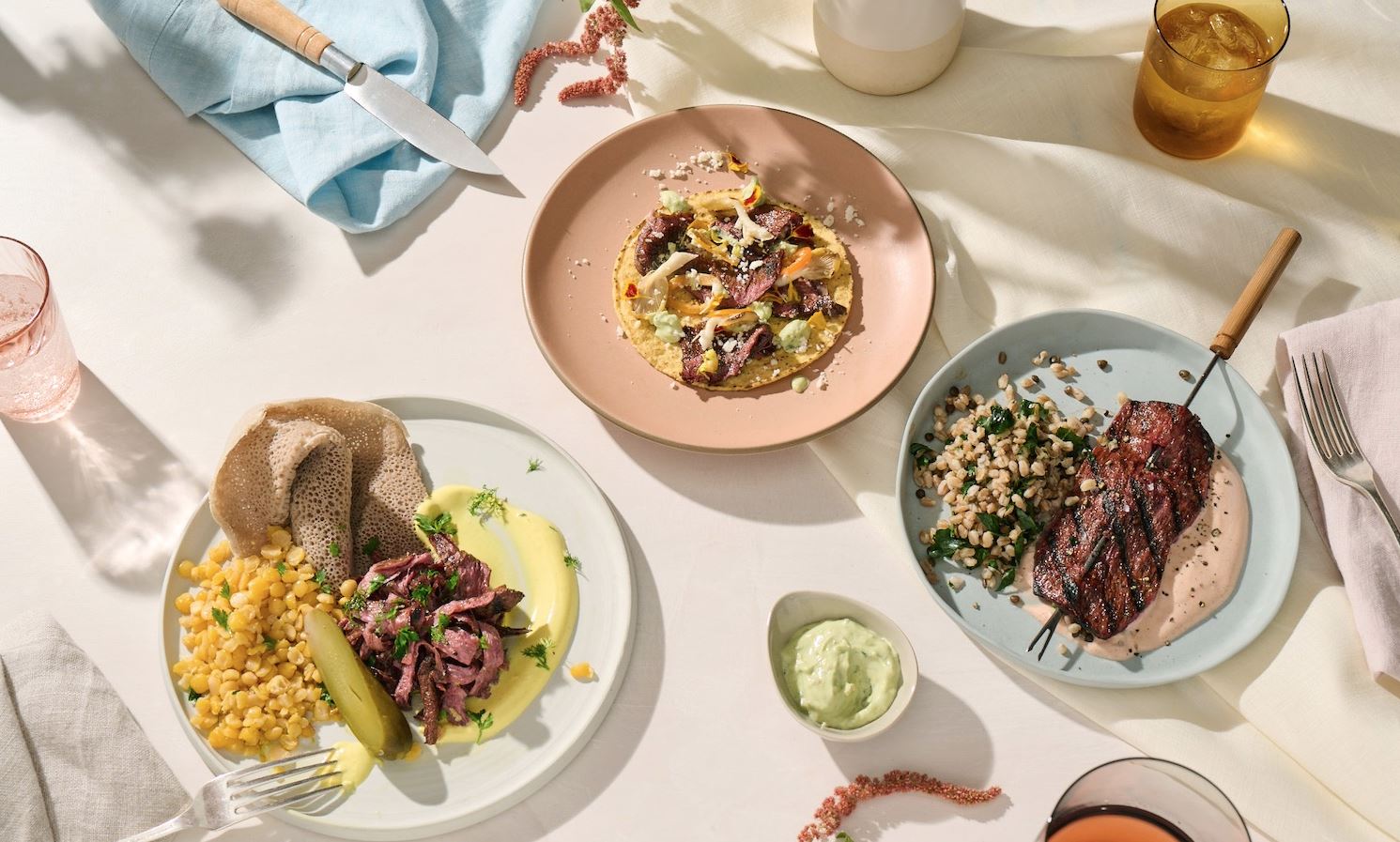
A journey through cells, scaffolds, and supply chains that reshape how protein comes to the table
What it means to cultivate food from cells
Cellular agriculture begins with a simple idea, grow the parts we eat rather than the whole animal. Scientists isolate stem cells or progenitor cells from a healthy donor, then encourage those cells to multiply and mature in a controlled environment. The result is real animal tissue grown outside a body, guided by nutrients, temperature, and mechanical cues. This approach aims to deliver familiar flavor and texture while reducing land use, lowering emissions, and improving animal welfare. The path from petri dish to dinner plate requires more than biology, it calls for engineering, quality systems, and a new relationship between farms, bioreactors, and kitchens.
Where the first cells come from and why that matters
Everything starts with a reliable cell source that can renew itself many times without losing the capacity to become muscle or fat. A small biopsy from a living animal provides primary cells that scientists expand and bank for later use. Some teams create immortalized lines that divide consistently, which simplifies production planning. Others maintain closely managed primary lines to keep traits that influence taste. The choice shapes cost, regulatory review, and public acceptance. A transparent origin story helps consumers understand that a tiny sample can supply many harvests without continuous animal involvement.
The lifeblood of growth media
Cells require a balanced menu that includes amino acids, sugars, lipids, vitamins, minerals, and growth factors. Early research relied on animal serum, a practice that undercuts sustainability and ethics. New media formulations use recombinant proteins, plant peptides, and carefully selected micronutrients to replace serum while maintaining performance. Media design balances purity with price, since large facilities circulate thousands of liters that must remain sterile and consistent. Recycling loops filter and refresh spent media to capture unused nutrients and keep waste low. When media works efficiently, cells thrive, yields rise, and costs fall in step.
Bioreactors as the new barns
A bioreactor controls temperature, oxygen, pH, and mixing, which gives cells a stable home for growth. Stirred tanks suit suspension cultures and microcarriers. Fixed bed systems hold cells on surfaces that remain in place while media flows through. Air lift designs move fluid with gas rather than mechanical impellers, which reduces shear on delicate tissues. Scale brings special challenges, since gradients can form inside large volumes. Engineers use sensors and modeling to keep conditions uniform from core to wall. In this setting, a harvest looks like a carefully timed collection of cells that have reached the right density and maturity for downstream steps.
Teaching cells to become muscle and fat
Proliferation creates mass, differentiation creates identity. To turn a growing cell population into edible tissue, producers adjust media composition and mechanical cues that signal the cells to form fibers or adipocytes. Gentle stretching helps myotubes align, electrical stimulation encourages contraction that strengthens structure, and lipid rich media coaxes adipogenesis that carries flavor compounds. The ratio of muscle to fat changes juiciness and aroma. Combining both in deliberate layers gives products a satisfying bite that feels familiar to the palate.
Scaffolds that give shape to flavor
Tissues need frameworks that support alignment and nutrient flow. Scaffolds can be edible or can dissolve as cells mature. Options include plant derived fibers, algae gels, textured soy, and bacterial cellulose. Porosity matters because oxygen and nutrients must reach interior regions. Surface chemistry matters because cells attach best to materials that mimic the proteins found in natural tissue. The ideal scaffold holds structure during growth, then yields a pleasant chew at the table. Designers tune pore size, stiffness, and geometry to balance growth performance with culinary joy.
Creating whole cuts versus blended formats
Ground products ask less of structure, which makes them good first steps for commercialization. Whole cuts require vascular like networks that deliver nutrients deep into the tissue. Some groups print channels with food grade inks that later wash out, leaving pathways for media flow. Others co culture endothelial cells to create microchannels during growth. A third path combines thin sheets that stack into layered cuts, which reduces the distance nutrients must travel. Each approach trades complexity against realism, and each method highlights a different route from lab concept to kitchen ready form.
Flavor chemistry that meets memory
Taste comes from volatile compounds created by fats, amino acids, and heat. Cultivated fat is a powerful tool because it carries aroma precursors that define species specific character. By adjusting feed lipids during adipocyte growth, producers shape the balance of saturated and unsaturated fatty acids, which influences oxidation and flavor release during cooking. Controlled aging with safe enzymes can deepen savoriness without long storage. When muscle fibers reach the pan, Maillard chemistry builds a familiar crust, and the blend of muscle and fat determines the final bouquet that reaches the nose.
Safety and consistency through quality systems
Food made in bioreactors follows rules that echo pharmaceutical manufacturing, yet it remains a culinary product that must scale to everyday budgets. Hazard analysis identifies critical control points from cell banking to packaging. Sterility checks monitor environmental air and surfaces, while rapid assays look for contamination of media. Genetic stability testing confirms that lines remain faithful to their original traits. Traceability records every ingredient lot and every process change so that investigations move quickly if a deviation appears. These systems protect public trust and help producers refine operations faster with clear data.
Environmental accounting across the full journey
Claims about resource savings must rest on measured comparisons that include media inputs, energy for climate control, water for cleaning, and packaging choices. Life cycle assessment tracks emissions and resource use from cell banking to kitchen preparation. Co location with renewable power can cut a large share of emissions. Heat recovery from chillers warms offices and water tanks. Media components sourced from efficient fermentation reduce upstream footprints. When accounting includes all stages, cellular agriculture can present credible paths to lower impact protein in many regions, especially where land and water are scarce.
Regulatory pathways and consumer trust
Governments evaluate cultivated products for safety and accurate labeling. Producers submit dossiers that include process descriptions, ingredient sources, and toxicology assessments where needed. Transparent communication helps the public understand that the product is real meat created through cell growth rather than plant imitation. Clear names reduce confusion at the store. Tasting events and culinary partnerships introduce the new category through familiar dishes prepared by chefs who know how to showcase texture and aroma. When people experience the food directly, conversation shifts from theory to flavor.
Costs, scaling curves, and the road to parity
Cost reduction follows a series of steps, media price falls through volume and recombinant production, bioreactor productivity rises as cells adapt to low cost feeds, and facilities move from pilot scale to commercial capacity. Upstream gains matter, yet downstream efficiency often decides the final price. Gentle harvesting that keeps cells intact reduces waste. Continuous perfusion systems maintain productive densities for longer runs. Process intensification squeezes more output from the same footprint. Step by step, these changes push the category toward affordability that competes in retail and food service alike.
Integration with traditional agriculture
Cellular agriculture does not exist in isolation. Farmers can supply sugars, amino acid precursors, and plant oils for media and fat formulation. Grain processors provide proteins used as scaffolds. Renewable energy projects on farmland power nearby facilities and provide steady income to rural communities. Skilled workers from dairies and breweries bring fermentation know how that suits sterile production. Cooperation creates a blended system where both field and bioreactor contribute to regional food security.
Ethics, culture, and the meaning of meat
Food carries memory, ritual, and identity. Any new method must respect those ties. Cultivated products can reduce slaughter while keeping culinary traditions alive. Faith communities may ask how cells were obtained and how ingredients were produced. Producers who engage respectfully and share methods foster informed choices. Cultural cooks can adapt recipes as textures improve, which keeps festivals and family tables vibrant. Ethics in this space is not simply a checklist, it is a relationship with people who bring their values to the meal.
Seafood, dairy proteins, and materials beyond the plate
Fish and shellfish cells grow at cooler temperatures, which changes energy use and process design. Some species deliver clean flavor with fewer off notes, and scaffolds made from marine algae align well with seafood textures. Cultivated casein and whey made through precision fermentation give cheesemakers familiar building blocks without animals. Collagen produced in cell culture supports food, cosmetics, and biomedical applications. A single technology family touches many industries, which spreads learning and stabilizes demand for shared inputs.
Education and workforce for a new food craft
Future teams will include cell biologists, process engineers, flavor chemists, food safety experts, and culinary developers who translate science into satisfying meals. Vocational programs can teach sterile technique, sensor calibration, and cleaning validation. Universities can offer joint degrees that blend food science with bioprocess engineering. Community colleges can run pilot lines where students learn to operate reactors and analyze media. A skilled workforce keeps facilities safe, productive, and creative, which benefits the whole region.
Household kitchens and the cooking experience
For home cooks, the proof appears in the pan. Cultivated cuts should caramelize well, release pleasant aromas, and hold moisture during rest. Labels that explain best methods help people succeed on the first try. Some products prefer gentle heat and slow finish, others enjoy a hot sear with quick service. Blends that combine cultivated muscle with plant based binders can reduce cost while preserving bite. As options grow, the home repertoire expands with recipes that celebrate the new without abandoning the old.
A table shaped by curiosity and care
Cellular agriculture invites society to rethink how meat is grown, traded, and enjoyed. Cells replace herds as the starting point, and precision replaces chance as the guiding principle. The goal is familiar taste supported by cleaner footprints, steady quality, and respect for living creatures. Success will come from patient engineering, honest communication, and partnerships that connect farms, factories, restaurants, and families. If we treat this craft with humility and rigor, we will gain another way to feed people well while giving land and water room to heal, and that future can arrive one careful harvest at a time.