

New Proteins For A Hungry Planet
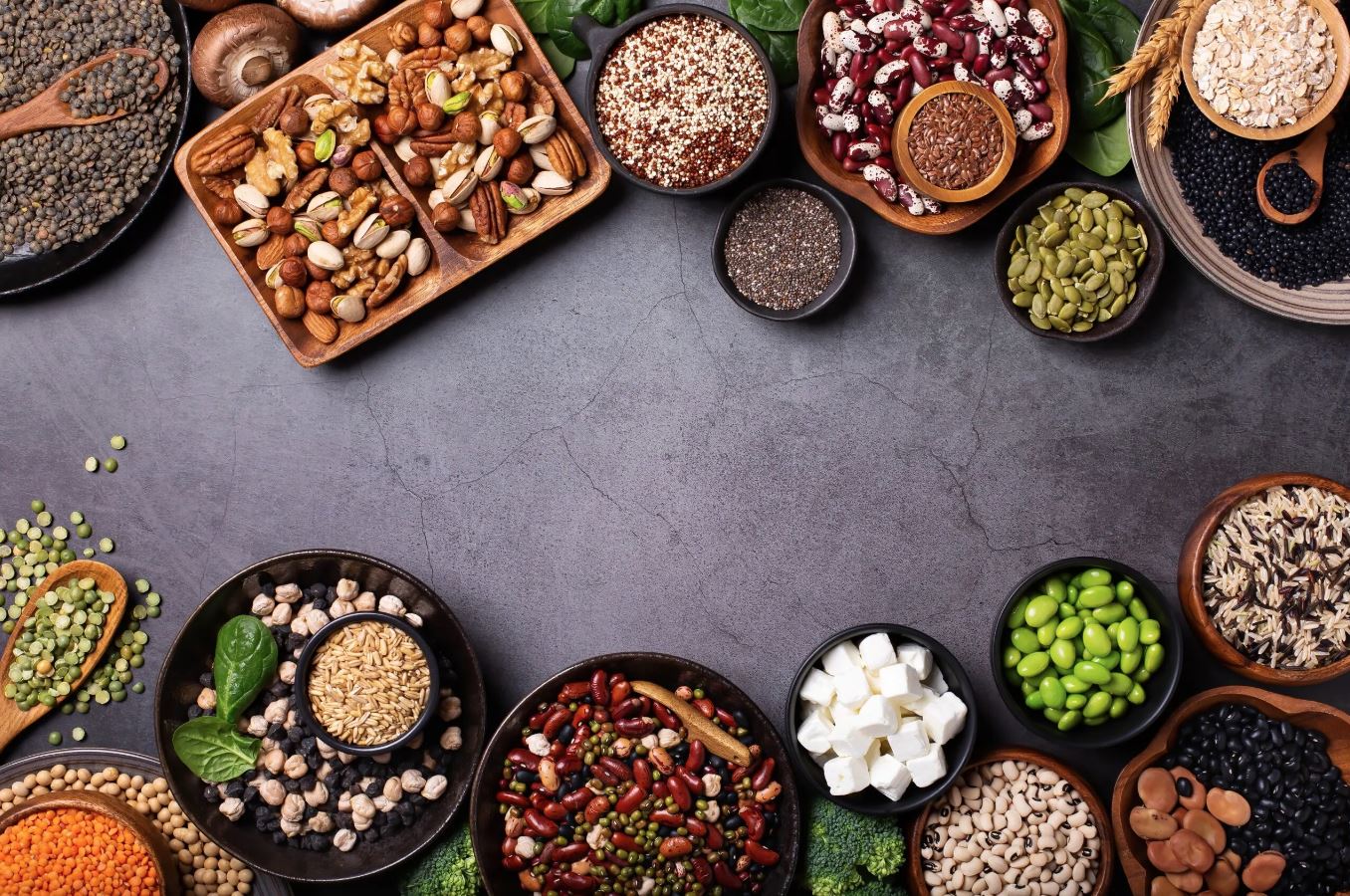
The diverse sources of nourishment that spare land and water while keeping kitchens creative and satisfied
Why a wider pantry of proteins matters
Global demand for protein climbs with population growth and rising incomes, yet land, water, and climate constraints limit how far old models can stretch, so a broader palette of protein sources allows families to meet nutrition needs with less strain on ecosystems, and it gives cooks more textures and flavors to shape into meals that feel abundant rather than restricted.
The spectrum from plant fields to microbial vats
Alternative proteins are not a single idea, they include crops rich in amino acids, microbial biomass grown with careful fermentation, aquatic plants that thrive in brackish ponds, insects raised with minimal space, and specialty molecules brewed by designed microbes, and this spectrum lets regions choose sources that suit climate, culture, and infrastructure.
Legumes as anchors of accessible protein
Beans, lentils, chickpeas, cowpeas, and fava enrich diets with protein, iron, and fiber while fixing nitrogen in soils, which reduces fertilizer needs and raises farm resilience, and when cooks soak, sprout, or pressure cook these seeds, they shorten kitchen time, tame antinutrients, and unlock gentle sweetness that pairs well with spices and herbs.
Grain and seed complements that balance amino acids
Cereals tend to lack lysine while many legumes skimp on methionine, yet when rice meets mung, or when maize meets beans, or when oats meet peas, the full profile emerges, and this dance appears across cultures because people learned by taste and energy that combined staples feel complete and steady.
Whole cut experiences from plant structures
Chew matters as much as nutrition, so cooks and engineers form layered fibers from plant proteins using heat, moisture, and shear, then season and sear to build crust and aroma, and simple home methods can echo this craft with marinated slabs of tofu pressed and griddled, or with jackfruit that shreds and soaks up sauces without heaviness.
Microbial biomass as a quiet powerhouse
Yeasts, fungi, and certain bacteria grow quickly on sugar streams or on other approved substrates and deliver protein with balanced amino acids and pleasant umami, and when textured and gently seasoned, these bodies of cells offer cutlets, crumbles, and spreads with short ingredient lists and strong culinary flexibility.
Mycelium that grows into shape
Filamentous fungi weave networks that set into tender blocks during growth, which allows producers to harvest pieces with natural alignment and moisture, and cooks can pan crisp slices, steam buns, or stew chunks in broth without long marination, since the matrix already carries savory depth from fungal metabolism.
Algae and sea vegetables that drink sunlight and minerals
Spirulina and chlorella supply concentrated protein and vitamins, while kelp and other sea greens bring iodine, fiber, and gentle marine notes, and coastal farms can grow these crops without freshwater or fertilizer, which creates livelihoods near shorelines and offers new textures to salads, soups, and noodles.
Insects as regional champions of thrift
Crickets, mealworms, and black soldier fly larvae convert feed into edible protein with impressive efficiency, they require little land and water, and flour made from these sources blends into tortillas, cookies, or savory snacks where mild nuttiness supports spices, though clear labeling and careful allergen practices remain essential for trust and safety.
Egg like and dairy like functions without animals
Bakers and sauce makers rely on foaming, gelling, and emulsifying, and plant derived proteins from peas, fava, lupin, or pumpkin can deliver these properties when pH and heat are managed with care, while oils chosen for clean taste and oxidative stability stand in for yolk lipids, and fermentation derived proteins add precision where recipes demand it.
Flavor development that celebrates origin
Trying to hide plant or fungal character often leads to fatigue, so modern recipes highlight natural notes with acids, herbs, smoke, and gentle browning, and cooks treat each base with respect, for example chickpea warmth welcomes cumin and lemon, mycelium enjoys thyme and garlic, algae pairs with sesame and ginger, and each combination tells a story rather than an imitation.
Nutrition science that checks the details
Protein quality depends on digestibility and amino acid pattern, so teams measure true values rather than assume, antinutrients drop with soaking, sprouting, fermentation, and proper heat, minerals bind less tightly when recipes add vitamin C or when fermentation frees them, and thoughtful blends reach targets for children, athletes, and elders without excess sodium or sugar.
Gastrointestinal comfort and gradual change
Sudden jumps in fiber or new oligosaccharides can unsettle digestion, so people shift intake over weeks, drink water, and cook beans thoroughly, and manufacturers precondition proteins through enzymes or fermentation to reduce beany volatiles and to ease tolerance, which helps new habits stick without discomfort.
Environmental accounting that avoids shortcuts
Reliable comparisons include farm inputs, transport, processing energy, cold storage, and packaging, and results vary by region and technology, yet many alternative routes show clear gains in land and emissions per gram of protein, especially when renewable power and efficient drying are used, and when byproducts are captured for feed or for soil amendments.
Supply chain design that favors many crops
Diversity builds resilience, so contracts that include peas, lentils, sunflower, and fava give farmers rotation options that nurture soil and break pest cycles, local mills fractionate grains and legumes into flours and concentrates, and logistics match harvest windows to plant schedules so that freshness and yield remain high with minimal waste.
Affordability through scale and simplicity
Cost falls when recipes avoid rare inputs and when lines share formats across flavors, community kitchens and cooperatives can launch bulk staples that families trust, and public buyers such as schools and hospitals can stabilize demand with menus that alternate classic dishes with modern bowls that feature legumes, grains, and greens in generous portions.
Allergen stewardship and clear language
Some plant proteins cross react for people with peanut or tree nut sensitivities, soy and wheat remain common allergens, and insect sources can trigger responses in those with shellfish allergy, so labels state ingredients plainly, facilities validate cleaning, and brands offer variety so that everyone can find safe options without isolation at the table.
Cold chain needs by product type
Dry concentrates store easily with low energy, fresh mycelium and algae prefer refrigeration, and ready meals with alternative proteins benefit from quick chilling and thoughtful packaging that limits oxygen, and when each format meets its storage needs, shelf life lengthens and waste shrinks across the route from plant to plate.
Culinary blueprints for home cooks
A simple weekly plan might use a pot of lentils for soup on day one and for patties on day three, marinated tofu sheet pan dinners with vegetables on day two, mycelium stir fry on day four, quick pasta with pea protein crumble on day five, and a sea vegetable rice bowl on day six, with leftovers wrapped for lunches, which keeps variety high and labor low.
Restaurant strategies for flavor and speed
Kitchens succeed when mise en place includes precooked beans, seasoned crumbles, and seared cutlets ready for final finish, sauces highlight acid and fresh herbs, and the grill or plancha brings smoke and crust that guests love, while cross training staff on portioning prevents overuse and protects margin without shrinking satisfaction.
Education that moves with taste buds
Menu descriptions lead with sensory language rather than virtue, tasting flights let diners compare textures and sauces, and cooking classes teach soaking, seasoning, searing, and storage, so curiosity turns into confidence and repeat purchases follow naturally.
Policy and procurement as quiet catalysts
Standards that include plant forward options in public programs, research funding for crop breeding and fermentation efficiency, and support for regional mills and cold rooms all accelerate adoption, while clear guidance on names and labeling helps shoppers navigate shelves without confusion.
Breeding for flavor, function, and resilience
New lines of peas, fava, lupin, and sunflower are being selected for mild flavor, high solubility, strong gel strength, and drought tolerance, and when breeders collaborate with chefs and processors, traits that matter in the pan rise alongside yield and agronomy, which shortens the path from field to beloved meal.
Texture science that respects the kitchen
Proteins unfold and realign under heat and shear, starches gel and retrograde, and small shifts in pH, salt, and moisture decide whether a patty stays juicy or turns dry, so developers map these zones and share clear directions on sear time, rest, and slicing that help line cooks and home cooks hit the sweet spot without guesswork.
Food culture as the true engine of change
People embrace new staples when they feel like extensions of tradition, red lentil dumplings sit comfortably beside beloved stews, chickpea flatbreads carry local toppings, mycelium tacos pick up salsa and lime with ease, and sea greens slip into miso and noodle bowls where they taste at home, so culture leads and innovation follows with respect.
Equity and access across the table
Alternative proteins only succeed when price and availability meet everyday budgets, so sliding scale community markets, bulk dry goods, and simple school recipes matter as much as headlines, and support for small producers and minority owned brands keeps the field diverse and resilient.
Measurement that stays honest over time
Companies report energy use per kilogram of protein, water consumed and returned, ingredient miles, and product loss rates, then publish progress with methods so that peers and researchers can compare apples to apples, and this transparency builds trust that outlasts trends.
Pairing new proteins with climate goals
Menus that shift a portion of animal intake to legumes, fungi, and algae reduce pressure on grasslands and fisheries, and when farms adopt rotations and low disturbance methods, carbon stays in soil, water runs clearer after storms, and landscapes gain birds and pollinators that cheer every morning shift.
Future frontiers worth watching
Salt tolerant legumes for coastal farms, desert adapted pulses for arid regions, algae grown with renewable power and gentle drying, and microbial strains that snack on side streams from mills or fruit plants all promise broader supply with lighter footprints, and each advance should be judged by flavor, safety, price, and joy at the table.
A table wide enough for many harvests
Alternative proteins invite a generous view of nourishment, one that keeps favorite recipes alive while adding new textures and stories, and if cooks, farmers, scientists, and neighbors build this pantry together with care, the result will be plates that feel full, budgets that feel sane, and landscapes that keep giving through seasons yet to come.