

The Quiet Revolution Inside the Lab Dish
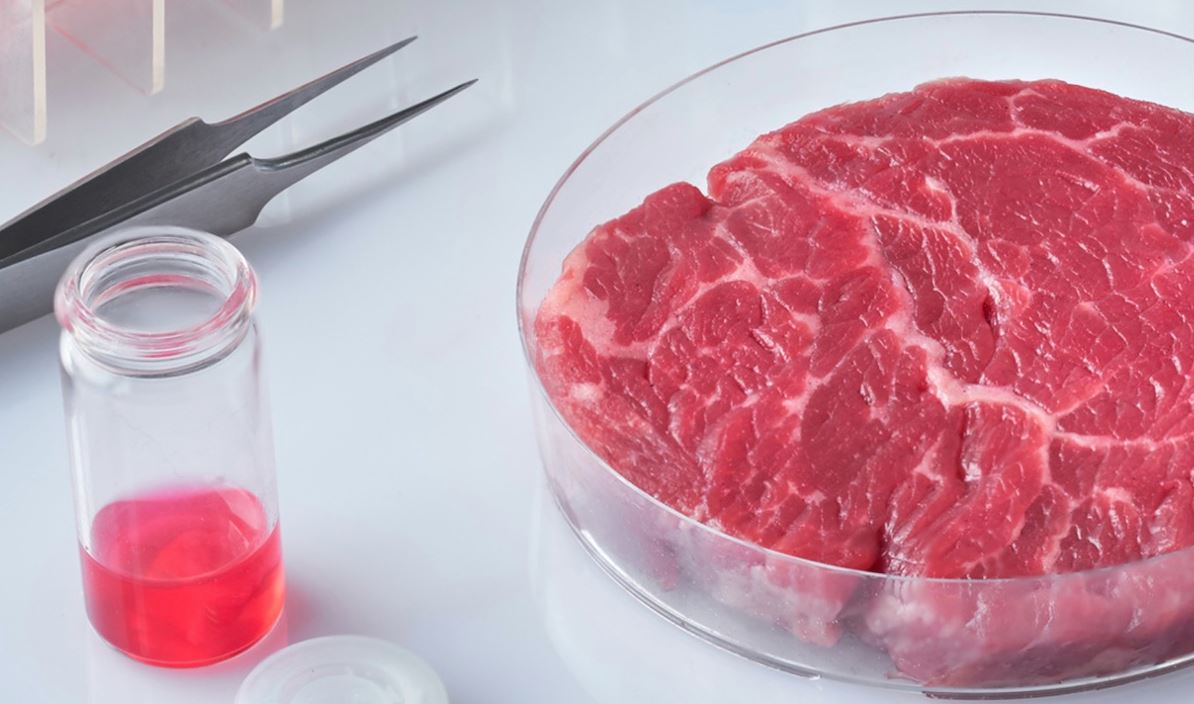
The cell cultivation is transforming the meaning of meat and the ethics of abundance
Origins of a new kind of harvest
Inside a transparent bioreactor, small clusters of animal cells multiply under gentle warmth, suspended in nutrient rich liquid that mirrors the composition of blood plasma without using any animal at all. This controlled environment marks the beginning of what many researchers call the second domestication, where humanity cultivates meat itself rather than the creatures it once raised for slaughter. Early prototypes of cultured meat appeared in universities as scientific curiosities, but advances in cell line stability, scaffolding materials, and serum free growth media have turned the concept into a practical route for feeding large populations while easing strain on ecosystems.
The science that sustains the illusion of muscle
Creating a piece of cultured meat means replicating the natural architecture of animal tissue, which requires precise coordination among muscle cells, fat cells, and connective fibers. Scientists isolate stem cells that can differentiate into these specialized forms, then seed them on porous scaffolds that allow oxygen and nutrients to flow freely. Growth factors signal each cell to mature in harmony, producing the characteristic texture that people associate with familiar cuts of meat. The process mimics nature’s blueprint without reproducing the entire animal, and this focus on essential structure allows fine tuning of flavor, tenderness, and nutritional content in ways traditional farming never could.
Scaffolds that shape the experience of eating
Texture defines how consumers perceive authenticity, so materials scientists invest heavily in scaffolding design. Edible frameworks made from algae, soy protein, or even cellulose provide the physical foundation for muscle cells to align and contract as they grow. Some companies experiment with three dimensional printing to control fiber orientation, resulting in products that tear and chew like conventional steak. The scaffold gradually degrades or integrates into the tissue, leaving a seamless bite that feels entirely natural. By adjusting stiffness or porosity, engineers can produce variations from lean fillets to marbled textures, broadening the creative palette for chefs and manufacturers.
Replacing serum with plant based intelligence
Early cultured meat relied on fetal bovine serum to nourish cells, a dependency that contradicted the ethical promise of the technology. Researchers have since developed plant based alternatives using growth factors synthesized by yeast or bacteria, combined with amino acids and vitamins derived from crops. These formulations provide consistent nutrition while removing animal derived ingredients, ensuring that the process aligns with cruelty free principles. The switch also stabilizes costs and enhances scalability, since bioreactors can now operate without relying on a volatile agricultural supply chain. Each refinement brings the dream of accessible cultured meat closer to everyday reality.
Flavor as an evolving craft
Taste arises from complex chemistry, and replicating it requires both science and art. Muscle fibers in cultured meat produce natural proteins that generate savory aromas when heated, but fat plays an equally vital role in releasing flavor molecules. Scientists grow adipocytes alongside muscle tissue or blend cultivated fat post harvest to achieve the right mouthfeel and aroma. Some startups fine tune the ratio of fatty acids to resemble beef or poultry, while others introduce subtle enhancements through fermentation, yielding unique profiles unavailable in conventional meat. The outcome is not a replica but a new culinary category born from precision control over biology.
Energy footprints and environmental comparisons
Traditional livestock farming demands vast land, water, and feed resources, producing significant methane and carbon dioxide emissions. Cultured meat, by contrast, removes the need for grazing and feed cultivation, potentially reducing emissions and water use dramatically. However, the bioreactors that sustain cell growth consume electricity for heating, cooling, and mixing, so the environmental advantage depends on renewable energy integration. Studies show promising reductions when facilities operate on solar or wind power, suggesting that clean energy will determine the true sustainability of this technology. The ability to localize production within urban areas also minimizes transportation emissions, reshaping food distribution networks toward efficiency and resilience.
Economics of scale and cost evolution
When the first cultured burger debuted, its cost exceeded hundreds of thousands of dollars due to labor and custom reagents. In less than a decade, improved bioreactor design and automation have slashed expenses, transforming experimental prototypes into viable commercial products. Scaling now focuses on reducing media costs and improving cell density within growth vessels. Modular production units enable local facilities to replicate output rapidly without constructing massive plants, a flexibility that mirrors the decentralization seen in craft breweries. Economists predict that once input prices reach parity with poultry feed equivalents, cultured meat will compete directly with midrange cuts, expanding its reach beyond luxury markets.
Regulatory frameworks and public trust
Government agencies play a crucial role in defining how cultured meat enters markets. Authorities assess food safety, labeling, and environmental impact to ensure consumer protection. Singapore led approvals with the first restaurant serving cultured chicken, followed by regulatory developments in the United States and Israel. Transparency remains vital for public trust, so producers publish data on nutrient profiles, allergen risks, and traceability systems. Independent audits and standardized certifications will help bridge the gap between laboratory novelty and supermarket familiarity, enabling consumers to understand precisely what they are eating and how it was made.
Perceptions and cultural dialogues
For some diners, cultured meat symbolizes progress and compassion, while others question its authenticity or naturalness. Food culture intertwines with identity, memory, and ritual, so acceptance varies by region and generation. Communication strategies that emphasize shared values such as environmental stewardship and food security often resonate more than technical explanations. Chefs who integrate cultured meat into traditional dishes help audiences experience it through comfort and nostalgia rather than disruption. As awareness grows, culinary narratives will determine whether people see this innovation as futuristic science or as the logical continuation of humanity’s long adaptation to resource limits.
Architectures of the new food factory
Facilities for cultured meat resemble clean rooms more than barns, combining biotechnological precision with food grade sanitation. Rows of stainless steel bioreactors connect through sensors that track temperature, nutrient flow, and pH, all governed by digital control systems that adjust conditions automatically. The quiet hum of pumps replaces the noise of livestock yards, and the absence of waste runoff eliminates much of the odor and contamination historically linked to meat processing. Engineers design these spaces for modular expansion, allowing cities to build compact protein hubs that supply neighborhoods directly, reducing logistics while maintaining freshness.
Integrating circular economy principles
Beyond efficiency, cultured meat production offers opportunities to close loops within broader food systems. Nutrient media can be derived from agricultural byproducts such as corn steep liquor or potato peels, while residual materials from bioreactors can feed microbial fermentation for flavor enhancers or fertilizers. Some startups integrate water recycling systems that reclaim nearly all moisture lost through evaporation. These feedback loops transform facilities into symbiotic ecosystems rather than isolated factories. Such integration demonstrates that the innovation is not just about creating new meat but about reimagining the metabolism of the entire food industry.
Designing for sensory authenticity
Eating is a multisensory experience that involves sound, color, aroma, and even temperature gradients within each bite. Researchers study how light scattering and moisture retention influence the pink hue and sizzle that signal doneness in traditional meat. Advances in bioprinting now allow layering of muscle and fat tissues to recreate marbling patterns that melt during cooking. Controlled oxidation produces the slight caramelized crust known as the Maillard reaction, ensuring visual and aromatic satisfaction. These refinements reveal how craftsmanship and engineering merge to replicate familiar sensations, turning laboratory cultivation into culinary artistry.
Ethical frameworks in a post livestock world
Debates about cultured meat extend beyond animal welfare into philosophical territory about humanity’s relationship with life itself. Removing animals from the equation eliminates suffering and slaughter, but it also raises questions about stewardship and the value of biological diversity. Some ethicists argue that if society reduces dependence on traditional herds, it must still conserve heritage breeds to maintain ecological balance. Others suggest that cell lines could preserve genetic diversity digitally, storing potential for revival if ecosystems require it. These discussions signal a shift from extraction toward guardianship, reflecting a deeper ethical maturity within modern food production.
Global access and equity concerns
While the technology promises sustainability, its benefits will only reach the world if pricing and infrastructure become inclusive. Wealthier nations may adopt cultured meat quickly, but developing regions require investment in training and local manufacturing to prevent dependency. Partnerships between research institutions and community cooperatives can distribute technical knowledge while adapting recipes to local tastes. Affordable bioreactor kits and open source culture media recipes could democratize production in rural areas. The success of cultured meat will ultimately depend on fairness, ensuring that environmental progress does not reproduce the inequalities it seeks to solve.
Intersection with traditional agriculture
Cultured meat does not erase the need for farms but changes their purpose. Instead of raising animals for slaughter, farmers may supply crops for growth media or manage renewable energy systems that power urban bioreactors. This transition opens new income streams while reducing exposure to volatile feed and climate disruptions. Hybrid models, where cultured and conventional meats coexist, can ease market adjustments and respect cultural preferences. Collaboration between biotechnology firms and farming communities ensures that progress strengthens rather than replaces livelihoods, weaving innovation into rural economies rather than cutting them out.
Consumer education and storytelling
Education plays a pivotal role in normalization, and storytelling remains its most effective vehicle. Documentaries, tasting events, and transparent kitchen demonstrations invite audiences to witness the process from cell collection to plated meal. Visual metaphors that liken bioreactors to greenhouses for meat resonate more than technical jargon, reframing science as cultivation. Schools and universities incorporate cultured meat discussions into environmental studies, helping students view food systems as evolving ecosystems. As curiosity replaces skepticism, cultural narratives of abundance without harm will anchor public imagination and drive adoption organically.
Restaurant experimentation and culinary leadership
Avant garde chefs act as ambassadors for new ingredients, transforming technological breakthroughs into emotional experiences. Tasting menus featuring cultured meat allow guests to compare texture and flavor variations while learning about sustainability efforts behind each dish. These restaurants function as research spaces where sensory feedback informs product development. Once familiarity grows, mainstream chains can adapt recipes for casual dining, spreading acceptance through everyday encounters rather than special events. Gastronomy thus becomes the translator between scientific achievement and cultural embrace, shaping the first generation of meals grown entirely outside the animal body.
Public discourse and labeling transparency
Language influences perception, so regulators and marketers debate what to call this new food. Terms such as cultivated, cell based, or lab grown each carry distinct emotional tones. Clear labeling builds honesty while allowing consumers to make informed decisions. Misleading terminology risks backlash that could stall progress, so collaboration between linguists, consumer psychologists, and policy makers is vital. The conversation about naming is more than semantics; it defines how society integrates scientific innovation into everyday life, balancing excitement with clarity and responsibility.
Architects of taste and the next frontier
Beyond replication, cultured meat allows reimagination. Scientists can manipulate cell metabolism to enhance nutritional profiles, adding omega fats or reducing cholesterol naturally within the tissue. Novel species such as kangaroo or fish varieties could be grown without ecological disturbance, introducing new flavors to global markets. By decoupling meat from geography, culinary diversity expands without the constraints of habitat or season. The horizon stretches toward creative abundance, guided by precision rather than exploitation, suggesting that humanity’s next feast may also be its most mindful.
A table rewritten by science and compassion
In laboratories across the world, the ancient story of hunting and herding is giving way to cultivation within glass and steel. Every cell grown represents a promise that nourishment and ethics can coexist without conflict. The journey toward cultured meat continues through research, debate, and shared curiosity, revealing that progress in food is not just about invention but about intention. When science aligns with empathy, the result is not artificial but profoundly human, a meal that feeds both body and conscience with equal grace.