

Every Bite Counts Twice
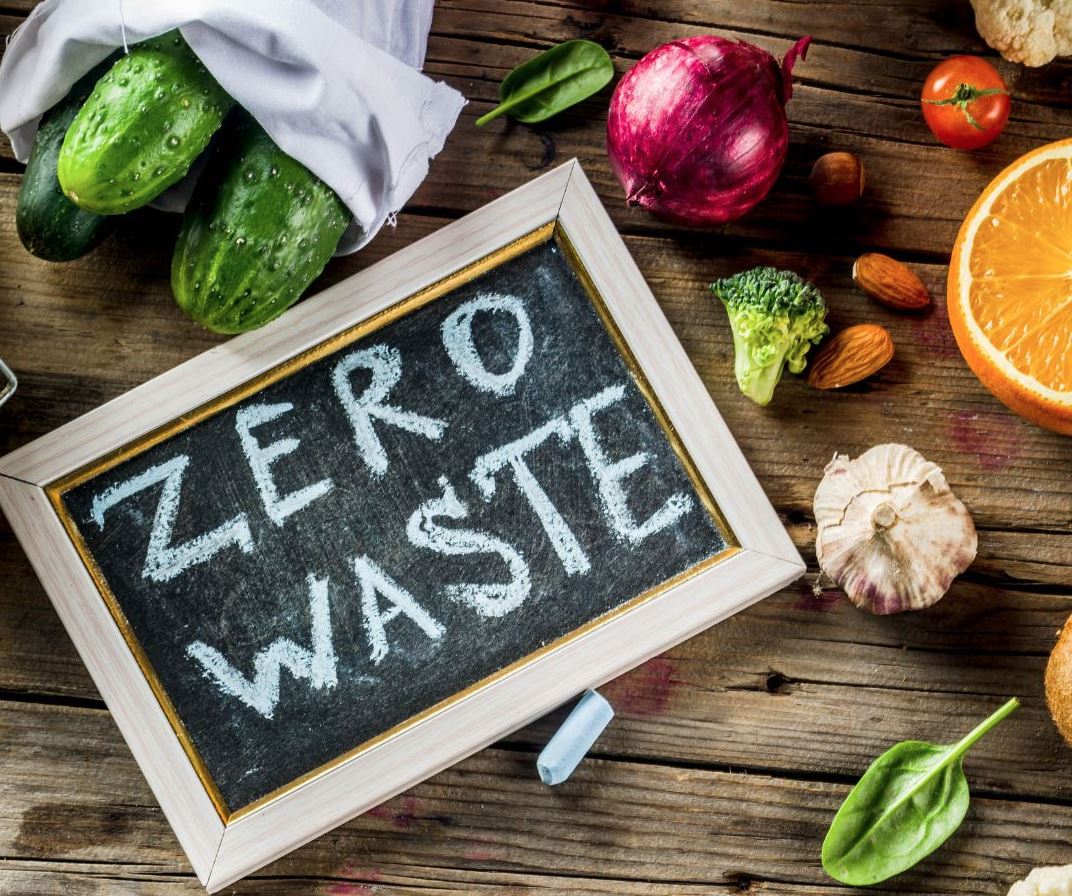
Smarter habits, better design, and clear data can turn loss into nourishment across farms, kitchens, and cities
The size of the problem hidden in plain sight
Much of the food grown for people never reaches a plate, some is left in fields because harvesting costs exceed market price, some degrades in storage because temperature control falters, some sits on shelves until dates confuse shoppers, and some leaves restaurants as plate scrapings that nobody planned to manage, which means money, water, and energy vanish along with nutrition that communities could use.
Harvest choices that leave less behind
Growers can reduce field loss by planning staggered harvests, negotiating flexible specs that accept natural variation, and using mobile crews for second picks after the first market run, while local processors and gleaning groups collect remaining produce for freezing, canning, or donation, and these steps keep edible crops in circulation and turn variable supply into stable goods.
Storage science that protects quality
Temperature and humidity control slow respiration and preserve texture, precooling removes field heat before storage, airflow patterns prevent hot spots, and liners that manage moisture reduce shriveling or mold, all of which help produce last longer without resorting to heavy packaging, and sensors that log conditions create accountability for every hour between harvest and sale.
Forecasting that matches supply to appetite
Simple models that use recent sales, weather, and events help producers and retailers order more precisely, safety buffers remain but shrink as confidence grows, and items with short life get smaller batches while staples with steady demand get regular refills, which lowers markdowns and emergency disposal.
Date labels that speak clearly
Shoppers face a maze of phrases that often signal quality rather than safety, a single standard such as best if used by for quality and use by for safety removes guesswork, and pairing labels with storage tips keeps food in the fridge or pantry longer while avoiding risk, so families throw away less and feel confident about what they serve.
Packaging that preserves without excess
Right sized containers with firm reclose features protect leftovers and reduce drying, breathable films slow moisture loss for produce, and portion packs help small households use food before it spoils, while clear disposal instructions keep materials in the correct bin so that environmental gains from less waste do not come with new burdens elsewhere.
Menus designed for full use of ingredients
Restaurants can rotate specials that consume trimmings from the prep table, soup stocks from bones and stems, and day old bread turned into crumbs or puddings, and cross trained staff learn to portion accurately so that plates return empty more often, which saves cost while adding variety that regulars enjoy.
Portion guidance that respects appetite
Offering half sizes, kids sizes, and mix and match plates gives guests control, servers trained to describe portions honestly help customers right size orders, and take home boxes that seal well encourage safe storage and next day enjoyment, which prevents loss without reducing hospitality.
Inventory habits that prevent surprise spoilage
First in first out rotation, labeled containers with prep dates, and weekly audits of coolers and dry storage reveal what needs urgent use, digital logs with simple color codes guide cooks during busy service, and small batch prep of high risk items keeps freshness high even when demand fluctuates.
Home kitchens as engines of prevention
Households cut waste by planning meals before shopping, using flexible recipes that swap vegetables or proteins with what is already on hand, freezing leftovers in single servings for quick lunches, and learning simple preservation techniques like pickling and quick jams, while keeping a visible eat me first box in the fridge ensures that aging items become dinner rather than trash.
Schools and cafeterias that teach by doing
Serving lines that allow students to choose sides reduce untouched items, taste tests build acceptance for new vegetables, share tables let unopened items move to hungry classmates within safety rules, and monthly reporting of plate waste turns the lunchroom into a classroom where data guides menus that kids actually eat.
Technology that turns data into action
Smart scales at prep stations measure trimmings and overproduction, dashboards display top drivers of loss by station and shift, and alerts highlight patterns that training can fix, while consumer apps organize fridge contents and suggest recipes from what needs to be used, making decisions easier for cooks under time pressure.
Donations that move fast and safely
Clear rules for time and temperature, rapid cooling of hot items, and dedicated pickup windows allow retailers and restaurants to donate surplus while meeting health codes, and regional hubs with cold storage aggregate many small donations into consistent loads for shelters and pantries, which gets ready to eat food to people who need it with minimal delay.
Upcycling as a second line of defense
When items no longer fit fresh channels, drying, milling, fermenting, and freezing can convert them into stable ingredients, spent grain becomes baking flour, soft fruit becomes purees and leathers, and trimmed greens become sauces and dumpling fillings, which extends the life of nutrition and supports new products with appealing stories.
Composting as a last resort with benefits
Not every item can be rescued, so clean organics collection and composting return carbon to soil, paired with education that keeps plastics and glass out of the bin, and farmers who apply finished compost see improved structure and water retention, which closes the loop and reduces the fertilizer needed for future harvests.
Cold chain discipline from door to door
Delivery routes that minimize stops for perishables, insulated totes with phase change packs sized to season, and quick scanning at receiving docks keep temperatures steady, while store displays that are attractive but not overfilled reduce warm time, and this quiet discipline adds days of life across a network.
Retail strategies that reward the right choice
Dynamic pricing for near date items, recipe cards beside bundles of produce with minor blemishes, and clear signage that celebrates perfectly imperfect shapes invite shoppers to save money and food, while staff incentives for low shrink foster pride in careful ordering and handling.
Public policy that aligns incentives
Tax credits for donations, safe harbor laws that protect good faith donors, standardized date labeling, and grants for small cold rooms in corner stores move entire neighborhoods toward less waste, and programs that help schools and hospitals buy seasonal surplus give farmers a reliable outlet when gluts occur.
Measurement that turns goals into progress
Organizations should track kilograms discarded per guest or per dollar of sales, percentage of production donated, and value recovered through upcycling, and publish results quarterly to encourage accountability, while small teams can start with simple counts from waste audits and scale up as tools and time allow.
Cultural shifts that make leftovers desirable
Language shapes behavior, celebrating next day meals as planned overs rather than afterthoughts changes how families store and reheat food, social media that shares creative makeovers for cooked grains or roast vegetables normalizes reuse, and community potlucks that highlight rescued ingredients build pride in thrift.
Training that sticks when staff turns over
Restaurants and cafeterias often face high turnover, so short video modules on rotation, cooling, and labeling help new workers perform well on day one, refresher drills during slow periods keep skills fresh, and posting quick reference guides near sinks and prep tables makes the right move the easy move.
Designing products for the last spoonful
Containers with rounded corners, lids that scrape cleanly, and packets that open fully reduce residue, while clear fill lines prevent overportioning during prep, and household packages with transparent windows show remaining amounts so shoppers avoid buying duplicates that will sit unused.
Ecommerce and delivery without extra loss
When customers order online, substitution rules that prefer similar items in size and shelf life prevent unwanted products from languishing, algorithms that respect household size guide pack sizes, and accurate delivery windows reduce time on doorsteps in hot weather, which all protect quality and reduce returns.
Community fridges and mutual aid
Shared refrigerators in apartment lobbies, campuses, and community centers allow neighbors to leave sealed items they will not use and pick up what they need, volunteers monitor dates and cleanliness, and local growers contribute seconds after market close, creating a simple system that turns extra into dinner with dignity.
Education beginning in early grades
Kids who learn to cook simple dishes, measure portions, and store food safely carry those skills for life, school gardens that feed cafeterias teach seasonality and respect for harvest, and math lessons that use waste audit data make numbers relevant and memorable.
Finance that counts hidden costs and savings
Waste looks cheap when disposal fees are flat, but when teams add labor, ingredients, energy, and lost sales from empty shelves, prevention pays quickly, and pilots that target one high loss item often return savings within weeks, which builds momentum for broader programs.
Equity and access as part of the solution
Communities without reliable refrigeration or nearby markets face higher spoilage and fewer choices, investment in neighborhood cold storage, mobile markets, and fair transit access reduces loss and improves diets, and aligning waste reduction with food security creates shared purpose that attracts volunteers and funding.
Celebrating success to sustain effort
Publishing monthly wins, thanking staff who suggested changes, and sharing recipes from rescued ingredients keep teams engaged, while recognition from local press and community groups raises the profile of businesses and schools that commit to thoughtful stewardship of food.
A future where plates and planet both feel full
Food waste reduction is not a single invention, it is a thousand careful choices made by growers, drivers, cooks, clerks, and families, and when each choice nudges a carrot, a loaf, or a carton toward a meal instead of a bin, the savings add up to cooler kitchens, quieter landfills, healthier budgets, and neighbors who eat well together, which proves that every bite can indeed count twice.