

Where Water Grows Food And Fish
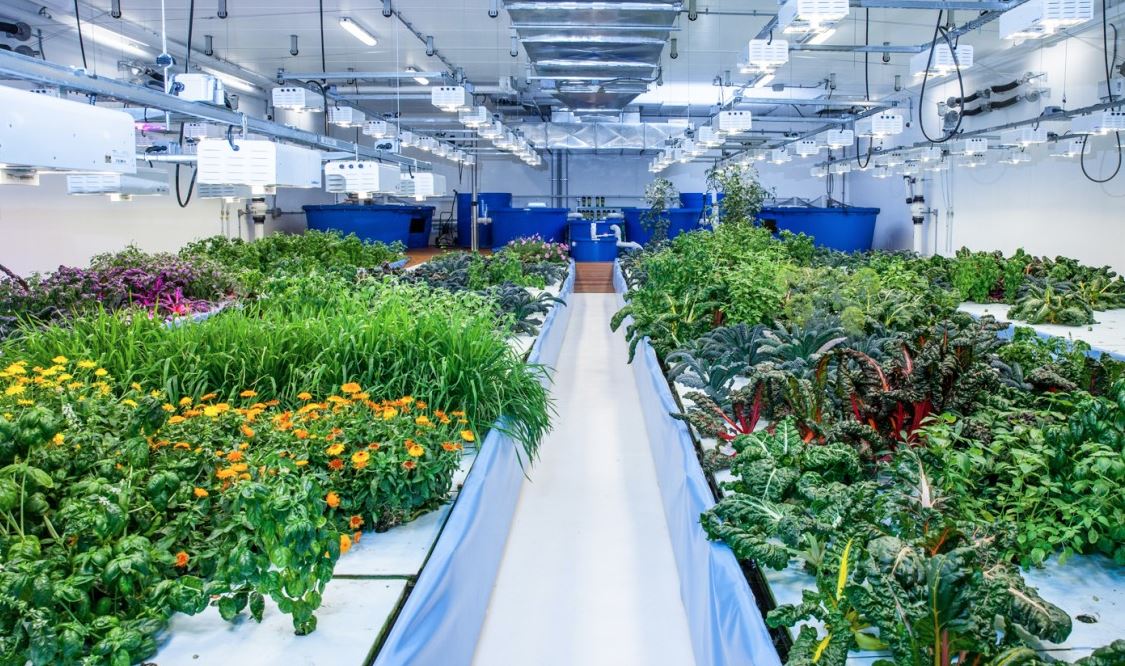
The intertwined design of aquaponic ecosystems that feed cities with efficiency, biology, and balance
How water became the soil of the future
As population rises and fertile land shrinks, growers turn to systems that grow plants and fish together in continuous cycles where waste from one becomes nutrition for the other. Aquaponics blends aquaculture and hydroponics into a single loop where fish excrete ammonia, bacteria convert it to nitrates, and plants absorb those nitrates while returning clean water to the tanks. This closed relationship saves water, reduces chemical use, and produces both protein and vegetables within compact spaces that fit urban rooftops, warehouses, or even repurposed shipping containers.
Three biological pillars that hold the system together
The first pillar is the fish, which supply ammonia rich waste through respiration and excretion. The second pillar is the microbial community that lives on surfaces within the system, quietly transforming toxic compounds into plant available nutrients. The third pillar is the plant root zone where absorption and oxygenation complete the cycle. When all three remain in balance, the ecosystem stabilizes itself, but if one pillar collapses through poor management or imbalance, the loop falters and water quality, plant growth, and fish health decline together.
The nitrogen transformation as the invisible engine
Fish produce ammonia that accumulates in the water, and in natural ponds bacteria convert it to nitrite and then to nitrate through nitrification. In aquaponic setups, nitrifying bacteria such as Nitrosomonas and Nitrobacter colonize biofilters, gravel beds, and even plant roots. They need oxygen and stable temperature, so aeration and water movement matter as much as feeding schedules. As these microbes digest ammonia, they generate nitrate, a safer and preferred nitrogen form for most plants. The pace of conversion depends on surface area, pH balance, and the richness of dissolved oxygen, all tuned to sustain continuous flow between tanks and grow beds.
Design choices that shape productivity
Different layouts suit different scales. Media bed systems use gravel or clay pellets to support roots and host bacteria, offering simplicity and resilience. Nutrient film technique channels circulate thin films of water that bathe roots while maximizing oxygen, ideal for leafy greens. Deep water culture floats rafts of plants on nutrient rich ponds where roots dangle freely, efficient for large scale lettuce or basil production. Hybrid systems blend these approaches to balance stability, yield, and maintenance ease, while modular design allows future expansion without disrupting existing biology.
Fish species selected for compatibility and purpose
Tilapia remains a favorite for its tolerance to variable conditions, rapid growth, and omnivorous appetite, but other species serve specific climates and markets. Catfish thrive in warmer zones, trout suit cooler setups, and ornamental koi or goldfish add aesthetic value in educational or community projects. Feeding regimes follow protein needs and temperature, since overfeeding loads water with waste while underfeeding weakens growth. The right ratio of fish biomass to plant area keeps ammonia within safe limits and ensures steady nutrient output without stressing the aquatic population.
Plants that thrive in water based systems
Leafy greens such as lettuce, spinach, kale, and herbs adapt well to aquaponics because they demand moderate nutrients and grow quickly. Fruiting plants like tomatoes, peppers, and cucumbers can flourish too, but they need stronger lighting and nutrient concentrations. Root crops such as carrots struggle because media beds limit expansion. Some experiments with rice and aquatic vegetables like water spinach show promising results for tropical designs. Success depends on matching crop choice with system maturity, since young systems with incomplete bacterial colonies often lack sufficient nitrates for high demand plants.
The microbial bridge between fish and plants
Beneath the visible loop lies a world of biofilms clinging to every surface. These microbial mats host nitrifiers, heterotrophic decomposers, and even protozoa that regulate populations. Their combined metabolism stabilizes water chemistry by processing uneaten feed and fine organic matter. In new systems, bacteria establish slowly, and growers often seed filters with cultured biofilms or water from mature systems to jump start the nitrogen cycle. Once established, the microbiome maintains equilibrium better than any mechanical control because it adapts naturally to minor changes in waste load and temperature.
Maintaining harmony in water chemistry
pH sits at the crossroads between fish, plants, and bacteria. Fish prefer neutral to slightly alkaline water, plants prefer slightly acidic conditions, and nitrifying bacteria perform best near neutral. Managers balance these competing needs around a compromise pH of 6.8 to 7.0, adjusting gently with calcium or potassium buffers. Temperature and dissolved oxygen follow similar compromise principles, kept between 20 and 28 degrees Celsius with constant aeration. Sudden shifts in any parameter can trigger cascading stress, so stability, not perfection, defines successful aquaponic management.
Feeding cycles and the rhythm of waste production
Fish metabolism links directly to system nutrition. Feeding schedules vary with age, species, and temperature, yet the principle remains that consistent feeding builds a predictable waste pattern. Automatic feeders release small portions throughout the day to prevent oxygen depletion and uneaten residues. Settling tanks and mechanical filters catch solids before they clog roots, while gentle aeration keeps fine particles in suspension long enough for bacteria to work. This rhythmic feeding keeps nutrient availability stable for plants, eliminating the feast and famine cycles that plague poorly timed systems.
Energy flows and resource loops
Pumps move water, aerators maintain oxygen, and lights drive photosynthesis, so energy efficiency becomes a central concern. Renewable energy integration with solar panels or biogas units reduces operating costs and carbon footprint. In some community projects, waste heat from nearby factories warms water during winter, and rainwater harvesting supplies make up for evaporation. Closed loops that recover energy or materials from outside processes demonstrate how aquaponics fits into circular economy frameworks, blending ecology and engineering into tangible practice.
Urban applications and architectural integration
Compact aquaponic systems transform unused rooftops, warehouses, and basements into production centers. In high density cities, they shorten supply chains and deliver fresh greens daily to nearby stores and restaurants. Architects experiment with building integrated greenhouses that reclaim graywater, filter air through plant beds, and use nutrient rich water to grow herbs beside office spaces. In these designs, food production becomes part of urban metabolism rather than a distant supply chain, reinforcing the connection between resource cycles and community health.
Educational and social impact
Schools adopt aquaponic setups to teach biology, chemistry, and sustainability through observation of living cycles. Students monitor pH, test for nitrates, and learn systems thinking by adjusting feeding and lighting. Community centers use aquaponics to demonstrate food security solutions and to create small businesses that sell greens and fish locally. These installations cultivate awareness of ecological interdependence and encourage careers that merge science with stewardship, proving that agriculture can be both technological and human centered.
Economic considerations from backyard to commercial scale
At small scale, startup costs include tanks, pumps, media, and grow lights, which can be built from recycled materials. Commercial farms invest in automated monitoring, backup power, and climate control. Profitability hinges on market access, product choice, and labor efficiency. High value crops like basil or specialty lettuce offset operational expenses better than bulk staples. Restaurants and boutique grocers pay premiums for hyperlocal freshness, while integration with tourism, education, or sustainability branding provides secondary income streams that stabilize finances over the long term.
Monitoring with sensors and data platforms
Modern systems use digital sensors that record temperature, pH, dissolved oxygen, and electrical conductivity. Cloud dashboards visualize trends and alert growers before problems escalate. Automated dosing units add buffers or trace minerals as needed. This precision approach blends old biological wisdom with real time analytics, giving small operators the same level of control once reserved for industrial facilities. Data accumulation over seasons also supports research on nutrient flow optimization and crop to fish ratios that suit regional climates.
Challenges hidden within complexity
While aquaponics reduces chemical use and water waste, it demands continuous observation and technical literacy. Fish disease, power outages, or bacterial crashes can compromise the loop quickly. Scaling beyond pilot systems reveals bottlenecks in waste removal and nutrient consistency. Investors and policymakers often underestimate the skill required to maintain biological equilibrium. The future of aquaponics therefore depends not only on better hardware but also on better training and community knowledge networks that keep systems thriving through shared experience.
Climate adaptation through water based cultivation
Regions facing droughts or poor soil fertility adopt aquaponics because it uses up to 90 percent less water than conventional irrigation. Controlled environments reduce exposure to pests and extreme weather. In coastal areas where salinity threatens farmland, modified brackish systems raise tilapia or shrimp alongside salt tolerant greens. Each adaptation broadens the concept of what agriculture can be, extending cultivation into climates where traditional fields can no longer survive without heavy inputs.
Microbial diversity as a resilience factor
Diverse microbial communities resist disease and tolerate fluctuations better than monocultures. Researchers now identify beneficial consortia that enhance nutrient turnover and suppress harmful pathogens. Inoculating new systems with compost tea or biofilter media from mature farms increases functional diversity. This microbial insurance stabilizes performance across seasons and reduces reliance on antibiotics or synthetic additives, aligning aquaponics with organic and regenerative agriculture principles that prioritize long term soil and water health even when soil is absent.
Waste management and solid capture innovations
Mechanical filters remove larger particles before water reaches the plants, but capturing and reusing these solids adds another nutrient loop. Settled sludge can be composted, digested into biogas, or processed into liquid fertilizer for fruiting crops. Some farms experiment with vermifilters where worms consume the solids and produce castings rich in microbes. These integrated waste strategies prevent nutrient buildup in tanks and turn what was once waste into valuable input, closing another layer of the circular design.
Flavor and nutrition shaped by water chemistry
Because plants absorb nutrients directly from solution, their flavor and texture respond quickly to changes in balance. Lettuce grown in nitrate rich water tastes crisp and mild, while higher potassium levels deepen the color of basil leaves. Fish waste provides a spectrum of trace minerals often absent in conventional hydroponic formulas, producing complex taste profiles that chefs prize. Consumers who taste aquaponic produce often note its freshness and subtle difference in sweetness, a reflection of living nutrient cycling rather than static feeding.
Policy frameworks and regulatory pathways
Governments classify aquaponics inconsistently, sometimes under aquaculture, sometimes under hydroponics, and sometimes as experimental. Clear guidelines for water reuse, fish welfare, and organic certification remain evolving. Policymakers who recognize its dual yield and low footprint can integrate aquaponics into urban planning and food resilience programs. Subsidies for renewable energy, tax incentives for green roofs, or simplified licensing would help more operators move from prototypes to reliable food supply networks that serve local markets year round.
Research frontiers and innovations ahead
Scientists explore hybrid systems that include crustaceans, insects, or algae to diversify outputs and recycle nutrients even further. Genetic selection focuses on fish and plant varieties that thrive under shared water conditions. Machine learning models predict optimal feeding rates and harvest timing based on sensor data. Universities collaborate with startups to test modular kits for schools and disaster relief zones. Each advancement pushes aquaponics from novelty toward mainstream agriculture that can stand beside fields and greenhouses as an equal contributor to food security.
A blueprint for balance in motion
Aquaponics invites people to see farming as an ecosystem rather than a factory, a conversation between fish, plants, microbes, and human caretakers carried out through water. It asks for attention and respect but returns abundance that feels both ancient and futuristic. When the pumps hum, the roots shimmer beneath bubbles, and the fish move in quiet circles, the loop completes itself, reminding us that sustainable food need not chase endless expansion but can instead find harmony within its own cycles of giving and renewal.