

The Second Skin Of Food
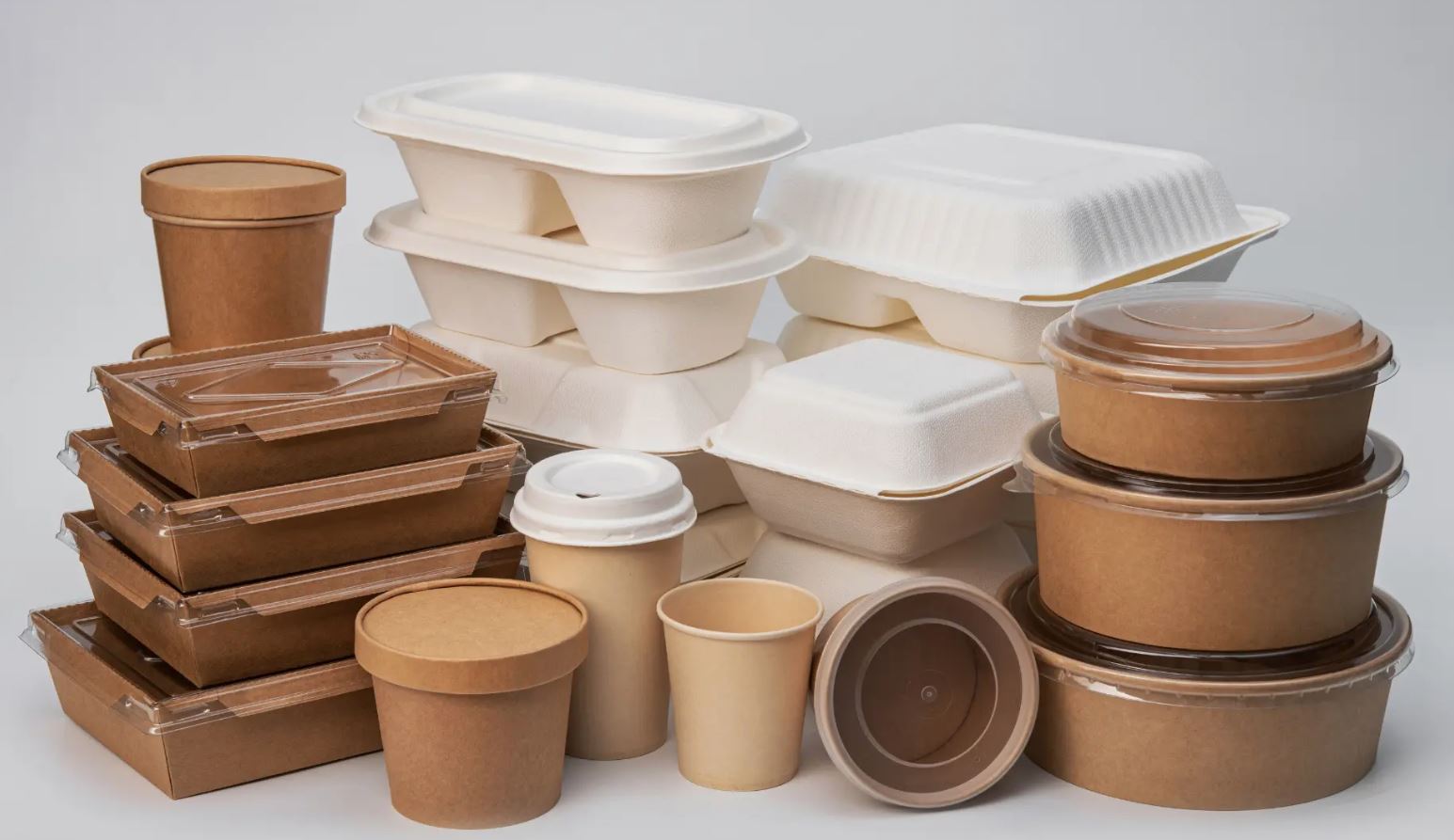
Design choices that protect freshness, cut waste, and respect the planet without losing sight of safety or cost
Why the wrapper matters as much as the recipe
Packaging guards flavor, blocks oxygen and light, and keeps products safe from farm to table, yet it also carries a footprint that stretches from raw material extraction to the moment a container leaves a kitchen or a bin, so sustainable design aims to deliver protection with fewer resources, simpler recovery paths, and honest information that helps people do the right thing without guesswork.
Food quality and waste reduction sit at the center of this mission because a spoiled product wastes far more energy and water than a thoughtfully chosen container, which means the best package is the one that preserves freshness for the intended journey while using the least material that still accomplishes that job.
The material palette and what each choice implies
Papers and molded fibers often shine for dry goods and for takeaway items when paired with responsible coatings that resist grease and moisture, while glass provides inert barriers for sauces and pickles with excellent shelf stability and full recyclability in many regions, and metals such as aluminum and steel protect beverages and canned foods with strong barriers and well established recovery systems where collection works.
Plastics offer light weight and durability that cuts transport emissions, yet they vary widely in recyclability and in the purity needed for food contact, so designers must consider resin type, color, additives, and the real world streams available in the target market to keep promises credible.
Barriers without forever chemicals
Oil and water resistance used to lean on fluorinated compounds that persist in ecosystems, so modern solutions look to mineral coatings, plant waxes, chitosan from shell waste, and nano scale cellulose that can create tight barriers while breaking down more safely under industrial composting or during fiber recovery when mills accept the format.
Performance must be verified under realistic use, which means hot and cold cycles, freezer conditions, and the messy realities of sauces and steam, because a barrier that fails in a kitchen negates any environmental claim and sends food to the trash.
Design for simple sorting and easy recovery
Recycling thrives on clarity, so single material builds beat mixed laminates that cannot be separated with common equipment, and if a window is required in a paper pouch, a cellulose film with water based adhesive helps mills keep fibers clean while allowing the small panel to pass through screens without contaminating pulp.
Caps, labels, and sleeves deserve equal attention since dark pigments and heavy inks confuse optical sorters, while pressure sensitive labels that wash off at moderate temperatures keep bottles in the loop and reduce residue that would otherwise lower yield at the plant.
Refill and reuse where loops make sense
Sturdy containers pay back their higher initial footprint when return rates stay high and wash systems use water and energy efficiently, which fits dairies, beverages, and meal delivery with predictable routes, while bulk bins and concentrate formats allow shoppers to refill at home with minimal mess when closures are precise and instructions reduce cross contamination risk.
Digital deposits and scannable marks can nudge behavior by returning funds quickly and by showing each container’s trip history, which turns reuse into a small story that builds loyalty and pride.
Right sizing to respect trucks, shelves, and hands
Eliminating empty headspace reduces dunnage and prevents damage because products do not rattle, and nested shapes or collapsible inserts cut warehouse air while still allowing quick packing on a busy line, and secondary packaging that locks like a puzzle often replaces plastic wraps while keeping pallets stable through long rides.
Ergonomics matters as well because lids that open cleanly and corners that pour without drips reduce frustration at home, which improves the chance that a material is rinsed and recycled since people are more willing to clean a container that served them well.
Cold chain compatibility without excess
Insulation for fresh and frozen goods can come from recycled paper fibers, starch based foams, and wool liners that breathe and regulate humidity, and phase change packs sized to the route prevent overfilling boxes with ice, which lowers weight and reduces the number of trucks needed for a week of deliveries.
Data loggers and time temperature indicators reveal hot spots so teams can tune pack outs to season and destination rather than following a one size approach that wastes material in mild weather and fails in heat waves.
Compostable paths that truly work
Compostable items only make sense where collection and facilities exist and where food residue is heavy, such as service ware at events and quick service sites, because the whole unit can move to organics processing without rinsing, and clear labeling that uses a distinct color and short wording helps bins capture streams with fewer mistakes.
Home compost claims should be conservative since backyard conditions vary widely, and brands can support success by offering simple tests and by encouraging community drop off when municipal options are absent.
Upcycling that keeps nutrients in circulation
Packaging can carry value from byproducts such as bagasse from sugarcane, husks from grains, and peels that become fibers or films, which displaces virgin inputs while telling a supply story that resonates with shoppers who want waste reduced at the source, yet durability, moisture resistance, and safe inks must still pass strict food contact standards before a good idea becomes a safe everyday object.
Partnerships between processors and converters turn local residues into local materials that avoid long hauling, and that proximity helps match volumes and quality across seasons.
Smart packaging that signals freshness
Indicators that change color when oxygen leaks or when time and temperature exceed safe limits help stores rotate stock and help households choose which item to eat first, and scannable codes can reveal harvest dates, storage tips, and recycling guidance specific to a postal code, which reduces confusion that often sends items to the wrong bin.
Sensors must be affordable and easy to read under grocery lighting, and privacy must be respected when digital tools collect information about returns and reuse tickets.
Printing, inks, and the art of legible truth
Water based inks reduce volatile emissions during printing and ease fiber recovery at mills, and minimal coverage preserves paper brightness for the next cycle, while high contrast fonts at sensible sizes help seniors and children follow heating directions and sorting steps that keep streams clean.
Claims deserve careful wording that avoids vague phrases, and linking to method notes gives curious readers a path to learn more, which builds trust without turning a label into a wall of text.
Life cycle thinking as the common language
Comparing materials requires a cradle to bin view that includes extraction, processing energy, transport, product protection, end of life options, and the likelihood of capture in the target region, and teams should repeat studies when formats change because a lighter closure or a shift in distribution speed can tilt results in unexpected ways.
Small improvements multiplied by millions of units often beat a flashy innovation that only fits a single product, so prioritize changes that scale across lines and that supply partners can deliver at steady quality.
Food safety never takes a holiday
Any switch in resin, coating, or adhesive must pass migration tests, shelf trials, and abuse tests that simulate drops, stacking, and exposure to sun in a car trunk, and traceability for every component ensures quick action if an issue appears, because the first duty of a package is to protect health with zero compromise.
Clean manufacturing, allergen controls, and validated sanitation guard against residues that could trigger reactions, and change control documents preserve institutional memory when teams evolve.
Costs that count what spreadsheets often miss
Unit price tells only part of the story since damage reductions, faster line speeds, smaller trucks, and better brand perception all carry financial value, and payback periods for reuse pools shorten when routes are dense and retrieval is integrated with regular deliveries rather than special trips.
Vendors who share real waste and yield data help buyers see total landed cost, which allows brave choices that look expensive at first glance yet win over a year of operations.
Ecommerce and the new box discipline
Direct shipments demand cushions that flex through conveyors and drops, yet every extra layer adds weight and waste, so right sized mailers, paper based cushions, and corner guards made from molded fiber protect goods while staying friendly to curbside collection, and ship in own container programs avoid outer boxes when primary packages meet transit tests on their own.
Return logistics for clothing style reuse do not translate directly to food, yet refill routes for pantry staples and beverages can piggyback on grocery delivery where reverse flow already exists for crates and totes.
Restaurant and deli realities
Heat, steam, and sauces challenge fibers and plastics alike, so venting patterns and stack strength deserve trials in real kitchens with real hands at rush hour, and lids that click with a clear signal reduce spills and help drivers keep orders neat, which lowers remakes and keeps guests happy.
Menu engineering can help by matching high risk dishes to dine in service or to containers proven to hold texture, and by offering side sauces that diners add at the table so crisp items stay crisp.
Signals that guide people at the bin
Color coding that matches municipal bins, simple icons, and short verbs like rinse, peel, and empty reduce sorting errors, and brands can place the instruction near the exact component to avoid confusion, since a tiny note on the base rarely gets seen in a busy kitchen.
Community pilots that test messages in real apartments and dorms reveal what actually works, and the lessons can roll out across regions with templates that other groups can adapt quickly.
Regional nuance and the danger of global slogans
A package that works in one city might fail in another because infrastructure differs, so labels should avoid promises about recyclability that do not match local capability, and websites can accept a postal code to return location specific guidance that shows drop offs, organics programs, and mail in options for hard to handle items.
Procurement teams should map destinations for products before locking designs, which keeps solutions grounded in reality rather than aspiration.
Measurement that fits busy teams
Track a short list of indicators that matter, such as material intensity per unit of food delivered, product loss rates along the route, recovery rates by material, and greenhouse emissions per shipment, and add a simple customer satisfaction score that captures ease of opening, reseal quality, and clarity of disposal instructions.
Publish progress yearly and explain setbacks with candor, since trust grows when a brand treats sustainability as a craft rather than as a slogan.
Education and small producer support
Independent makers often struggle to navigate regulations, tests, and sourcing, so shared buying groups, template labels, and subsidized trials at packaging labs level the field, and local incubators can provide short courses on barriers, inks, and shelf life that reduce costly mistakes.
When many small brands adopt good practice, suppliers notice and expand availability of better materials, which raises the baseline for everyone.
Food waste as the north star
The climate impact of wasted food usually dwarfs the footprint of the wrapper, so the first question for any redesign asks whether freshness or safety will suffer, and if so, how to restore protection with smarter barriers, better sealing geometry, or clearer storage tips printed where people actually look when they place leftovers in a fridge late at night.
Portion packs can reduce waste for households with one or two people when reseal features are weak, while family sizes with strong closures help larger households cut cost and plastic per meal, which shows that context matters more than a single rule.
Innovation on the horizon
Researchers explore cellulose crystals that create strong clear films, algae based coatings that resist grease without persistent chemicals, mycelium shapes that cushion bottles and fruit, and enzymatic tags that help sorters identify resins by signature rather than by color, and each idea must prove scale, safety, and economics before moving from pilot to daily life.
True progress will look like many small wins rather than a single breakthrough, because food types, climates, and infrastructures vary widely, and the best system is flexible, modular, and friendly to the people who must pack thousands of items every day.
A promise carried by every container
Sustainable packaging becomes real when every box, bag, jar, and tray makes a quiet promise to protect nourishment, to respect the hands that touch it, and to return its materials to useful life whenever possible, and if a design keeps food fresh, guides sorting with clarity, and uses only what it must, then the promise holds from warehouse to doorstep and the table gains a future that tastes as good as the present.