

Farming With The Weather As A Partner
Practical pathways that raise yields, cut risk, and store carbon while feeding communities with dignity
Seeing climate as a design constraint
Climate smart agriculture begins with acceptance that seasons have changed, rains arrive in new patterns, and heat visits more often, so farms respond with plans that protect soil, guide water, spread risk across crops and time, and connect data to decisions so that surprises cause smaller losses and good years deliver more food with fewer inputs.
Three goals held at once
The approach aims to increase productivity, strengthen resilience, and reduce emissions at the same time, which sounds ambitious until daily practice breaks the work into steps such as improving soil structure, using water carefully, choosing efficient nutrients, and managing animals and rice fields to calm methane, and when those steps stack, the whole operation becomes steadier and kinder to the air.
Mapping fields for microclimates
Hills, tree rows, and soil types create pockets of heat, wind, and moisture, so farmers who map these patterns with simple temperature loggers and soil probes can place varieties where they belong, set windbreaks where they matter most, and schedule planting and harvest to match local quirks that satellites miss, which turns knowledge of place into a hedge against stress.
Soil as the central engine of stability
Healthy soil holds water like a sponge and releases it slowly to roots, it stores nutrients in forms that do not wash away quickly, and it houses organisms that cycle carbon into stable forms, so cover crops, diverse rotations, and minimal disturbance build aggregates that keep air and water moving, and these aggregates keep fields workable after heavy rain and productive during dry spells.
Cover crops that earn their keep
Legumes add nitrogen, grasses knit surface layers, and broadleaf species mine minerals from depth, and when mixtures fill empty months they shade weeds, feed soil life, and prevent erosion, then a roller crimper or a sharp mow lays a protective mat that reduces evaporation and feeds the next cash crop with gentle release of nutrients.
Water stewardship from ridge to furrow
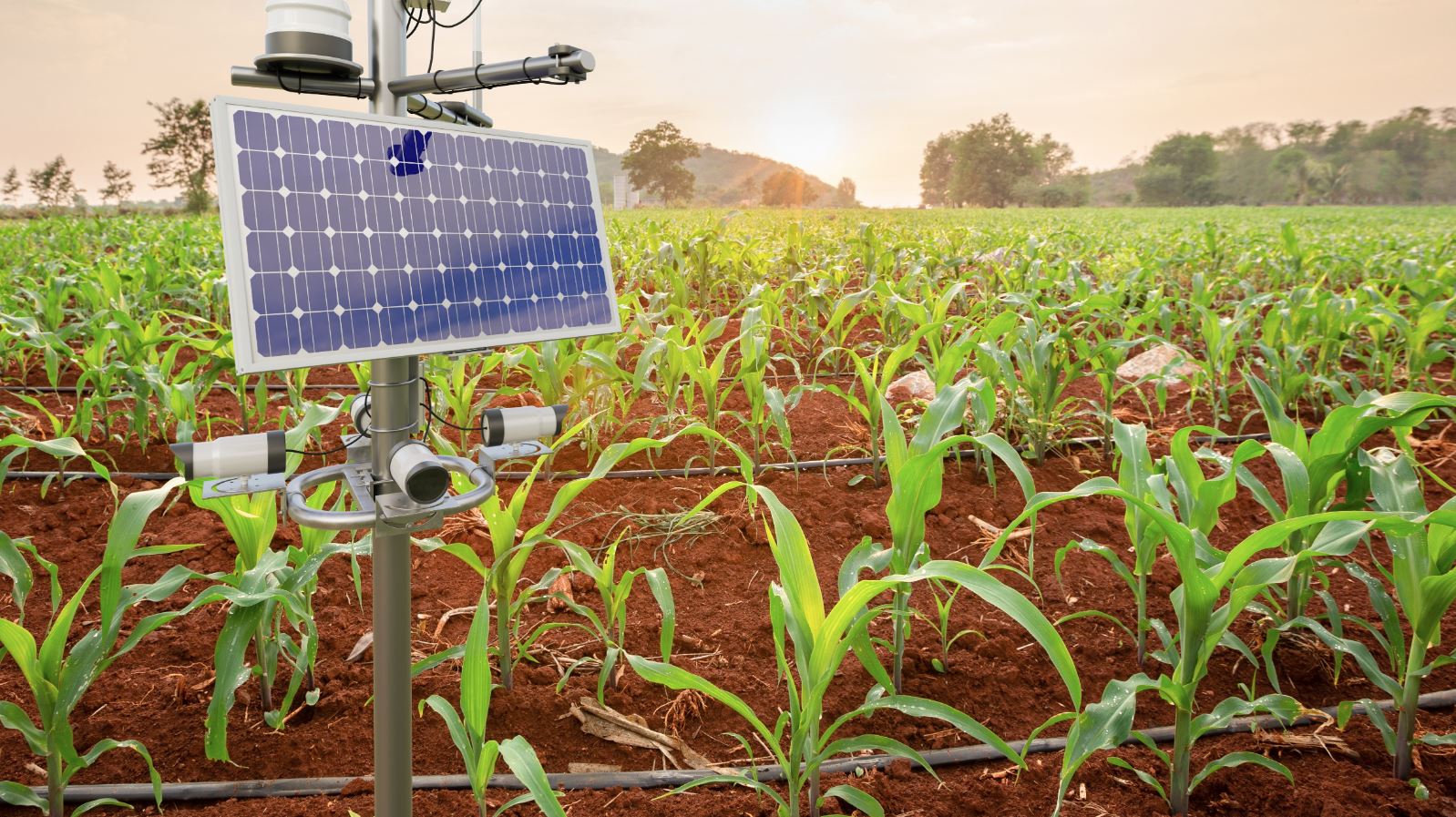
Contour strips slow runoff, small basins capture storm pulses, drip systems deliver moisture to roots with little loss, and soil moisture sensors prevent overirrigation that leaches nutrients, while mulches and windbreaks reduce evaporation, and together these moves stretch scarce water without tiring labor or bills.
Rice fields tuned for lower methane
Alternate wetting and drying reduces methane by letting oxygen enter the soil between irrigations, simple tubes show water depth so farmers know when to flood again, and precise leveling ensures even distribution that saves water, and with these habits yields remain strong while emissions fall and input costs decline.
Nitrogen efficiency without yield loss
Split applications match plant demand, enhanced efficiency products slow release, and placement near seed or root zones reduces volatilization, while inhibitors used wisely and only where they pay off help convert nutrient dollars into grain rather than into gas, and tissue tests guide course corrections during the season.
Livestock with lighter footprints
Managed rotations give pastures rest, which increases root depth and carbon storage, balanced diets with selected additives can reduce methane from digestion, and manure handled in covered systems captures biogas for energy while preventing fugitive emissions, and animals that graze well placed strips help control fire risk and cycle nutrients across the farm.
Agroforestry that cools and feeds
Tree rows planted with crops create light shade that reduces heat stress, roots anchor soil through storms, blossoms feed pollinators, and fruit or timber adds income layers, and when placed along contours or streams the rows filter sediments and build habitat that restores songbirds and beneficial insects.
Seeds chosen for the new normal
Varieties with heat tolerance, drought resilience, or disease resistance are now essential, and farmer led trials across zones reveal champions faster than distant tables, while seed diversity within a field spreads risk so that a single weather event does not erase the harvest.
Energy made on the farm
Solar arrays on barn roofs power pumps and cool rooms, small turbines feed meters where wind allows, and biogas units transform manure into electricity and heat, which lowers bills and insulates operations from fuel swings while reducing emissions that used to drift from open pits.
Digital tools that stay humble
Weather forecasts at field scale, decision support for irrigation and fertilization, and simple mobile tools for scouting pests help farmers act with timing and precision, but the best systems respect farmer knowledge, work offline when signals fade, and report in local language so that advice blends with experience rather than overwriting it.
Finance that values resilience
Lenders can structure loans that reward verified soil gains, water savings, and stable yields, insurers can price policies based on risk reduction from windbreaks and cover, and public programs can support first costs for sensors, trees, or drip lines that pay back over several years rather than one, and these financial signals help the transition stick.
Measurement that builds credibility
Tracking soil carbon, infiltration, nutrient balances, and yield variance turns claims into evidence, simple field tests such as rainfall simulators or infiltration rings show results to neighbors, and remote sensing combined with ground truth gives cooperatives a shared view for planning markets and storage.
Food loss kept low through cold chain care
Precooling after harvest, shaded loading, insulated boxes with phase change packs, and clear procedures at receiving docks protect quality that fields worked hard to produce, and because less waste means fewer acres must produce the same calories, careful logistics are a core pillar of climate outcomes.
Local processing that shortens routes
Mills, dryers, and small pack houses near farms reduce transport emissions and create jobs that keep knowledge in the region, while byproducts feed animals or become soil amendments, and the shorter loop lets growers respond to demand shifts quickly without long storage that risks loss.
Nutrition and climate in the same basket
Climate smart systems should deliver diverse foods with minerals and vitamins intact, so rotations that include legumes, roots, and leafy greens feed families well without asking soil to do the same work every season, and public buyers such as schools can support this diversity with menus that change through the year.
Risk sharing across supply chains
Contracts that accept cosmetic variation, bonuses for verified practices, and flexible delivery windows during extreme weather spread risk beyond the farm gate, and retailers who communicate the value of resilience to customers help create demand for crops raised with care for soil and water.
Community learning as a growth engine
Field days, farmer research circles, and mentor networks speed adoption, radio programs and local language videos carry tips for calibration and timing, and youth groups gain skills in nursery care, composting, and data logging that open jobs and keep energy on the land.
Respect for indigenous knowledge
Centuries of observation have shaped terracing, water harvesting, and mixed plantings that manage risk with elegance, and partnerships that honor rights and share revenue ensure that traditional insight guides modern tools so that solutions fit culture, terrain, and climate together.
Policy that removes friction
Clear rules for water sharing, support for tree tenure so that farmers can plant and harvest with confidence, and alignment of extension services with market needs help adoption flow, while standardized monitoring methods reduce burden and allow results to be compared across regions.
Urban agriculture within the climate plan
Rooftop beds, vertical stacks, and shared greenhouses cut transport miles and provide cooling in dense neighborhoods, rain capture on buildings irrigates crops, and compost from city organics returns nutrients to soil, and these links make cities partners in climate smart food systems rather than distant customers.
Gender equity as practical strategy
Women often manage seed, water, and household nutrition, so access to land rights, training, finance, and labor saving tools such as efficient cookstoves and small pumps increases adoption and multiplies gains, and programs that schedule meetings at workable hours with childcare respect real lives and lift results.
Human health considered alongside carbon
Reduced open burning improves air, safer water practices cut disease, and diverse diets reduce hidden hunger, so climate smart choices often arrive with co benefits that lower medical costs and raise school attendance, and these gains justify investment even before carbon savings are counted.
Crops for heat and salt tolerance
As sea levels rise and heat waves intensify, farmers test sorghum, millet, quinoa, and salt tolerant rice or barley in zones that once favored other grains, and intercropping with legumes maintains protein supply while stabilizing soil, and this flexibility keeps harvests coming during strange years.
Nature based pest controls
Habitat strips for beneficial insects, pheromone traps, and careful timing of sprays reduce chemical use and protect pollinators, and healthier ecosystems tend to bounce back after shocks, which reinforces resilience with lower costs and cleaner water.
Education that turns data into action
Training in reading soil tests, calibrating seeders, and interpreting weather alerts helps farmers adjust quickly, school curricula that include field labs build a generation comfortable with both shovel and sensor, and public dashboards show progress so that communities celebrate shared wins.
Markets that reward climate outcomes
Verification programs that measure soil carbon and water savings can pay premiums when buyers want proof of stewardship, and when these programs keep costs low and rules simple, smallholders can join without drowning in paperwork, which spreads benefits beyond large farms.
Resilience planning for weeks that go wrong
Backup water for livestock, seed reserves for replanting, and diversified income from processing or agrotourism reduce the chance that one event breaks a year, and simple checklists for storms or heat waves guide crews through steps that protect people first and assets next.
Kitchen links to climate goals
Chefs and home cooks drive demand for crops from rotations and tree systems, menus that use the full plant and that respect seasonality help farms balance fields, and transparent storytelling turns unfamiliar grains and legumes into favorites that return fair prices to growers.
A promise written in rain and roots
Climate smart agriculture is not a single technology, it is a way of thinking that treats weather as a partner to anticipate, soil as a savings account to grow, and neighbors as allies, and with patient practice farms can feed more people with steadier hands while easing pressure on air and water, and the harvest will carry proof that careful design can turn a shifting climate into a field that still gives.