

Food That Works While You Eat
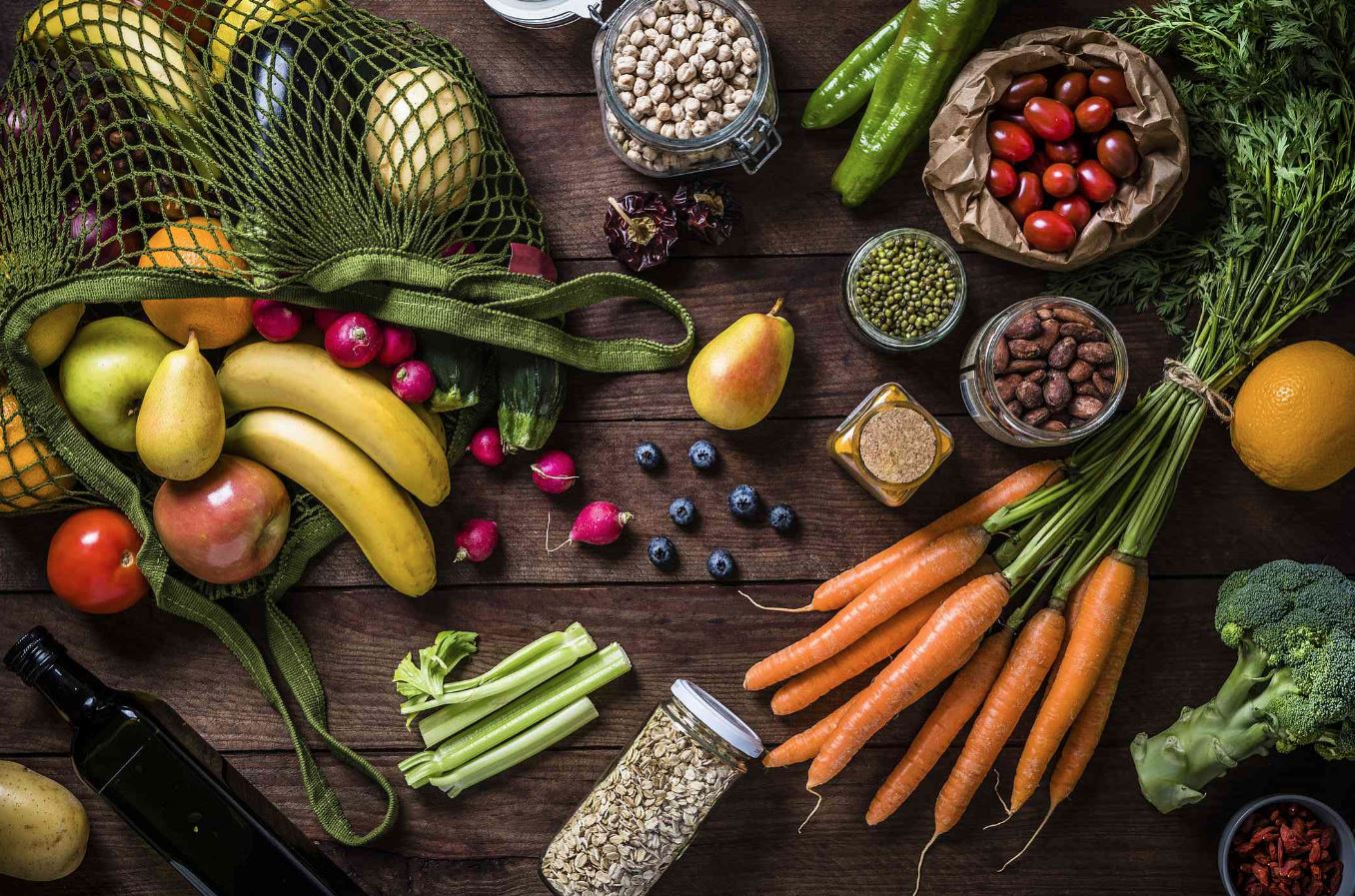
Designing everyday meals that deliver measurable benefits through bioactive compounds and intelligent formulation
What makes a food functional beyond basic fuel
A functional food does more than satisfy appetite, it delivers clinically relevant effects that support systems such as immunity, cognition, metabolism, or cardiovascular balance. The concept links culinary pleasure with targeted physiology through naturally present molecules or thoughtfully added components that remain safe within normal dietary patterns. When a yogurt carries defined probiotic strains that survive passage through the stomach, or when a bowl of oats supplies beta glucans that help maintain healthy cholesterol levels, food becomes a daily form of gentle intervention. The difference from supplements lies in the matrix, since whole food structure influences absorption, microbial interactions, and satiety in ways that isolated pills cannot fully match.
The food matrix as a living delivery system
The structure of food shapes the fate of bioactives from mouth to colon. Viscous fibers slow gastric emptying and create a stable environment that protects sensitive compounds during digestion. Emulsions carry lipophilic nutrients such as carotenoids through micelles that form in the small intestine. Protein networks can bind polyphenols and modify release rates, which results in a longer window of action. Researchers map these interactions with in vitro models and human trials, then tune particle size, water activity, and pH to steer bioavailability. A thoughtful product respects this matrix, so the payload arrives where the body can use it.
Prebiotics that script friendly conversations with microbes
Selective fibers feed beneficial organisms that live in the gut, which leads to short chain fatty acids that strengthen the intestinal lining and modulate inflammation. Inulin from chicory, resistant starch from cooled potatoes and certain grains, and arabinoxylans from whole wheat are classic examples that encourage microbial diversity. Dose and chain length matter because different bacteria prefer different substrates. Blends often work best since communities thrive on variety. When the microbiome receives steady nourishment, the host benefits through improved mineral absorption, better glycemic response, and a calmer immune tone.
Probiotics that arrive alive and act with purpose
Live microbes offer value only when they reach the gut in sufficient numbers and maintain proven traits. Strain identity must be precise, storage conditions must protect viability, and the food environment must support survival during transit. Fermented dairy and plant based yogurts provide buffered conditions that help cells tolerate acid and bile. Some products encapsulate cultures to add another layer of protection. Evidence grows when researchers run strain specific trials that measure outcomes such as reduced antibiotic associated diarrhea or improved lactose digestion. Clear labeling that lists strain codes and counts at end of shelf life builds trust and guides consumers to consistent results.
Synbiotics that combine feed and friend
Pairing a specific prebiotic with a compatible probiotic creates a cooperative effect that exceeds either alone. The fiber acts like a reserved seat at the table because it favors the chosen strain in a competitive environment. Designers select pairs based on metabolic maps that show which saccharides fuel a given microbe. The result is a targeted bloom that is more predictable than broad spectrum approaches. When synbiotics appear in beverages, snack bars, or cultured foods, the format must protect both the microbe and the substrate until ingestion to preserve the intended synergy.
Polyphenols that speak the language of cells
Colorful plants contain compounds that interact with cell signaling and redox balance. Catechins from tea, anthocyanins from berries, and hydroxycinnamic acids from coffee influence pathways that govern inflammation and vascular tone. Their benefit depends on dose, form, and gut transformation because many polyphenols act through metabolites created by microbes. Food forms that keep these compounds stable during processing and storage offer better odds of effect. Pairing polyphenols with proteins or lipids can either hinder or enhance uptake, so formulation requires testing rather than guesswork. When done well, a simple beverage or a cocoa rich snack can support endothelial function without medicinal overtones.
Fibers that shape appetite and metabolic rhythm
Soluble fibers such as pectins and beta glucans increase viscosity, which blunts post meal glucose rise and extends satiety. Insoluble fibers add bulk that supports regularity and reduces transit time. Some fibers form gels that trap bile acids, which prompts the body to use cholesterol to make more bile. Designers choose fiber types by desired outcome and sensory target. Too much viscosity can impair flavor release, while too little fails to deliver benefits. The craft lies in balancing mouthfeel with physiology so that the food remains enjoyable day after day.
Omega three sources that calm the storm
Alpha linolenic acid from flax and chia provides a plant route to essential fats, while algae derived oils deliver docosahexaenoic acid without fish. These lipids support brain structure and influence eicosanoid balance that governs inflammation. Oxidation control is critical because rancidity erodes both taste and function. Antioxidants such as mixed tocopherols protect delicate oils during processing and storage. Microencapsulation can hide flavor and improve stability in baked goods or nutrition drinks. When a product lists meaningful grams per serving and protects the oil from heat and light, the promise reaches the consumer intact.
Mineral and vitamin bioavailability beyond simple addition
Fortification only succeeds when minerals and vitamins survive preparation and reach absorption sites in useful forms. Iron binds strongly to phytates in grains, yet fermentation or sourdough methods reduce that binding and raise uptake. Vitamin C enhances nonheme iron absorption, so citrus or berry components support cereal based products. Calcium competes with iron, which suggests separate occasions for highest benefit. Fat soluble vitamins need dietary fat for optimal transport, which makes dairy and oil enriched matrices natural carriers. These interactions turn formulation into choreography rather than arithmetic.
Emerging peptides with targeted actions
During fermentation and enzymatic hydrolysis, proteins break into short chains that can influence blood pressure or satiety. Certain dairy and plant peptides interact with systems that regulate vascular tone. Others modulate opioid receptors in the gut that affect comfort and motility. Discovering these peptides requires precise analytics and confirmation in controlled studies. Once identified, producers scale gentle processes that create the same sequences without harsh conditions. The result is a food that feels familiar yet carries quiet signals that support balance.
Personalization through data guided choice
Devices and apps now track glucose trends, sleep quality, and activity, which reveals how the same food can have different effects across individuals. Some people see large spikes from rice while others show stable patterns. Microbiome tests add another lens, although interpretation still evolves. A practical path uses simple feedback loops. Try a functional breakfast for two weeks while logging energy and glycemic response. Keep what works, adjust what does not. Food becomes a friendly experiment with the body as partner rather than a battleground of rules.
Rigorous evidence and honest marketing
Claims must rest on peer reviewed data that match the product as sold, including dose, strain identity, and matrix. Structure function language should avoid promising cures and should focus on support of normal physiology. Randomized trials carry the most weight, yet well designed observational work also adds context. Transparency about study funding and limitations helps the public make informed choices. Trust grows when brands publish protocols and invite third party verification. A responsible marketplace protects consumers and rewards innovators who invest in real science.
Processing that preserves life in sensitive ingredients
Heat, oxygen, and shear threaten probiotics, enzymes, and delicate plant compounds. Designers minimize exposure through low temperature steps, inert gas flushing, and rapid packaging. High pressure processing can inactivate pathogens while sparing many nutrients and preserving fresh flavor. Gentle drying methods like freeze drying protect structure for later rehydration. Every decision weighs safety, shelf life, and nutrition against cost. When teams plan with these constraints in mind, the final food retains power without sacrificing pleasure.
Safety frameworks that match innovation
Introducing active components into daily food requires careful review. Ingredient specifications define purity and contaminants. Allergen control prevents accidental exposure during production. Stability studies confirm that benefits persist to end of shelf life. Post market surveillance watches for rare reactions and guides improvements. Regulators expect clear records, validated tests, and labels that help sensitive groups avoid risk. This diligence keeps functional products aligned with public health goals.
Designing for daily use rather than rare plans
A functional food succeeds when it fits routines. Breakfast staples like oats, yogurt, and smoothies make reliable carriers. Breads with intact grains and added seeds deliver fiber and minerals without forcing new habits. Savory soups with legumes and greens offer gentle volume that satisfies through lunch. Small desserts rich in polyphenols provide delight along with value. The easiest plan wins because adherence is the true engine of outcome. Formulation should honor flavor and convenience so that intention becomes behavior.
Sustainability as a silent ingredient
Functional benefits should not arrive with hidden environmental costs. Sourcing matters because the same compound can come from a crop that protects soil or from a process that strains water. Fermentation platforms produce vitamins and enzymes with modest footprints when powered by renewable energy. Upcycled fibers from fruit peels or brewery grain keep nutrients in circulation while reducing waste. Packaging that protects live cultures with minimal material closes the loop between nutrition and stewardship. A product earns loyalty when it helps both people and planet.
Culinary techniques that unlock performance
Cooking can increase or decrease benefits depending on method. Light steaming preserves sulforaphane precursors in brassicas, while long boiling may wash them away. Crushing garlic and waiting a minute allows alliinase to form allicin before heat lands in the pan. Cooling cooked rice or potatoes encourages resistant starch formation that supports a gentle glycemic curve. Roasting tomatoes with a splash of oil improves lycopene availability. Home cooks can apply these simple moves without special equipment, which turns the kitchen into a lab that serves comfort and science at once.
Life stages and tailored functional goals
Children need support for growth and immune development, which suggests probiotics with strong safety records and calcium rich matrices that include vitamin D. Adults often seek energy stability and cardiovascular health, which calls for viscous fibers, omega three sources, and polyphenol rich choices. Older adults may prioritize muscle preservation and digestive comfort, so higher protein density, prebiotic blends, and softer textures help. Pregnancy and lactation require careful review of specific ingredients and doses, guided by clinical advice. Functional design respects these differences so that benefits match needs over time.
Testing effectiveness in the real world
Laboratory models predict outcomes, yet community trials reveal whether people feel a difference and keep using the product. Simple endpoints such as regularity, energy rating, or sleep quality complement biomarkers like fasting glucose or lipid panels. Retail pilots that include coaching or recipe cards often produce stronger adherence and clearer signals. Feedback loops inform reformulation, such as adjusting fiber types to reduce bloating or changing flavor to improve daily enjoyment. Evidence becomes a continuous practice rather than a single publication.
The role of ethics in functional promises
Equity matters because many communities that would benefit most face the highest prices and the least access. Programs that offer tiered pricing, school partnerships, and bulk formats widen availability. Labels should avoid fear based language and cultural bias. Respect for traditional foods matters because many cuisines already carry functional wisdom through fermented staples, herbs, and whole grains. Industry can learn from that heritage and return value through fair sourcing and community investment.
Future frontiers from precision to personalization
Advances in metabolomics, proteomics, and digital health will refine how foods are built and recommended. Real time data can guide microadjustments to fiber mix or polyphenol profile to match individual responses. New strains of beneficial microbes discovered through large cohort studies will expand the probiotic toolbox. Edible sensors may verify dose and confirm viability at the moment of consumption. Despite these tools, the heart of the field will remain simple. Whole foods thoughtfully prepared, paired with modest processing that preserves structure, and guided by honest science that respects daily life.
A daily table that nourishes with intention
Functional foods invite a gentle shift in how we eat. Breakfast, lunch, and dinner become chances to support systems that carry us through work, study, and rest. A bowl of oats steadies the morning, a cup of cultured yogurt brings friendly microbes, a salad draped with legumes and seeds fuels the afternoon with clarity, and a cocoa rich dessert closes the day with quiet vascular support. When flavor leads and evidence follows, routines turn into care, and care accumulates into health that feels natural rather than forced. This is food that works while you eat, and it asks only that you return tomorrow and enjoy it again.