

Life Between Root And Rock
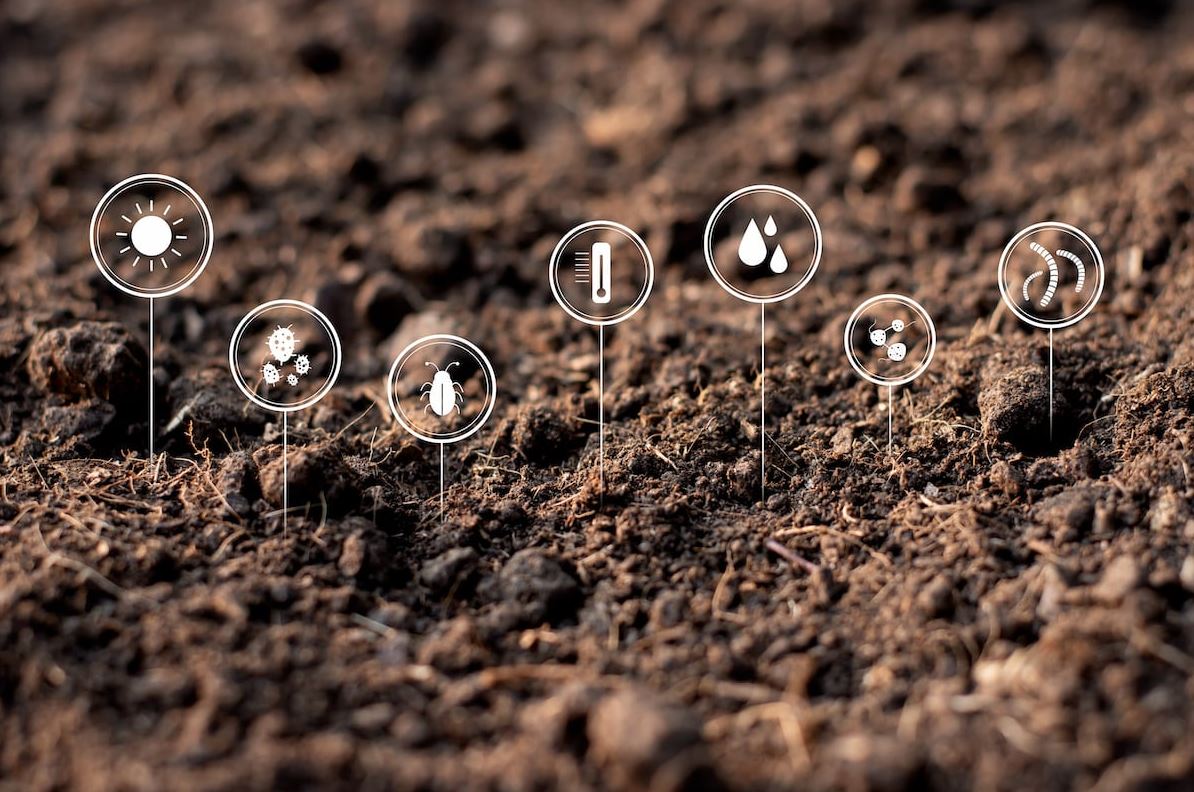
The hidden city beneath our feet where microbes build soil, feed plants, and buffer the climate
Soil as a living habitat not a simple dirt layer
Soil holds a maze of pores filled with air and water, bits of mineral sand silt and clay, and a steady rain of organic fragments from roots and leaves, and within this patchwork lives a crowded community of bacteria fungi archaea protists nematodes mites and springtails that trade energy and elements in ways that nourish crops and store carbon while shaping water flow and structure for the next storm.
Aggregates as tiny houses that microbes build
When plant residues enter soil, microbes chew them into small molecules and then into humic fragments, glues such as fungal exudates and bacterial polysaccharides bind particles into aggregates, roots and hyphae act like rebar to stabilize these crumbs, and the result is a crumbly structure that resists erosion, holds water against gravity, and shelters residents from sudden heat or cold.
Bacteria as first responders of decomposition
Bacteria thrive in films of water on mineral surfaces and on fresh residues, many specialize in simple sugars and amino acids, others unlock cellulose and hemicellulose, a bold few crack lignin after fungi open the door, and their enzymes release nitrogen phosphorus and sulfur from complex bonds which plants can later absorb through fine roots that explore the same microzones.
Fungi as architects of long networks
Filamentous fungi push hyphae through pores that roots cannot enter, their oxidative enzymes unlock stubborn plant polymers, and their threads stitch soil into coherent fabric that resists slaking under heavy rain, while saprotrophic species focus on litter decay and mycorrhizal partners exchange mineral nutrients for plant sugars through intimate interfaces that hug root cells.
Mycorrhizal partnerships that extend the root system
Arbuscular partners link with most crops and forage plants and deliver phosphorus zinc and water from beyond the depletion zone, ectomycorrhizal partners wrap the roots of many trees and share nitrogen gathered from organic patches, and both types change exudation patterns and defense signals in ways that influence which bacteria settle near the root tips.
Archaea as specialists in energy frugal chemistry
Archaea occupy niches that often escape attention, some oxidize ammonia at very low concentrations and thus set the pace of nitrification in cool or dry soils, others manage redox flows when oxygen fades, and their tolerance of extremes allows life to continue during drought or winter when many bacteria rest.
Protists and nematodes as grazers that set the table
Single celled predators such as amoebae and flagellates graze on bacteria and release nitrogen in plant available forms, nematodes add another layer of grazing and also feed on fungi or on other nematodes, and this miniature food web keeps nutrients cycling and prevents any one group from dominating patches for long.
Viruses as quiet editors of microbial populations
Bacteriophages infect bacteria and steer community composition by selective lysis, they also move genes that encode enzymes for carbon or nitrogen processing, and these tiny agents change the pace of decomposition and nutrient release in bursts that follow rainfall or temperature swings.
The rhizosphere as a marketplace wrapped around roots
Roots leak sugars organic acids amino acids and small peptides, these exudates attract allies that help unlock minerals or repel diseases, the same carbon flow feeds opportunists that hurry in after a fresh exudation pulse, and the competition and cooperation around each root hair influence plant growth more than any single fertilizer number suggests.
Signals and conversations with chemical dialects
Quorum sensing allows bacteria to sense the density of neighbors and to coordinate enzyme release, fungi exchange signals that direct hyphal fusion and territory claims, plants release flavonoids and strigolactones that recruit symbionts, and in turn microbes send hormones such as auxins and cytokinins that alter root branching and hair formation.
Nitrogen journeys from atmosphere to harvest
Free living and symbiotic diazotrophs reduce atmospheric nitrogen to ammonium using energy that often comes from plant sugars, ammonia oxidizers and nitrite oxidizers convert ammonium to nitrate when oxygen is present, denitrifiers return nitrogen gases to the air when oxygen is scarce, and a balanced soil moderates these steps so that crops find steady supply while losses to air and water remain low.
Phosphorus made mobile through micro scale tricks
Phosphorus sticks to minerals and hides inside residues, microbes free it with organic acids that dissolve mineral bonds and with phosphatase enzymes that cut organic links, mycorrhizal hyphae ferry the released phosphate to roots before it readsorbs, and cover crop residues keep this flow going between cash seasons.
Sulfur and micronutrients under microbial care
Thiol oxidizers and sulfate reducers move sulfur between forms that plants can use, other microbes chelate iron manganese copper and zinc or release them by changing redox states, and root exudates steer which partners dominate so that trace elements remain available without reaching toxic levels.
Carbon storage through slow chemistry and safe houses
Part of the carbon from plant inputs becomes microbial biomass, part becomes extracellular polymers that glue particles, and a significant fraction binds to mineral surfaces or hides inside microaggregates where enzymes and oxygen arrive slowly, and this protected pool stays in soil long enough to influence climate and structure across many seasons.
Soil enzymes as fingerprints of function
Assays for beta glucosidase cellulase chitinase phosphatase and urease reveal which processes run hot and which lag, changes in activity track management decisions such as residue inputs or tillage intensity, and paired with respiration and biomass measurements these indicators help farmers and scientists evaluate soil health beyond simple nutrient tests.
Moisture and oxygen gradients that create neighborhoods
A single aggregate can hold wet cores and dry edges, oxic shells and anoxic pockets, fast lanes for diffusion and cul de sacs where molecules linger, and microbes sort themselves according to these microhabitats, which is why gentle irrigation and soil cover maintain more balanced communities than cycles of flood and desiccation.
Temperature and seasons that set the rhythm
Enzyme kinetics run faster with warmth up to stress points, winter slows activity but rarely stops it, spring pulses of exudates feed a bloom of copiotrophic bacteria, and dry summers favor stress tolerant fungi and archaea, so the cast of characters shifts through the year while the play continues without intermission.
pH and redox as master switches
Soil pH steers solubility of nutrients and shapes which taxa flourish, near neutral conditions usually support the widest diversity for crops, acidic soils favor certain fungi and aluminum tolerant bacteria, and redox potential decides whether nitrate is reduced or ammonium persists, which matters for both yield and emissions.
How we study the unseen city
Metagenomics reads community DNA to reveal who is present and which metabolic pathways exist, metatranscriptomics shows which genes are active at a moment in time, stable isotope probing traces the path of labeled carbon or nitrogen into specific taxa, microscopy maps aggregates and biofilms, and cultivation with new media revives residents once thought unculturable so that their physiology can be tested in detail.
Biofilms as protective coats and cooperation hubs
Many microbes secrete polymers that create films on root surfaces and mineral grains, within these mats cells share enzymes and metabolites and gain resistance to drying and attack, channels through the film direct water and nutrients, and plant roots often prefer partners that can build and maintain these micro shelters.
Disease suppression without silver bullets
Diverse soils tend to resist outbreaks because competitors occupy niches and predators keep populations in check, certain bacteria produce antibiotics in place and others outcompete pathogens for iron through strong chelators, mycoparasitic fungi attack disease agents directly, and organic inputs rich in complex carbon often shift communities toward this protective state.
Bioremediation guided by microbial metabolism
Hydrocarbon degraders break down fuel residues, metal reducers change valence states and immobilize contaminants, white rot fungi transform aromatic pollutants with wide spectrum oxidases, and well designed biostimulation plans provide oxygen or electron donors to speed these pathways while monitoring prevents unwanted byproducts.
Management practices that feed the belowground city
Continuous cover with living roots supplies steady carbon, diverse rotations vary residues and microbial diets, reduced tillage preserves aggregates and hyphal networks, compost and manure add active organisms and complex substrates, and thoughtful irrigation keeps pores filled just enough for life while leaving air for respiration.
Compost quality as a gatekeeper of outcomes
Mature compost carries a balanced community and stable humic substances, immature material can heat soil or steal nitrogen, careful recipes blend high carbon browns with nitrogen rich greens, curing allows thermophiles to yield to mesophiles, and fine screening ensures even distribution so that hotspots do not form after application.
Biochar as scaffolding for microbial neighborhoods
Porous char from clean biomass offers surfaces and pores where biofilms form and water lingers, its charge can bind nutrients and toxins, and when combined with compost it often improves structure and fosters stable carbon pools, yet results depend on feedstock and firing temperature so trials on local soil remain important.
Microbial inoculants opportunities and limits
Commercial strains of nitrogen fixers phosphorus solubilizers and mycorrhizal fungi can help when soils lack partners or when stress is high, success improves with compatible hosts good moisture and gentle chemistry, but resident communities and context decide outcomes, so inoculants should complement organic inputs and sound agronomy rather than attempt to replace them.
Root traits that recruit the right partners
Breeding for fine root density balanced exudation and mycorrhizal responsiveness can lift nutrient use efficiency and drought tolerance, different cultivars invite distinct rhizosphere consortia, and pairing genetics with soil management aligns plant demand with microbial supply across the season.
Salinity sodicity and the microbial response
High salinity stresses cells and reduces diversity, sodic clays disperse and collapse pores, salt tolerant microbes and halophyte roots can open a path to recovery, gypsum and organic amendments rebuild structure, and leaching with careful water management helps salts move below the active zone while microbial life recolonizes the repaired pores.
Urban soils and compacted grounds
Construction leaves layers of rubble and compacted subsoil with little organic matter, targeted decompaction, compost blended with clean mineral material, cover plants with tough roots, and mulches that moderate heat help rebuild porosity and microbial diversity, and community gardens often show how quickly life returns when steady inputs and care are applied.
Soil biology during drought and flood
Drought shifts communities toward spore formers and fungi that conserve water, exopolymers increase to hold moisture around cells, and after the first wetting event a flush of carbon and nitrogen release occurs as dormant cells awaken, while floods reduce oxygen, favor reducers, and can dissolve protective aggregates, so gentle drainage and quick reestablishment of cover reduce long term harm.
Links between soil microbes and climate feedbacks
Microbial respiration releases carbon dioxide as a natural part of decomposition, wet pockets produce methane during strong reduction, denitrification produces nitrous oxide when nitrate and limited oxygen coincide, and management that improves structure, adds diverse residues, and avoids long saturation can shift these fluxes toward lower emissions while increasing carbon stored in stable pools.
Indicators for field decisions that farmers can use
Simple shovel tests for structure and smell, infiltration rings for water entry, tea bag or litter bag loss for decomposition rate, and quick assays for active carbon and enzyme activity provide practical feedback, and when paired with yield maps and tissue tests they help tune rotations, residue returns, and traffic patterns on actual fields.
Food quality shaped by belowground chemistry
Microbial balance affects mineral uptake, organic acids from roots and partners mobilize zinc iron and magnesium, mycorrhizal networks can increase micronutrients in grains and fruits, and disease suppression protects leaves so that photosynthesis runs without chronic stress, which together influence flavor shelf life and nutrition for the final eater.
Education networks that carry practices to fields
Peer groups run on farm trials and share both wins and misses, extension programs teach sampling and interpretation of biological tests, seed and compost producers collaborate with growers to match inputs to goals, and open data platforms allow comparisons across soil types climates and crops so that advice stays grounded in evidence rather than fashion.
Emerging tools and frontier questions
Micro sensors now read oxygen and pH inside aggregates without disturbing them, microfluidic chips model rhizosphere channels, long read sequencing links genes to full genomes of rare players, and machine learning connects weather residue inputs and enzyme profiles to yield and emissions, while open questions include how to steer communities reliably at farm scale and how to maintain gains through shocks such as heat waves.
A covenant written in crumbs roots and rain
Soil microbiology shows that fertility is a community project, microbes knit particles into homes, cycle elements with care, and trade signals with roots that decide growth and defense, and when farmers gardeners and planners feed this city with steady organic matter, protect its pores, and welcome living cover, the ground answers with resilience flavor and harvests that endure beyond one season, which turns stewardship into a daily habit and a gift to the future.